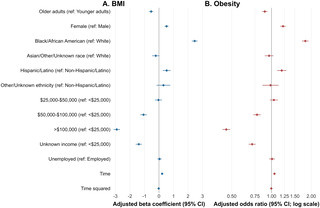
A study analyzed longitudinal data from the All of Us Research Program to assess changes in Body Mass Index (BMI) and obesity prevalence across pre-pandemic, pandemic peak, and peri-pandemic periods, highlighting disparities among different sociodemographic groups.
An analysis from the Framingham Heart Study indicates that cumulative cardiovascular health over decades is associated with significantly lower risks of heart disease, stroke, and…
The latest CDC Youth Risk Behavior Survey reveals positive trends in teen nutrition and physical activity, with increased fruit and vegetable consumption and sports participation…
A recent American Heart Association statement highlights shifting heart health risks among Hispanic adults in the U.S., indicating that these risks may emerge earlier than previou…
A recent study from Yale University examines the effectiveness of continuous glucose monitoring devices, traditionally used for diabetes management, in individuals with obesity, p…
A recent study published in Nature Medicine investigates various interventions that could potentially slow down aging by analyzing epigenetic biomarkers. Researchers found that a…
A recent study involving 5,520 adults aged 50 and older found that low vitamin D levels combined with high waist circumference significantly increase mortality risk. The research…
A recent study surveyed over 1,500 university students to explore the connection between cannabis use and diet quality. While initial findings suggested cannabis users reported po…
The article examines the emerging trend of AI health coaching, particularly the potential integration of Abbott's glucose monitoring technology. It highlights how continuous gluco…
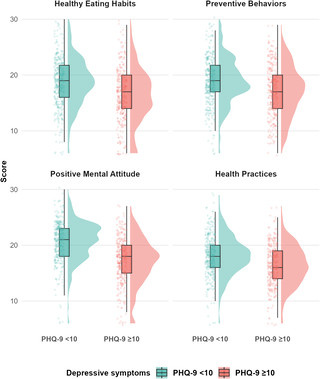
A recent study conducted among medical students and residents in Ecuador highlights the significant association between positive mental attitude (PMA) and lower levels of depressi…
Research led by Becca Levy at the Yale School of Public Health indicates that individuals with positive views of aging may live approximately 7.5 years longer than those with nega…
 Breathing.Food