Yale Study Evaluates Benefits of Continuous Glucose Monitoring Devices
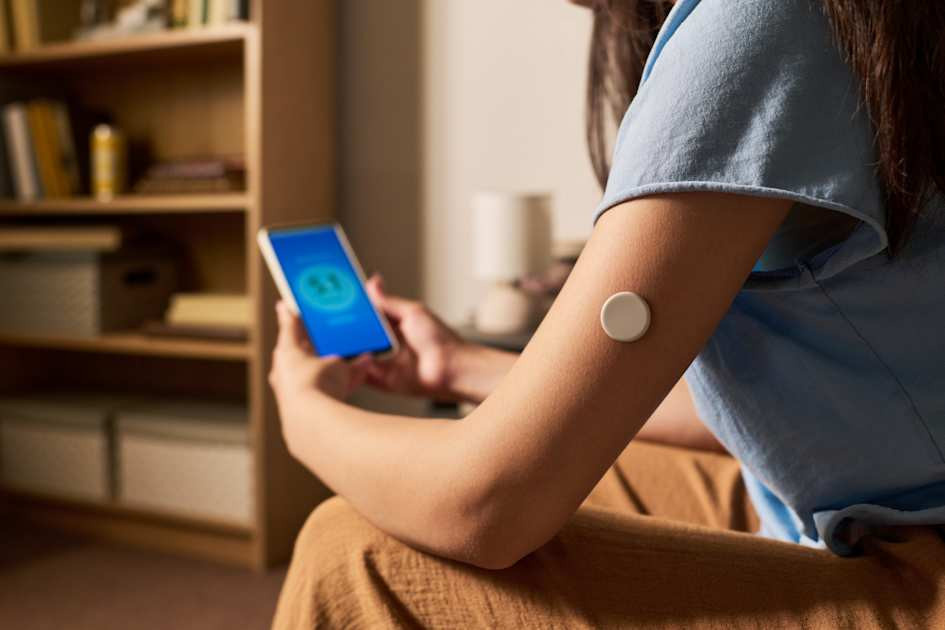
In 2024, continuous glucose monitoring devices became available for over-the-counter consumer use, expanding beyond their historical prescription for individuals with type 1 diabetes and, more recently, those with type 2 diabetes. These devices are now attracting interest from people with prediabetes, obesity, and even those without any diagnosed conditions who are curious about their health. A research team from Yale University sought to determine whether continuous glucose monitors (CGMs) are beneficial for everyone or primarily for those with diabetes.
The study, published in JAMA Internal Medicine and led by Dr. Kasia Lipska, reviewed various studies that assessed the use of CGMs in populations outside of type 1 diabetes. Dr. Lipska, an associate professor of medicine specializing in endocrinology and metabolism, noted the growing trend of individuals wanting to monitor their biometrics, including glucose levels. "The assumption seems to be that more information can make us healthy, but we wanted to take a closer look at the research," she explained.
For individuals with type 1 diabetes, insulin injections are crucial for utilizing glucose for energy and preventing dangerous complications from high blood sugar levels. Continuous glucose monitors, which are applied to the skin, measure glucose levels in the interstitial fluid, providing data that closely mirrors blood glucose levels and significantly reducing the need for finger-stick testing. Many devices allow users to view their glucose data in real-time on their mobile phones.
The research team analyzed pooled data from randomized trials conducted over the past 15 years, focusing on whether real-time access to glucose levels improved glycemic control and other health outcomes for users with type 2 diabetes, prediabetes, overweight, or obesity. The findings indicated that CGMs were particularly beneficial for those with type 2 diabetes, offering insights into glucose patterns and assisting in medication adjustments. Users with type 2 diabetes also experienced modest improvements in their hemoglobin A1c levels, which reflect average glucose levels over time. Dr. Justin Dower, a clinical fellow and the paper's first author, expressed his surprise at the consistent positive impact of CGMs on hemoglobin A1c levels, suggesting that these devices serve as effective feedback tools regarding the effects of food, medication, and exercise on blood sugar levels.
However, the study also highlighted potential downsides. Researchers found that the abundance of data provided by CGMs could overwhelm users and lead to anxiety. Dr. Lipska cautioned against becoming overly fixated on glucose spikes, emphasizing that these devices should be used to facilitate discussions with healthcare providers rather than dictate personal health behaviors. "They’re a tool, not a taskmaster," she stated.
Dr. Lipska also pointed out that there is currently limited research on the implications of glucose spikes in individuals without diabetes. While clinicians can adjust insulin or medication dosages based on CGM data for diabetic patients, there are no evidence-based recommendations for those without diabetes. Consequently, she does not advocate for the routine use of continuous glucose monitoring in this population, though she acknowledges that there may be exceptional cases where discussing their use with a doctor could be warranted.