Study Links Positive Mental Attitude to Reduced Depressive Symptoms in Medical Trainees
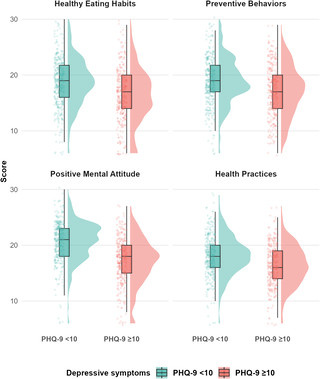
Depression is a prevalent issue among medical trainees, impacting their academic performance, empathy, and patient care. A recent cross-sectional study conducted in Ecuador explored the relationship between health behaviors, particularly positive mental attitude (PMA), and depressive symptoms among medical students and residents. The study surveyed 700 participants, revealing that 47.7% screened positive for clinically significant depressive symptoms using the Patient Health Questionnaire-9 (PHQ-9). The findings showed that higher total scores on the Health Behavior Inventory (HBI) were linked to lower odds of depressive symptoms, with PMA emerging as the most significant factor. Specifically, PMA was associated with a 21% reduction in the odds of experiencing depressive symptoms, highlighting its importance in fostering mental health among medical trainees. Other factors such as female gender, younger age, and presence of comorbidities were also correlated with increased depressive symptoms. This research underscores the relevance of cognitive-emotional orientations in behavioral medicine and suggests that integrating positive psychology approaches into medical training could support the mental well-being of future healthcare providers. The study was conducted in a private university in Ecuador, with data collected during a standard academic term to capture typical mental health patterns. Ethical approval was obtained, and the study adhered to the principles of the Declaration of Helsinki. The results indicate a pressing need for educational strategies that promote PMA and resilience among medical students to mitigate the risk of depression and enhance overall well-being in this high-stress environment.