AI Health Coaching: The Role of Abbott's Glucose Data in Personal Insights
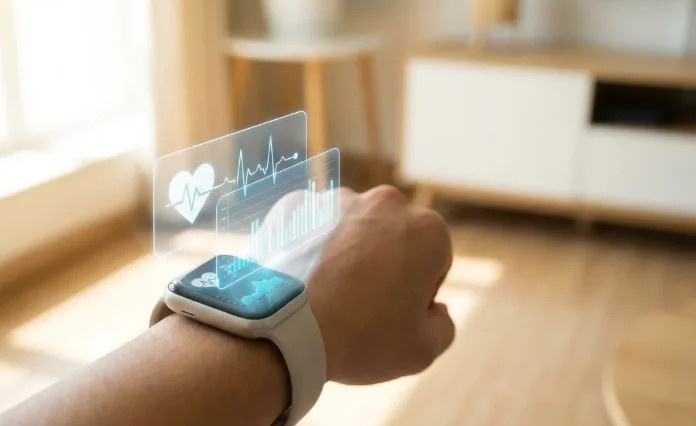
Artificial intelligence is transforming the way individuals access and utilize health information. With the advent of smartwatches and fitness trackers, users now have access to a wealth of data about their bodies. The challenge lies in effectively leveraging this data to receive tailored health advice. The concept of an AI health coach, such as a potential offering from Apple, fits within a broader trend of utilizing technology to enhance personal health management. By integrating data on glucose levels, physical activity, sleep, and dietary habits, users can gain valuable insights into their daily health behaviors.
Abbott has been at the forefront of this movement, developing devices that utilize glucose data to inform health decisions. Their biowearable technology, including the Lingo system, continuously monitors glucose levels and provides personalized recommendations. For instance, Abbott's Lingo tracks glucose levels in real-time and offers insights that help users understand how their diet and lifestyle choices affect their health.
However, it is essential to clarify that the narrative surrounding Apple's AI health coach is largely speculative. While the idea suggests a future where Apple may leverage Abbott's glucose data, there is currently no confirmed service from Apple that integrates such technology. The focus should remain on the advancements being made in AI and glucose monitoring rather than unverified claims about specific corporate collaborations.
Historically, healthcare has relied on periodic checkups and diagnostic tests. Digital health tools are shifting this paradigm, allowing for continuous monitoring of various health metrics such as heart rate, movement, sleep patterns, and glucose levels. This shift enables individuals to develop a more comprehensive understanding of their health over time.
AI health coaches can analyze extensive data sets more efficiently than humans, identifying trends and correlations that may not be immediately apparent. This capability opens the door to a more personalized health experience, where recommendations are tailored to individual health data rather than generic advice.
Glucose monitoring is particularly crucial, as it reflects how the body responds to food intake, exercise, stress, and sleep. Abbott's continuous glucose monitoring technology provides users with insights into their glucose levels throughout the day, enabling them to recognize patterns that are unique to their physiology. For example, users may discover that specific meals cause unexpected spikes in glucose levels or that their exercise routines influence their glucose responses.
The distinction between an AI health coach and a traditional health dashboard is significant. While a dashboard merely presents data, an AI health coach interprets that data, offering explanations and insights that enhance user understanding. By integrating glucose readings with information about diet, activity, and rest, an AI system can uncover connections that inform health decisions.
Despite the promise of AI in health coaching, challenges remain, particularly regarding information overload. Continuous glucose monitoring generates vast amounts of data daily, and many users may struggle to interpret this information effectively. An AI health coach could alleviate this burden by identifying patterns and presenting findings in an accessible manner, thus empowering users to make informed health choices.
Abbott's Lingo system exemplifies this approach, combining glucose monitoring with personalized coaching to help users understand the interplay between their glucose levels and daily activities. The Lingo biosensor continuously measures glucose in interstitial fluid, relaying data to a smartphone app that translates this information into actionable advice.
As digital health technology evolves, the integration of AI into health coaching is likely to become more prevalent. Future platforms may not only display glucose trends but also elucidate how various lifestyle factors influence metabolic health. By analyzing weeks or months of data, AI could reveal significant patterns that inform users about their health behaviors.
While AI health coaches hold promise, it is crucial to approach their development with caution, particularly regarding privacy and security of personal health information. Users must be informed about what data is collected, how it is processed, and whether it is shared with third parties. Trust in AI health coaches will hinge not only on their technological capabilities but also on the transparency and security measures surrounding user data.
In summary, the integration of AI in health coaching, particularly through the lens of Abbott's glucose monitoring technologies, represents a significant advancement in personalized health management. While the concept of an Apple AI health coach remains speculative, the ongoing developments in digital health technology underscore the potential for more tailored health insights in the future.














