A recent review published in Frontiers in Nutrition analyzed data from 52 observational studies, revealing that alcohol and sugar-sweetened beverages are associated with higher odds of gout and hyperuricemia. Conversely, coffee consumption appears to correlate with a lower risk…
High-fructose corn syrup (HFCS) has become a common ingredient in many processed foods, significantly altering the American diet. This article explores the origins of HFCS, its ec…
The dietary habits of the Knights Templar, as outlined in their monastic rules, emphasize cleanliness and moderation, particularly in meat consumption. Their diet, rich in vegetab…
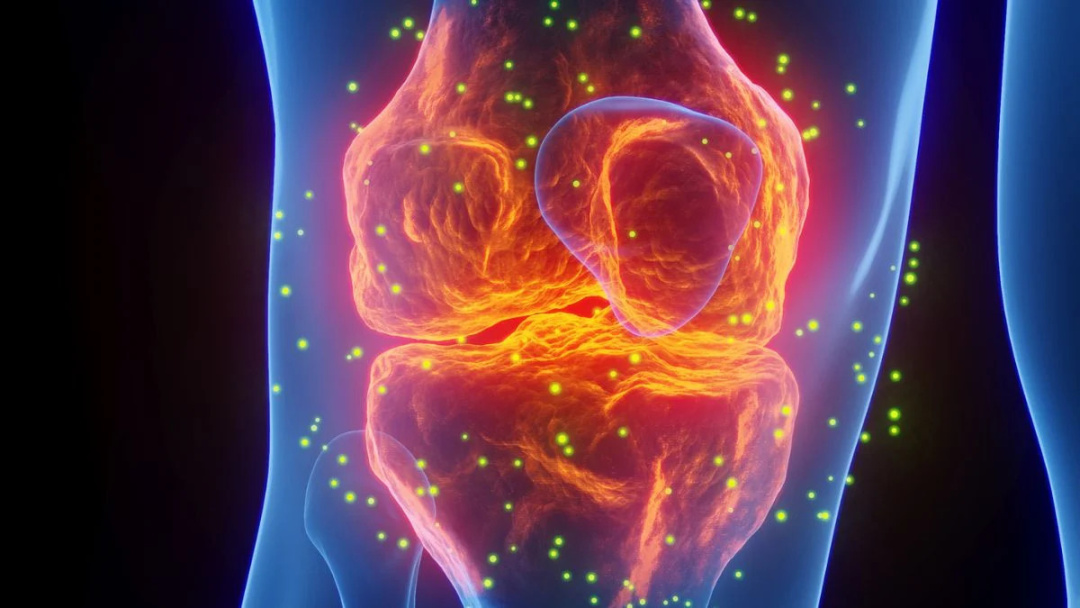
Gout, once considered a disease of the wealthy, is now surging among young men, with significant implications for their health. Research indicates a strong correlation between gou…
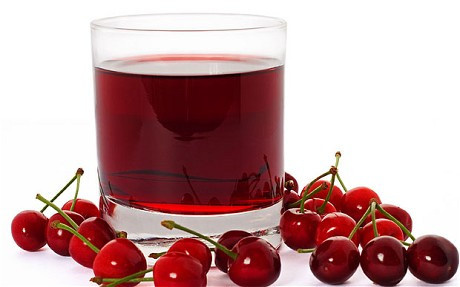
Recent research highlights the potential benefits of tart cherry juice for reducing inflammation and improving sleep quality. Rich in anthocyanins and polyphenols, this natural be…
A recent study has found an intriguing association between previous schistosome infection and a reduced risk of developing hyperuricemia, a condition characterized by elevated uri…
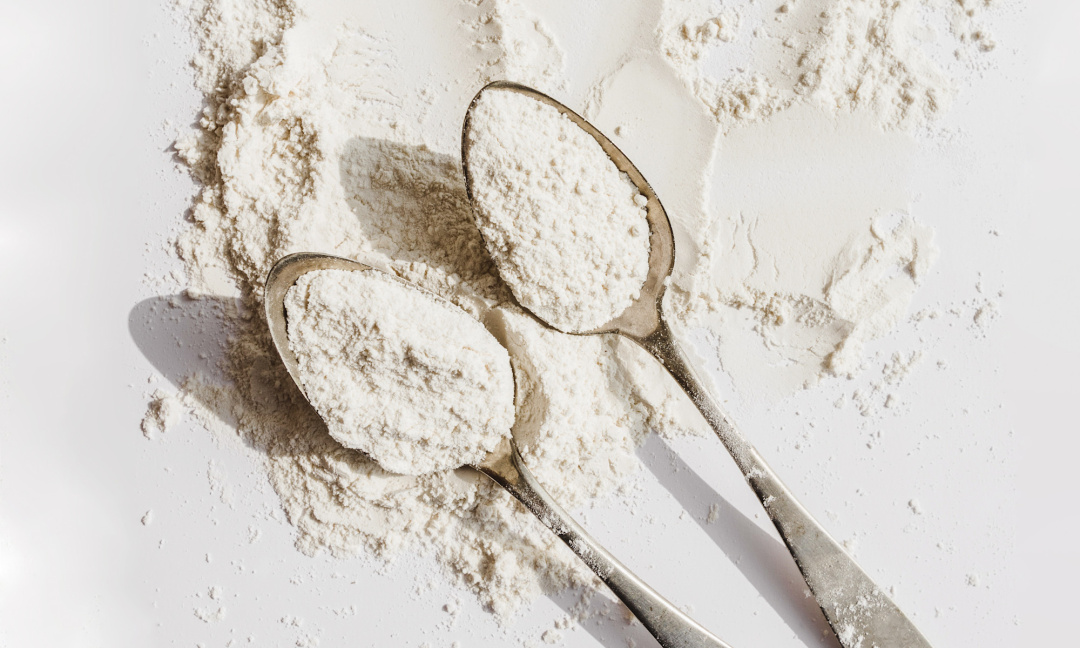
A recent study evaluated the effectiveness of pea protein versus whey protein in promoting muscle growth and metabolic health. Conducted with 20 healthy young adults, the research…
This article outlines a protocol for a systematic review and meta-analysis aimed at quantifying the prevalence of hyperuricemia and gout among individuals living with HIV. The stu…
A recent clinical trial explored the effects of hydrogen-rich water on adults with high uric acid levels, revealing significant reductions in uric acid after eight weeks of daily…
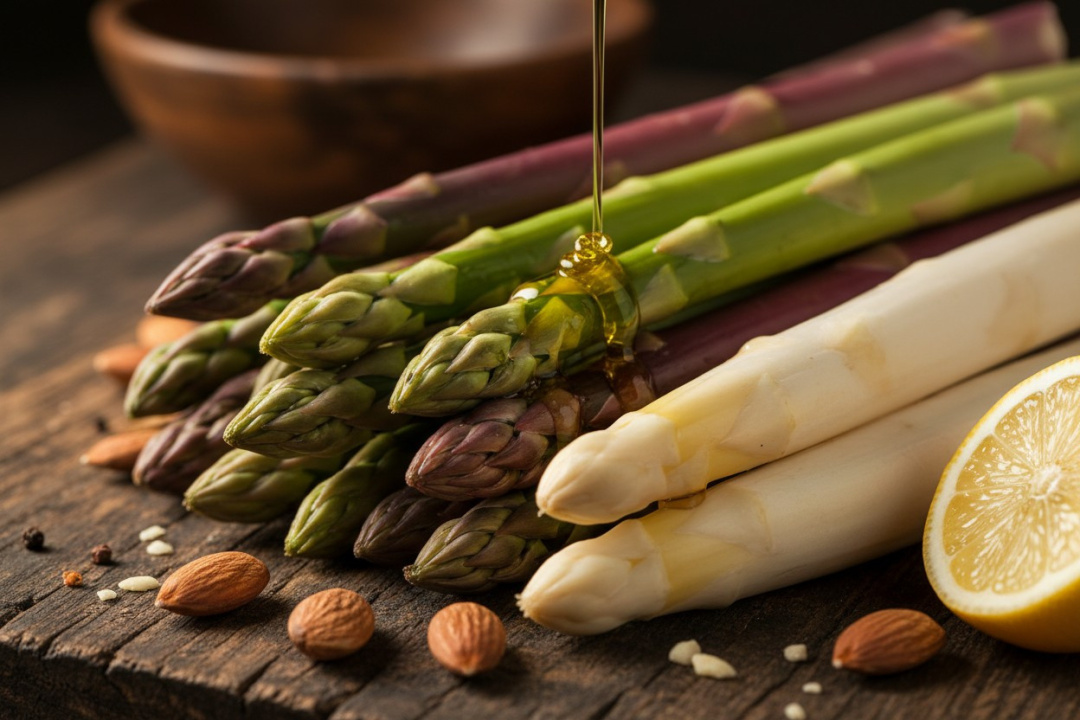
Asparagus, a low-calorie vegetable rich in fiber, folate, and antioxidants, has been recognized for its health benefits and historical significance as a wartime staple. Recent dis…

 Breathing.Food