Knights Templar Diet: Insights into Health and Longevity
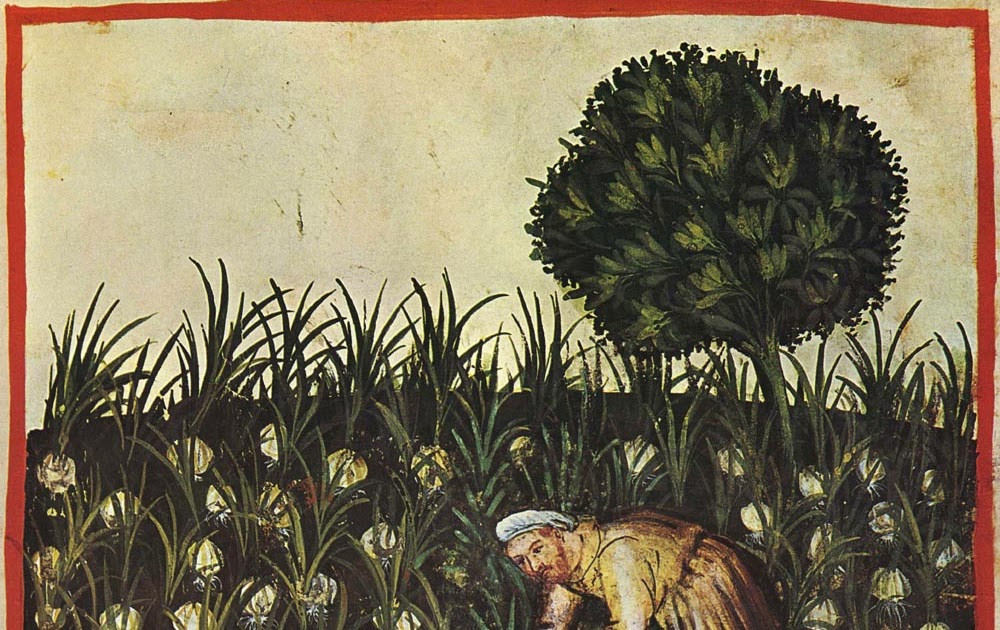
The Ordo militiae Templi, known as the Templar Rule, regarded cleanliness as a vital aspect of their monastic discipline. Members of the Knights Templar practiced rigorous hygiene, washing their hands before meals and prayers, with those engaged in manual labor exempt from handling food. The dining areas were meticulously maintained, reflecting a level of order that was uncommon in a time when even the elite rarely lived past 60 years of age.
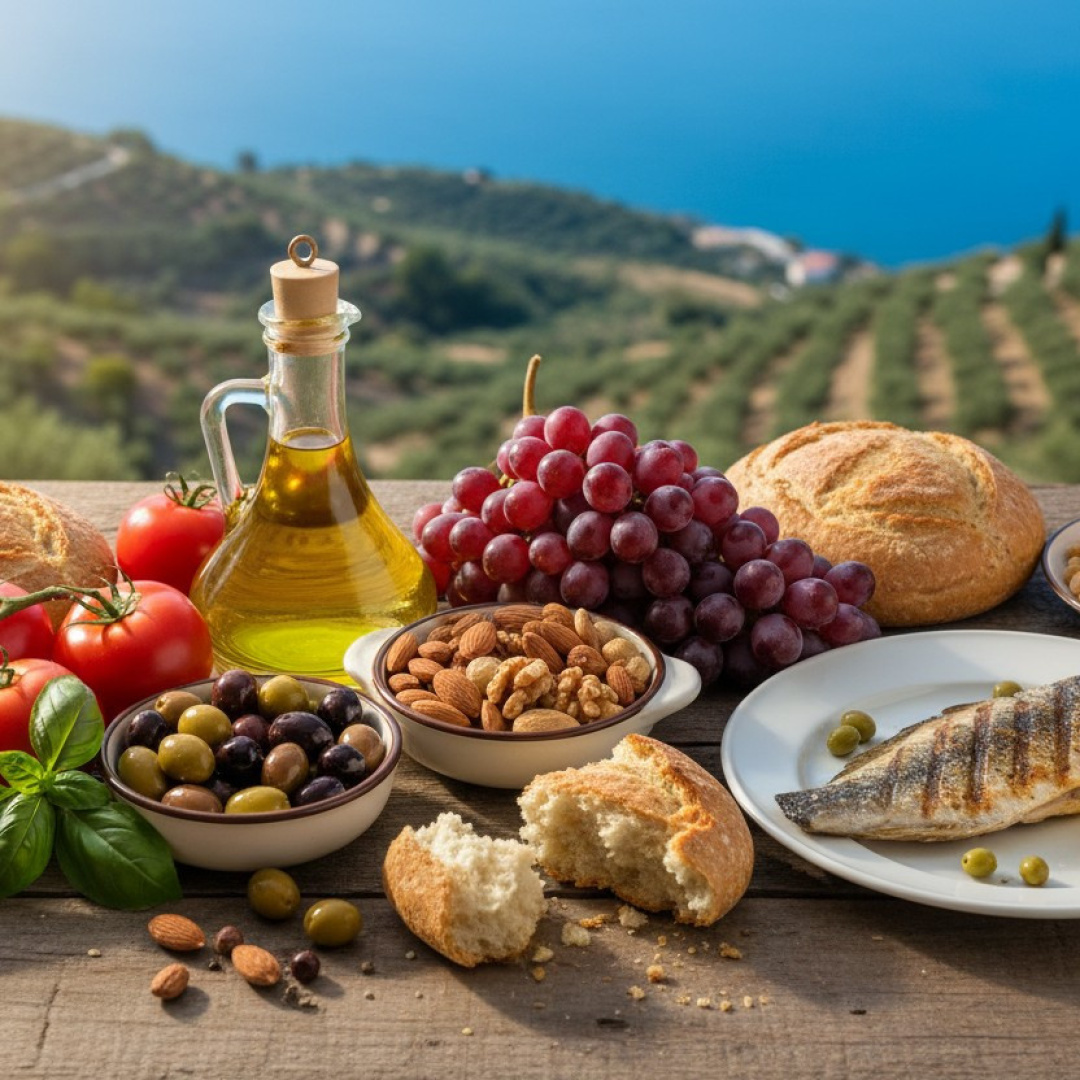
The Templar diet was notably regulated, featuring meat only three days a week in modest portions. This restraint stemmed from the belief that excessive meat consumption led to physical corruption. On the days designated for meat, meals typically included two or three vegetable dishes. Instead of local sourcing, livestock and seeds were imported from Europe, and hunting was prohibited. Seafood was favored, and staples included cheese, olive oil, fresh fruits, and legumes like lentils and beans, creating a dietary pattern strikingly similar to what is now recognized as the Mediterranean diet.
Recent scientific reviews support the Templar's dietary choices. A 2025 study highlighted the benefits of olive oil, noting that its monounsaturated fats and polyphenols, such as hydroxytyrosol, help lower inflammation and cardiovascular risks—elements central to the Templar diet. In contrast, research on skeletons from London monastic sites revealed that monks consuming richer, meat-heavy diets experienced obesity-related joint diseases at rates significantly higher than their secular peers. This underscores the Templar's unusual dietary restraint during an era marked by high incidences of gout and obesity among the wealthy.
Further demographic studies indicate that European nobles, including knights, had a life expectancy approximately four years longer than their untitled contemporaries, suggesting a potential correlation with the disciplined dietary practices outlined in the Templar Rule.
In terms of beverages, Templars consumed wine in moderation, often diluted with aloe pulp, which was valued for its antiseptic and medicinal properties. This practice reflects a blend of monastic humility and practical medicine, illustrating how the Templar diet exemplified a rare medieval instance where austerity and longevity coexisted. The insights gained from the dietary habits of the Knights Templar not only provide a glimpse into their daily lives but also offer valuable lessons on the potential health benefits of moderation and a plant-based diet.