Study Compares Pea Protein and Whey Protein for Muscle Growth and Metabolic Health
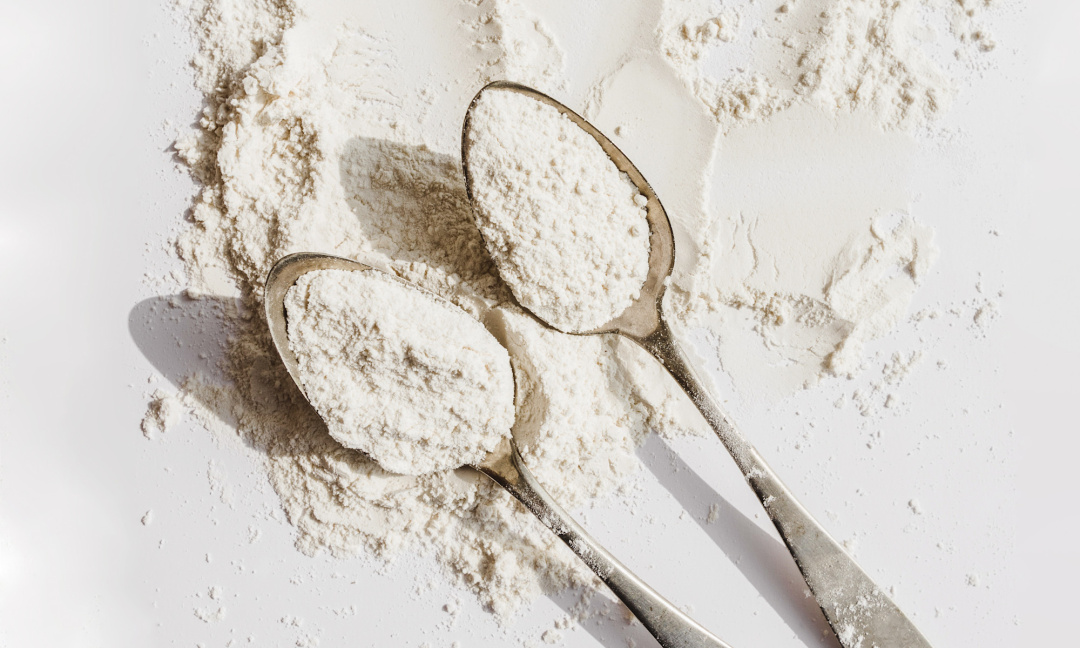
In a recent study, researchers in Germany investigated the effectiveness of pea protein compared to whey protein in promoting muscle growth and metabolic health. Historically, pea protein has been viewed as a less effective alternative to whey, primarily due to concerns regarding its amino acid profile and digestibility. The study involved 20 healthy young adults who participated in a randomized crossover trial, where they consumed three forms of pea protein—concentrate, isolate, and extrudate—alongside whey protein. The researchers tracked various markers, including amino acid levels in the blood, blood sugar, insulin response, and participants' feelings of fullness after consumption.
The findings revealed that pea protein holds its own in certain areas, such as satiety and blood sugar management, but whey protein still has a distinct advantage when it comes to muscle repair and growth. Whey protein delivers a rapid and substantial influx of essential amino acids into the bloodstream, which is crucial for muscle recovery and development. This characteristic has made whey the gold standard in sports nutrition.
Notably, the study also observed that pea protein raised uric acid levels in the blood, while whey protein lowered them. Uric acid is a byproduct of purine metabolism, commonly found in legumes and other foods. Elevated uric acid levels can be linked to gout, a type of inflammatory arthritis. Although the increase in uric acid after consuming pea protein was acute, the long-term effects of regular consumption remain unclear. Observational studies on legumes and uric acid show mixed results, with some indicating a slight increase in risk and others suggesting no significant association or even a protective effect.
For most individuals, the rise in uric acid from pea protein consumption is unlikely to pose a significant risk. However, those with a history of gout or elevated uric acid levels should consult with a healthcare professional before incorporating pea protein into their daily diet.
The study concludes that while whey protein remains the preferred choice for those focused on muscle building, pea protein can still be a valuable option for individuals who are dairy-free or prefer plant-based proteins. When selecting pea protein, consumers may encounter various forms, including concentrate, isolate, and extrudate, each offering different benefits and applications in food products. Overall, this research provides important insights into the comparative effects of these protein sources on metabolic health and muscle growth, highlighting the need for individuals to consider their specific dietary needs and health conditions when choosing protein supplements.














