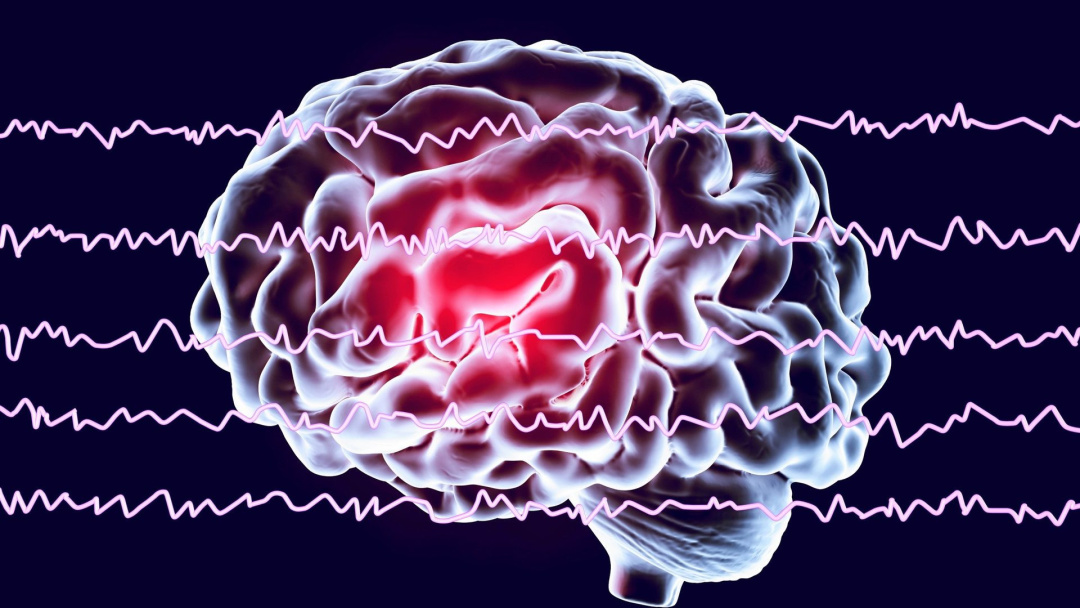
Researchers from Tohoku University have uncovered a paradox regarding energy use in the brain during REM sleep, where increased blood supply does not correspond with rising levels of ATP, the energy molecule used by neurons. This finding sheds light on the brain's complex energy…
Researchers at the University of South Carolina have developed a drug that transforms astrocytes into neurons, demonstrating potential to reverse Alzheimer's symptoms in mice. Thi…
Researchers have developed a nanoparticle treatment that encourages the generation of new brain cells, successfully reversing cognitive decline in an animal model of Alzheimer's d…
New research from Gladstone Institutes reveals that the APOE4 gene, a major risk factor for Alzheimer's disease, may alter brain activity long before memory issues arise. The stud…
A recent study investigates the potential of propranolol to improve cognitive function and facilitate recovery of the glymphatic system following traumatic brain injury (TBI). The…
A new study from Tohoku University reveals that during REM sleep, while blood flow in the brain increases, the energy levels in neurons actually drop. This paradox highlights the…
Researchers at UC San Diego have mapped significant cell changes in the aging human hippocampus, revealing a shift in immune cell types and structural erosion that could impact le…
As we age, our brains undergo significant changes that can affect cognitive health. Understanding these changes helps us adopt lifestyle habits that support brain function. Regula…
 Breathing.Food