New Drug Converts Astrocytes to Neurons, Showing Promise in Reversing Alzheimer's in Mice
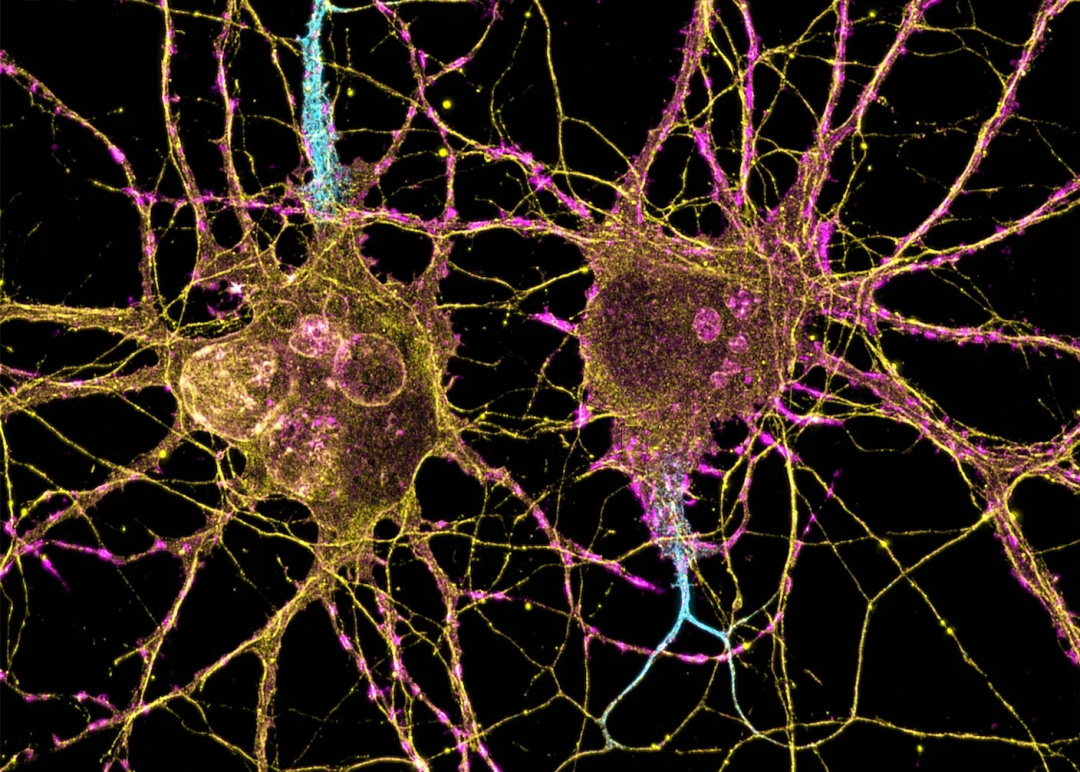
A groundbreaking study from the University of South Carolina has revealed a new drug that transforms astrocytes, star-shaped cells in the brain, into neurons. This transformation could offer a novel approach to treating Alzheimer's disease, which affects millions worldwide. The adult brain typically has a limited capacity to regenerate neurons, leading to cognitive decline as neurons die off due to the disease. However, astrocytes have the potential to be reprogrammed to replace lost neurons.
In this study, researchers engineered a molecular cage filled with antibodies that, when injected, released a protein that normally stabilizes astrocyte identity. By removing this constraint, the astrocytes began to adopt the characteristics of neurons, including electrical activity. In lab tests, the drug, named TN-PTBP1, was shown to increase neuron counts in the hippocampus, a critical area for memory and learning, in mice modeling Alzheimer's.
The treated mice exhibited significant behavioral improvements, performing similarly to healthy mice in memory tests. This suggests that the drug not only increased neuron numbers but also restored some cognitive functions. The study highlights the potential of this approach to unlock regenerative mechanisms that could be beneficial in treating not only Alzheimer's but also other neurodegenerative diseases like Parkinson's and ALS.
Current treatments for Alzheimer's have limited efficacy, often only providing modest cognitive benefits while carrying risks of serious side effects. The new drug's ability to increase neuron density and reduce inflammation and toxic protein clumps in the brain represents a significant advancement in Alzheimer's research.
Despite these promising results, the path to clinical application remains challenging. Many treatments that show promise in animal models do not translate to human subjects. The researchers plan to conduct further studies, including tests in monkeys, to refine the dosage and evaluate long-term safety. The implications of forcing astrocytes to change their identity also warrant careful consideration, as unexpected consequences could arise.
Overall, this research provides hope for new therapeutic strategies in the fight against Alzheimer's disease, emphasizing the need for rigorous testing to ensure safety and efficacy before potential clinical use.