Propranolol's Role in Enhancing Cognitive Function and Glymphatic Recovery Post-TBI
Traumatic brain injury (TBI) often leads to cognitive impairment, with no effective treatments currently available. A recent study explored the potential of propranolol, a beta-blocker, to enhance cognitive function and promote glymphatic system recovery in a rat model of TBI. The glymphatic system is crucial for clearing metabolic waste from the brain, and its impairment is linked to neurological disorders following TBI. The researchers hypothesized that propranolol could restore glymphatic function and improve cognitive outcomes by modulating the STAT3/MMP2 signaling pathway.
In the study, male Sprague-Dawley rats underwent controlled cortical impact (CCI) to induce TBI. They were then treated with propranolol, an inhibitor of STAT3 (S31-201), or an inhibitor of MMP2 (SB-3CT). Cognitive performance was assessed through various tests, including the novel object recognition test for short-term memory, the odor preference test for long-term memory, and the Morris water maze for spatial learning and memory.
Results indicated that propranolol, along with S31-201 and SB-3CT, significantly improved cognitive function compared to untreated TBI rats, although none of the treatments fully restored cognitive abilities to normal levels. Notably, propranolol treatment was associated with reduced accumulation of phosphorylated tau (p-tau) and amyloid-beta (Aβ) in the brain, both of which are implicated in cognitive decline. Additionally, the integrity of white matter was found to be restored in treated rats, suggesting that propranolol may also support structural recovery in the brain.
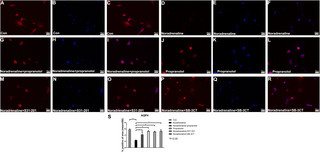
The study further examined the expression of aquaporin 4 (AQP4), a protein essential for glymphatic function, and found that propranolol treatment led to increased AQP4 expression in astrocytes and blood vessels. This suggests that propranolol may enhance glymphatic clearance mechanisms, contributing to improved cognitive outcomes.
In conclusion, the findings suggest that propranolol has the potential to improve cognitive function and facilitate recovery of the glymphatic system following TBI through the STAT3/MMP2 pathway. However, further research is needed to fully understand the mechanisms involved and to explore the therapeutic implications for human patients suffering from cognitive impairment after TBI.