Study Reveals Energy Paradox in the Brain During REM Sleep
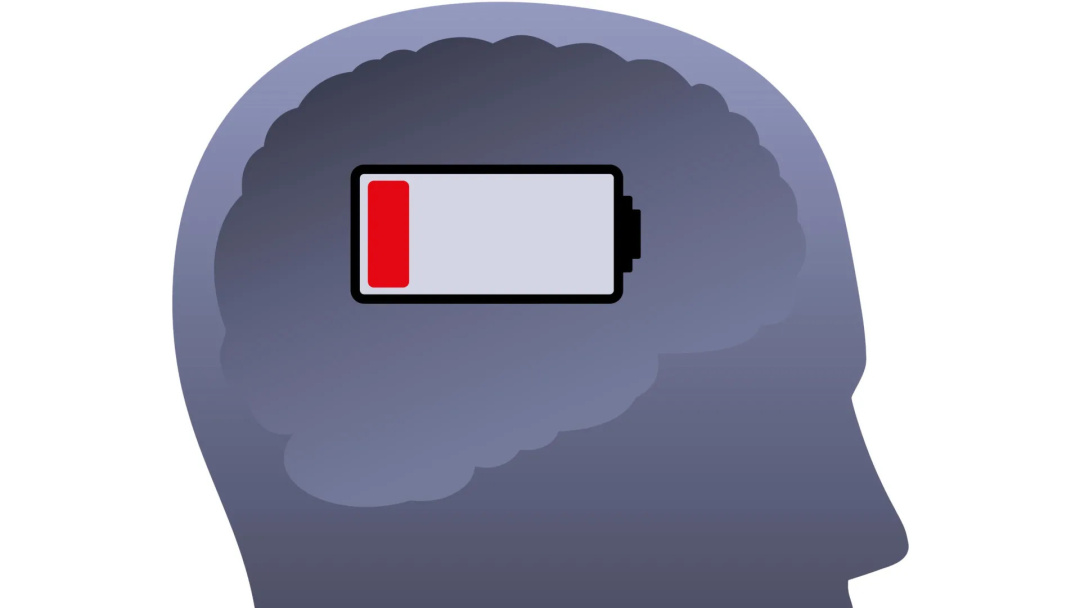
The brain is known for its high energy consumption compared to other organs, and it can adapt its energy usage when resources are limited. A recent study by researchers at Tohoku University has revealed a surprising paradox regarding energy dynamics in the brain during rapid eye movement (REM) sleep, a stage closely associated with dreaming and memory processing. This phenomenon is often referred to as 'paradoxical sleep' due to the brain's active state while the body remains largely still.
The study, published in Communications Biology, indicates that while the energy supply to the brain appears to increase during REM sleep, the levels of ATP, the primary energy molecule utilized by neurons, actually decline. Professor Ko Matsui, a lead researcher, highlights the intriguing nature of this paradox, noting that despite the brain's apparent activity during vivid dreaming, it may experience a drain on its energy reserves.
To explore these dynamics, the researchers employed a technique that made the skulls of mice transparent, allowing them to observe brain activity during natural sleep. They utilized wide-field fluorescence imaging to monitor changes in brain blood volume as a proxy for energy supply and measured neuronal ATP levels alongside astrocytic pyruvate, a compound that plays a crucial role in linking glucose from the blood to energy metabolism in the brain.
The study found that as the brain transitioned from non-REM to REM sleep, blood volume began to increase approximately 50 seconds prior to the onset of REM sleep. This increase originated in the posterior cortex and spread forward, suggesting a preparatory metabolic process for the brain as it entered REM sleep. During this time, astrocytic pyruvate levels rose, indicating either greater availability of metabolic fuel or increased activity in astrocytes, which support neuronal function.
However, this increase in blood supply and astrocytic activity coincided with a decrease in neuronal ATP levels. Several hypotheses may explain this decline: neurons might expend significant amounts of ATP during REM sleep to facilitate memory-related synaptic changes, or there could be shifts in how metabolic resources are transferred from astrocytes to neurons. Additionally, mitochondrial ATP production may vary during REM sleep.
These findings suggest that the dreaming brain operates under heightened energy demands, even as its fuel supply increases. The implications of this research extend beyond sleep, offering insights into the brain's overall energy economy. Unlike conventional computers that operate with a consistent energy supply, biological brains must navigate strict metabolic limits, reallocating energy resources based on behavioral states and cognitive demands.
Lead investigator Yusuke Takahashi emphasizes that understanding how the brain balances energy supply and consumption could illuminate the efficiency of biological intelligence. The study adds to the growing body of evidence highlighting the critical role of sleep in memory consolidation and mental performance, underscoring the importance of REM sleep not just for physical rest but for cognitive health as well.