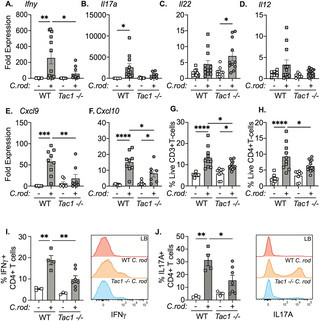
A recent study investigates the impact of the Tac1 gene on the immune response to the enteric bacterial pathogen Citrobacter rodentium. Mice lacking the Tac1 gene exhibited reduced bacterial burden and inflammation, suggesting that Tac1-derived neuropeptides may play a complex r…
A recent study published in Science highlights significant biological changes in the brain between the ages of 50 and 75, suggesting a decline in certain immune cells and alterati…
A recent study highlights the association between long-term exposure to the pesticide chlorpyrifos and a more than 2.5-fold increased risk of developing Parkinson’s disease. This…
Researchers at University College London have discovered a biological mechanism that aids in shutting down inflammation, which could lead to new treatments for chronic inflammator…
A recent study published in Nature Communications uncovers significant immune activity changes in fatal asthma cases, suggesting that the immune response may extend beyond the lun…
A recent study from Stanford University has found that blocking a specific immune signal can reverse signs of aging in mice. The research highlights the role of neutrophils, a typ…
A recent study published in Atherosclerosis suggests that xanthelasma, yellow patches around the eyes, may indicate a higher risk of heart attacks and strokes. Researchers analyze…
Nutritionists emphasize that whole-food carbohydrates, such as sweet potatoes, legumes, and buckwheat, can reduce inflammation, challenging the notion that all carbs are inflammat…
A collaborative study involving researchers from multiple universities has found that dietary supplements derived from sea squirts, which contain plasmalogens, may reverse several…
A recent study published in Food Research International has found that xanthan gum, a common food additive, may contribute to mild colon inflammation in rats. The research highlig…
A recent study from Harvard Medical School reveals that immune activity in skull bone marrow may be linked to chronic pain. Researchers found elevated levels of a protein associat…
Researchers at UCLA have found that creatine may play a significant role beyond enhancing muscle performance; it appears to support immune cells that are crucial in the body's def…
A groundbreaking study uncovers that the immune system experiences accelerated aging around ages 40 and 60, with significant implications based on gender, compelling women to now…
 Breathing.Food