Study Reveals Tac1 Gene's Role in Immune Response to Enteric Bacterial Infection
Infection with enteric bacterial pathogens remains a significant cause of illness and death globally. Effective management of these infections relies on coordinated immune responses, which are influenced by communication between the nervous and immune systems. Sensory neurons are known to detect inflammatory or microbial stimuli in various organ systems, including the gastrointestinal (GI) tract, and they play a crucial role in activating specific immune cells. The Tac1 gene, which encodes several neuropeptides, including substance P (SP), is central to this neuroimmune interaction, yet its precise role during intestinal bacterial infections has not been fully elucidated.
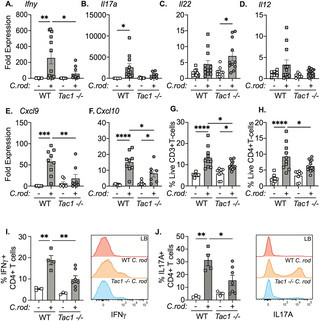
A recent study aimed to clarify the function of Tac1-encoded sensory neurotransmitters in the immune response to the bacterial pathogen Citrobacter rodentium. Researchers compared Tac1-deficient (Tac1-/-) mice with wild-type (WT) mice to assess differences in infection outcomes. The findings revealed that Tac1-/- mice had significantly lower levels of pathogen shedding and colonic bacterial burden. This was accompanied by a notable reduction in the expression of inflammatory cytokines and chemokines compared to their WT counterparts. Furthermore, the study observed decreased recruitment of immune cells, including neutrophils and T-cells, to the colon in Tac1-/- mice, correlating with reduced colonic histopathology.
These results indicate that sensory neuropeptides encoded by Tac1 are not merely facilitators of antibacterial immunity but may also exacerbate inflammation without enhancing pathogen control. The study highlights the complexity of immune signaling in the GI tract, where the interplay between the nervous system and immune response is crucial for maintaining health during infections. The authors suggest that targeting the Tac1 pathway could offer new therapeutic avenues for managing enteric diseases.
The study was conducted by a team from the University of California, Davis, and was published in PLOS Pathogens. It underscores the importance of understanding the multifaceted roles of neuropeptides in immune regulation, particularly in the context of enteric infections. The findings could potentially inform future strategies for treating intestinal diseases by selectively modulating neuroimmune interactions.














