Study Links Xanthan Gum to Mild Colon Inflammation in Rats
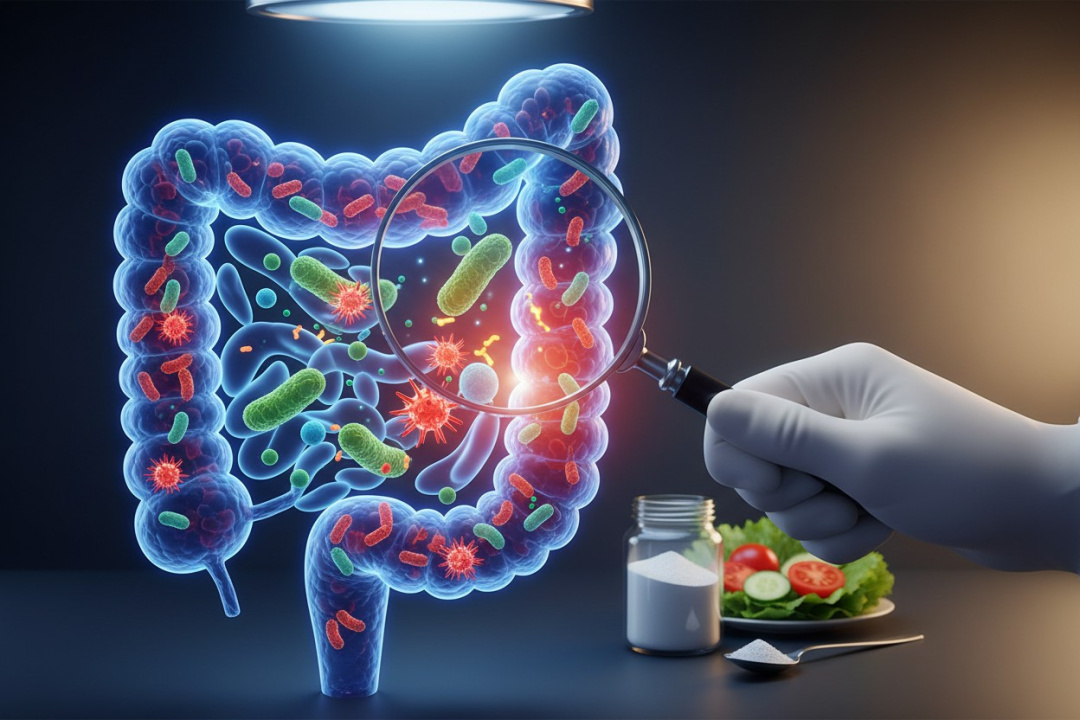
A new study published in Food Research International has examined the impact of xanthan gum, a widely used food additive, on gut health in rats. This research followed adult rats over a 10-week period and revealed that the consumption of xanthan gum was linked to mild colon inflammation, increased inflammatory markers, and alterations in proteins that regulate the intestinal barrier. These findings contribute to the ongoing scientific discussion regarding the interactions between food additives and the gut microbiome.
Xanthan gum is commonly utilized as a thickener and stabilizer in various processed foods, appearing in products such as gluten-free bread, plant-based milk, protein powders, salad dressings, and ice cream. Its effectiveness and low cost have made it one of the most prevalent food additives in the modern food supply.
In the study, researchers administered three different doses of xanthan gum to adult rats for 10 weeks, subsequently analyzing their colon tissue, inflammatory markers, gut barrier proteins, and gut microbiome. The results indicated a significant infiltration of lymphocytes, immune cells that play a role in inflammatory responses, across all tested doses. Additionally, elevated levels of inflammatory cytokines, including TNF-α and IL-1β, were recorded.
Changes were also noted in proteins that are crucial for maintaining the intestinal barrier. Notably, the protein Claudin-2 was found to be elevated following xanthan gum consumption. Previous research has associated higher levels of Claudin-2 with increased intestinal permeability, suggesting that the gut barrier may become less selective about what substances can pass through it. While the overall diversity of the gut microbiome remained relatively stable, an increase in a specific group of bacteria was observed at the highest dose of xanthan gum.
The researchers concluded that chronic intake of xanthan gum could promote mild colon inflammation, alter aspects of the gut microbiome, and affect markers involved in maintaining the intestinal barrier. Despite the FDA and other regulatory agencies deeming xanthan gum safe at typical consumption levels, these new animal data raise important questions about the potential long-term effects of chronic exposure, especially as food additives become increasingly prevalent in many diets.
Experts caution that findings from animal studies do not directly translate to human health outcomes. The study does not establish that xanthan gum is harmful to humans, but it does prompt further inquiry into the long-term effects of such additives. Health officials emphasize the importance of distinguishing between whole foods and their heavily processed counterparts when evaluating diet-related disease risks.
Registered dietitians recommend focusing on overall dietary patterns rather than fixating on individual additives. The findings reflect a growing trend among researchers who are exploring how the ingredients in modern packaged foods interact with the gut microbiome and intestinal lining. Incorporating fermented foods can help diversify beneficial gut microbes, while a diet rich in fiber, omega-3 fats, regular exercise, quality sleep, and stress management are all essential for maintaining gut health.
The study does not assert that xanthan gum is detrimental to human health, but it highlights the need for caution regarding long-term exposure. For most individuals, eliminating xanthan gum from their diets may not be necessary. Nutritionists suggest that occasional consumption of xanthan gum in processed foods is unlikely to pose a significant risk, but further research is warranted to clarify its effects on the human gut microbiome. Prioritizing fiber-rich whole foods and fermented options is recommended for optimal gut health, as diets abundant in fiber from fruits, vegetables, beans, whole grains, nuts, and seeds consistently support a healthier gut microbiome.