Study Links Skull Bone Marrow Activity to Chronic Pain Conditions
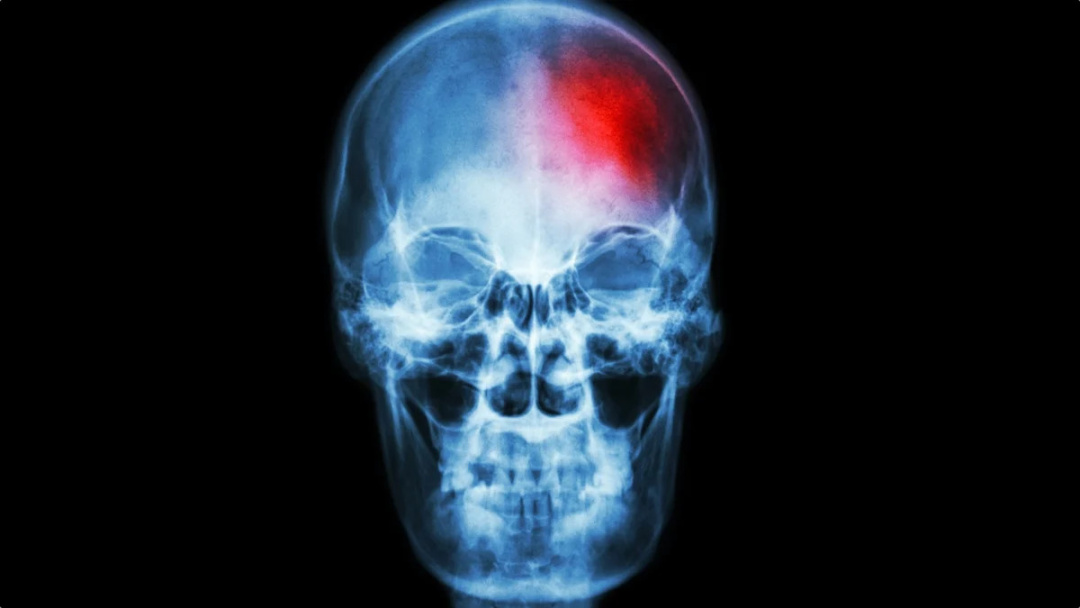
For many years, the prevailing belief among scientists was that immune cells produced in bone marrow traveled to the brain in response to injury or infection. However, a significant discovery in 2018 revealed that the skull contains hidden channels connecting its bone marrow to the brain's protective lining, indicating that the skull has its own emergency pathways for immune responses. Recent findings have further illuminated the relationship between skull bone marrow and chronic pain, as detailed in a study published in Science Translational Medicine by researchers at Harvard Medical School.
The study builds on earlier work from the same research team, which identified elevated levels of a protein called translocator protein (TSPO) near the skull bone marrow in individuals experiencing migraines with visual aura. TSPO is prevalent in bone marrow immune cells, leading researchers to hypothesize that immune responses originating from the skull bone marrow could be involved in migraine occurrences. The implications of this research extend beyond migraines, as similar patterns have been observed in neurodegenerative and psychiatric conditions, including Alzheimer's disease, stroke, depression, and autism. The researchers, led by clinical imaging scientist Mehrbod Mohammadian, suggest that the activation of skull marrow may represent a broader neuroimmune response common to various neuroinflammatory disorders.
In their investigation, the researchers analyzed PET and MRI brain scans of 125 adults suffering from chronic pain, specifically focusing on 88 individuals with chronic back pain and 37 with knee osteoarthritis. These scans were compared to those of 22 healthy participants serving as a control group. The results indicated that individuals with chronic pain exhibited significantly higher levels of TSPO across extensive areas of the skull compared to the healthy controls, particularly in the frontal and parietal regions. Notably, those with knee pain displayed the most pronounced TSPO signals.
The study also found that higher TSPO levels correlated with increased pain intensity and interference in daily life, as reported by participants in questionnaires. Additional analyses revealed connections between TSPO levels and indicators of anxiety, depression, and overall pain burden. To complement the brain scan findings, the researchers examined skull tissue from two deceased men, both aged 62, one with a history of chronic pain and the other without. The analysis showed that the skull bone marrow from the man with chronic pain contained over double the total cell count compared to the control (3,826 cells versus 1,616 cells), with a higher percentage of TSPO-positive cells (82% compared to 55%).
While the post-mortem results are preliminary, they, along with the correlations observed in brain imaging, suggest a link between immune activity in skull bone marrow and chronic pain. The researchers emphasize the need for further investigation into this previously overlooked structure, which could lead to new therapeutic approaches targeting or stimulating the skull bone marrow to alleviate pain. The cellular mechanisms underlying this pain association remain unclear, but the researchers propose that neuroimmune interactions between the skull and brain may play a role. They note that immune signals from the brain could activate skull bone marrow immune cells, potentially leading to neuroinflammation.
As the study is observational, it does not definitively establish whether skull bone marrow activity contributes to chronic pain or if chronic pain influences this activity. Nonetheless, the findings underscore the complexity of chronic pain mechanisms and the importance of continued research in this area. The study's results were published in Science Translational Medicine, highlighting a promising direction for future investigations into chronic pain management.