New Research Reveals Brain Changes Between Ages 50 and 75
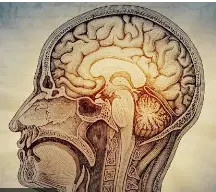
A recent study published in the journal Science has shed light on the significant biological changes that occur in the human brain between the ages of 50 and 75. These changes, which include a decline in certain immune cells and alterations in the brain's protective barrier, have important implications for cognitive health and the aging process. The research indicates that deep within the brain, some immune cells that have been present since early development begin to decline, being replaced by cells with stronger inflammatory characteristics. This shift raises concerns about the brain's vulnerability as it ages, particularly in relation to neurodegenerative diseases such as Alzheimer's. While it is common for individuals to experience occasional forgetfulness as they age, the study suggests that these changes may indicate a more profound transformation occurring in the brain long before most people consider themselves elderly. In many cultures, including Nigeria, turning 50 is often seen as a time of peak responsibility, with many individuals managing careers, supporting children, and caring for aging parents. However, the underlying biological changes in the brain may signal a need for greater attention to cognitive health. The study highlights the role of microglia, specialized cells that protect nerve cells and maintain a healthy internal environment in the brain. Researchers found that between the ages of 50 and 75, the population of microglia originating during embryonic development declines sharply, while cells resembling immune cells in the bloodstream become more prominent. This shift raises questions about whether the changing immune environment contributes to chronic inflammation, making the aging brain more susceptible to damage. Importantly, the study does not suggest that everyone over 50 will develop dementia or that these cellular changes automatically lead to Alzheimer's disease. Rather, it provides a possible explanation for how the aging brain may become more vulnerable to damage. The researchers emphasize that while some forgetfulness is a normal part of aging, persistent or worsening memory problems warrant medical attention. The study also observed a significant decline in cell populations involved in maintaining the blood-brain barrier, a protective filter that regulates the movement of substances into the brain. Changes in these supporting cells may affect the barrier's functionality, which is particularly relevant for older adults who may be dealing with chronic health conditions such as hypertension and diabetes. However, the study did not explore how these conditions influence the specific cellular changes observed. Nathan Zemke, Director of Single-cell Genomics at the Center for Epigenomics at the University of California, San Diego, described the study as a crucial step toward understanding how aging reshapes the human genome in brain cells. While the research identifies biological changes, it does not establish a treatment or suggest that lifestyle changes can reverse the observed alterations. For middle-aged and older adults, the findings underscore the importance of maintaining good health as they age, including monitoring blood pressure, blood sugar, and engaging in regular physical activity. While the study does not provide definitive answers on how to protect the brain, it encourages individuals to be proactive about their cognitive health and to seek medical assessments for significant changes in memory or behavior. As scientists continue to unravel the complexities of brain aging, it is essential to recognize that protecting brain health should be a priority, rather than a conversation that begins only after memory problems arise.