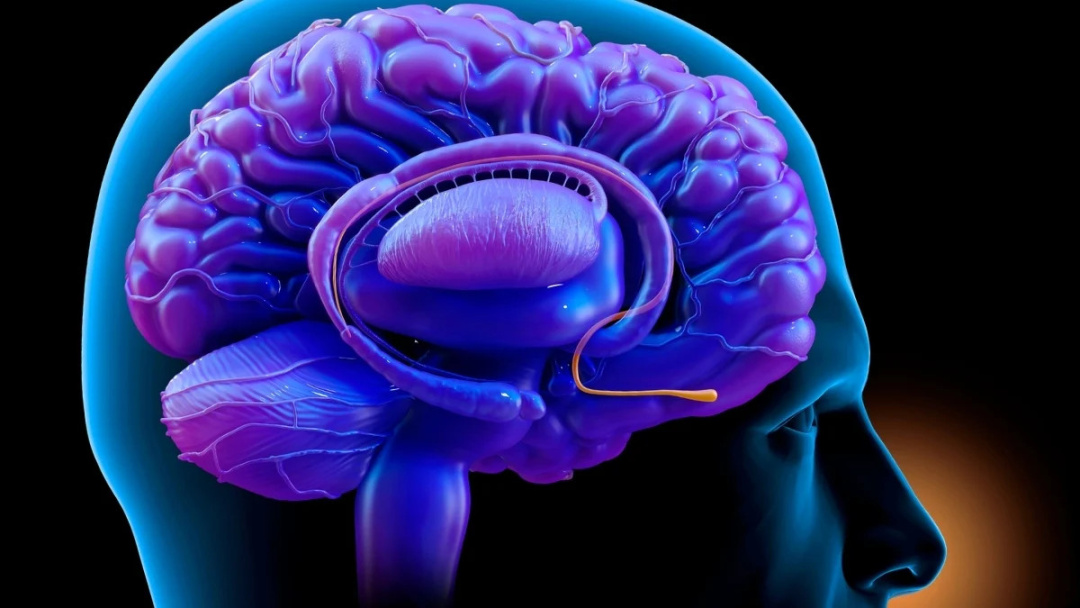
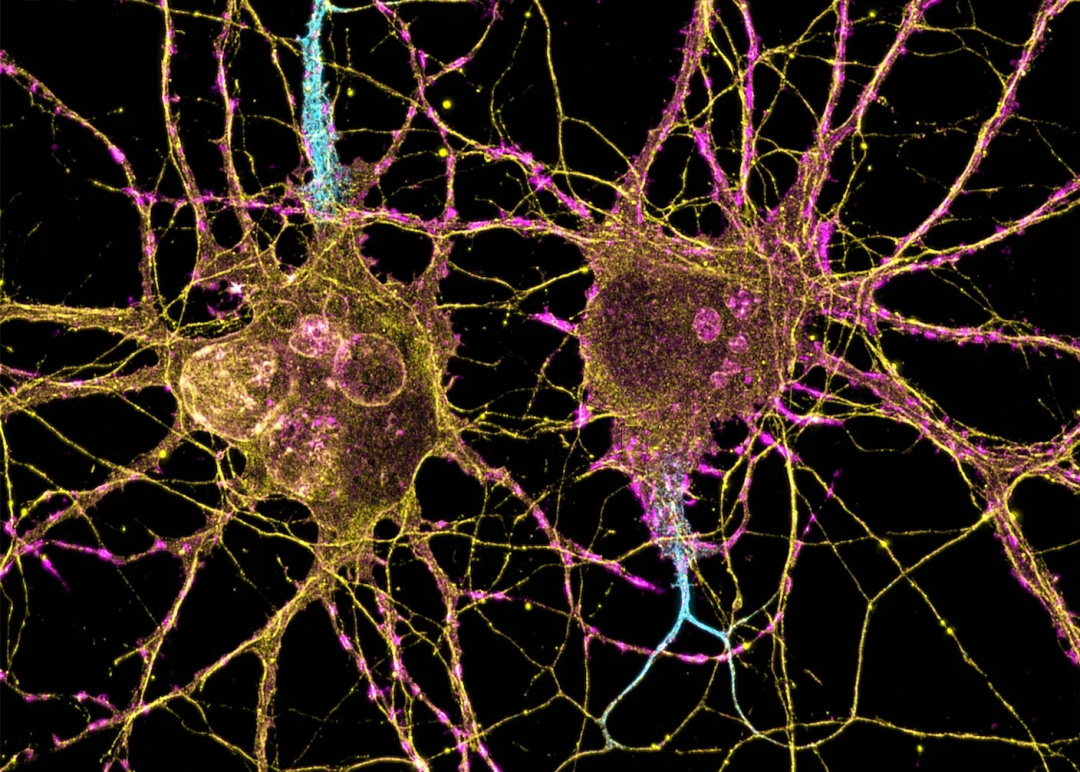
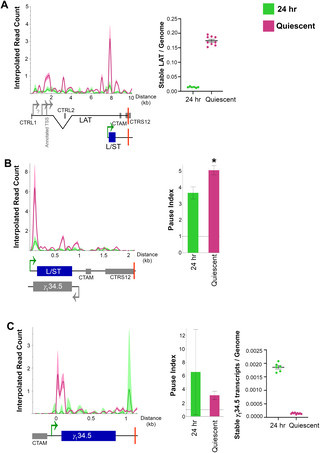
A recent study investigated the transcriptional activity of the herpes simplex virus 1 (HSV-1) in human neurons, revealing surprising insights into viral latency. Using precision nuclear run-on sequencing, researchers found that while HSV-1 transcription is limited during latenc…
Emerging research highlights the role of dietary choices in managing chronic headaches, suggesting that certain nutrients may provide relief. This shift from medication to nutriti…
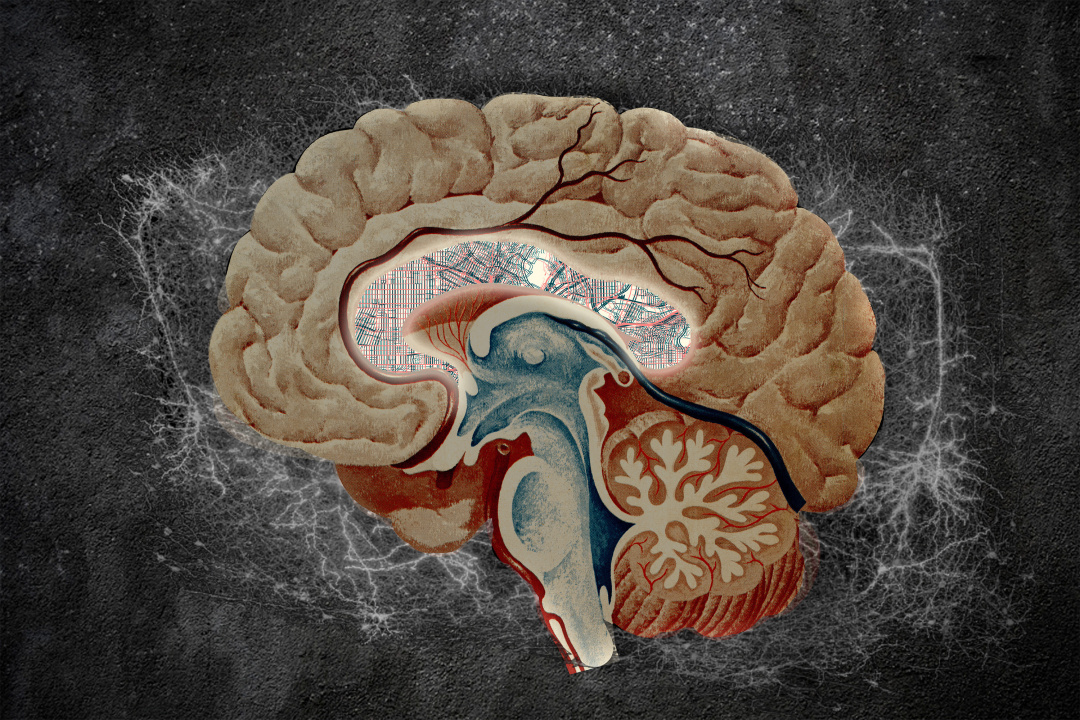
Recent research is reshaping our understanding of Alzheimer's disease, traditionally linked to toxic protein buildup. New findings suggest that issues within the cerebral vascular…
A recent study published in PNAS identifies a novel neural circuit in mice that links nasal breathing to anxiety regulation. This research highlights the potential of controlled b…
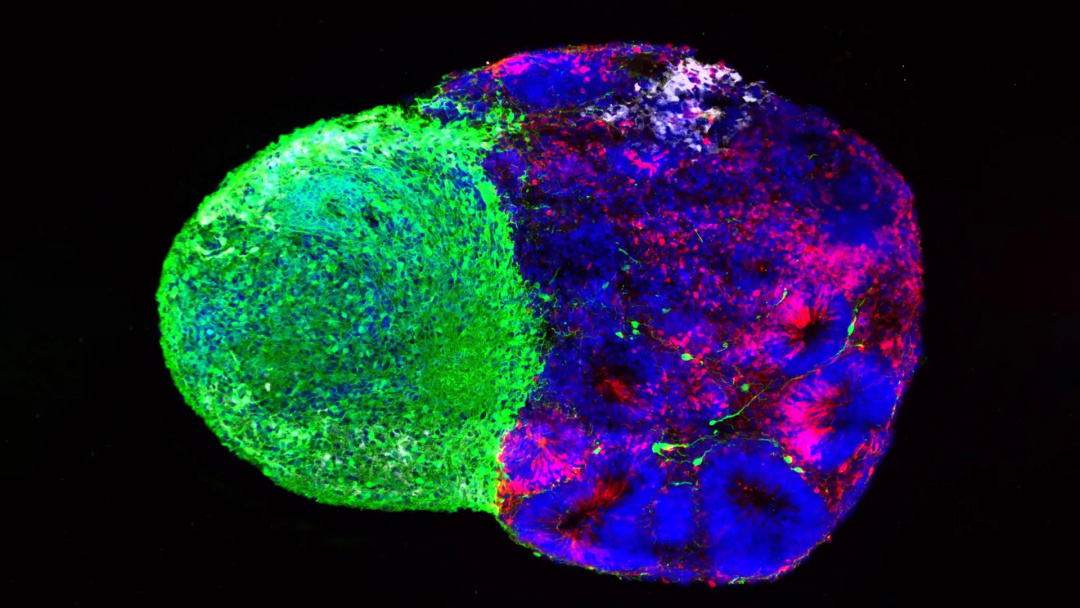
Recent research from UCLA highlights the crucial role of radial glia, stem cells that contribute to the formation of the human brain, particularly in how they respond to metabolic…
A collaborative study involving researchers from multiple universities has found that dietary supplements derived from sea squirts, which contain plasmalogens, may reverse several…
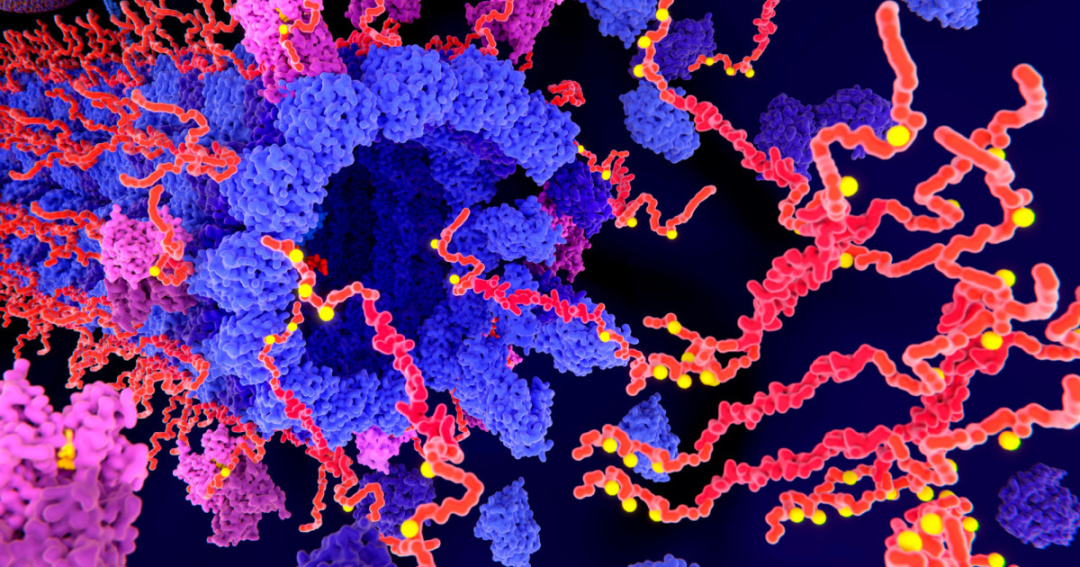
A recent study from Columbia University challenges existing assumptions about tau proteins, which play a critical role in the progression of Alzheimer's disease. The findings sugg…
MIT researchers have developed a new atlas detailing the neurons in the brain's striatum, which is crucial for cognitive and motor functions. This atlas, identifying 31 subgroups…
Researchers at the University of South Carolina have developed a drug that transforms astrocytes into neurons, demonstrating potential to reverse Alzheimer's symptoms in mice. Thi…
Researchers have developed a nanoparticle treatment that encourages the generation of new brain cells, successfully reversing cognitive decline in an animal model of Alzheimer's d…
Recent research from Columbia University reveals that individuals with major depressive disorder may experience a disruption in their brain's ability to generate new neurons. This…
A recent study from Osaka Metropolitan University reveals that the neural protein OPA1 significantly influences fat intake and weight gain in mice. This research sheds light on th…
A groundbreaking genetic study reveals that women must now manage 127 DNA regions to avoid the risk of Alzheimer’s, including 48 newly identified regions.
Havana syndrome, also known as anomalous health incidents, has affected U.S. National Security personnel, leading to symptoms such as vertigo, headaches, and cognitive issues. Res…
 Breathing.Food