New Study Reveals Nose-to-Brain Circuit Connecting Breathing and Anxiety Regulation
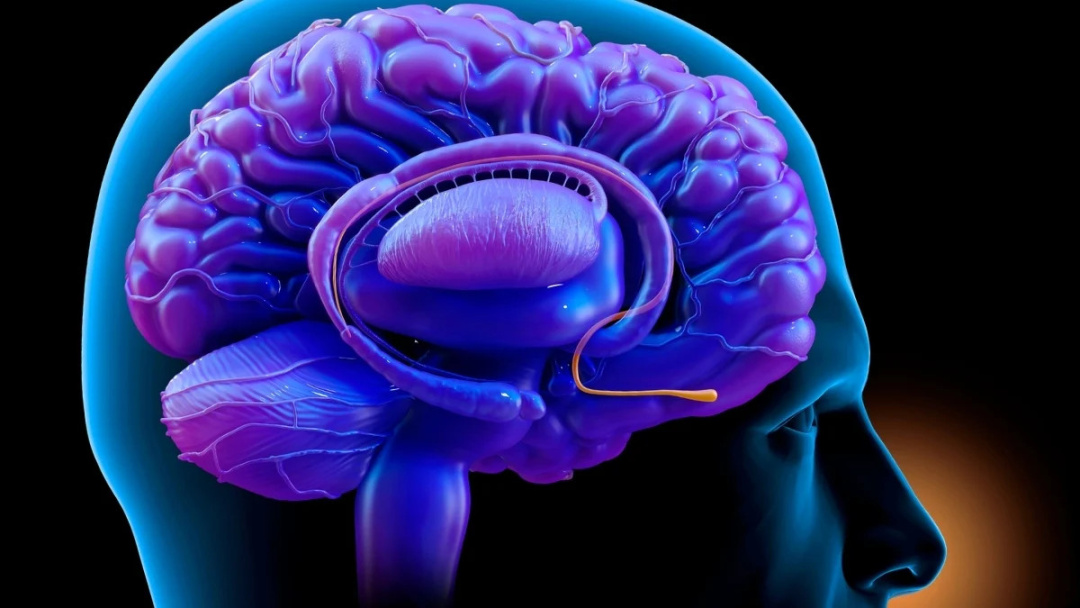
Anxiety disorders are among the most prevalent mental health issues globally, affecting approximately 359 million people. Research has shown that controlled breathing can help individuals manage anxiety, although the underlying mechanisms have remained unclear. A new study published in the Proceedings of the National Academy of Sciences (PNAS) sheds light on this connection by identifying a novel "nose-to-brain circuit" that may explain how nasal breathing influences anxiety levels.
Historically, various cultures have recognized the emotional effects of breathing, as seen in practices like pranayama and meditation. Modern scientific research increasingly supports the idea that breathing patterns can significantly affect brain function, with evidence suggesting that even subtle variations in breathing can elicit neural responses. The authors of the study note that slow, regular breathing has been shown to have profound effects on emotional states and is clinically effective for anxiety disorders.
The study's authors aimed to explore the specific neural mechanisms that enable breathing to influence anxiety. They noted that while the brainstem initiates our automatic breathing rhythm, we can consciously modulate this rhythm through a top-down pathway involving the frontal cortex. However, the precise neural pathways involved in this interaction have not been well understood.
Previous research indicated that breathing could affect emotional states in mice, regardless of whether the breathing was conscious or automatic. This suggests a nonconscious interaction between the body and brain in regulating emotions through breathing. The current study builds on this idea, focusing on the unique role of nasal breathing in emotional modulation.
The researchers found that slow nasal breathing appears to be more effective at reducing anxiety than slow mouth breathing, indicating a distinct role for the nose in this process. They also discovered that nasal breathing can synchronize brain oscillations, both in humans and rodents. Within the nasal cavity, olfactory sensory neurons (OSNs) play a crucial role; these neurons not only detect odors but are also sensitive to airflow. The activity of OSNs triggers signals in the olfactory bulb, a brain structure linked to smell that also connects to the limbic system, which is involved in emotional regulation.
To investigate this further, the researchers manipulated the frequency of nasal sensory signals in male mice using optogenetic stimulation and controlled airflow through implanted cannulas. They utilized various techniques, including optogenetics and behavioral tests, to uncover the cellular and circuit mechanisms behind the nose-emotion connection.
The study revealed a pathway that begins with OSNs sensing nasal inhalations and sending signals to mitral cells in the olfactory bulb. From there, information travels to long-projecting interneurons in the perirhinal cortex and ultimately to glutamatergic neurons in the posterior basolateral amygdala. The researchers found that nasal airflow regulates anxiety-like behavior in a frequency-dependent manner, suggesting that the effects of breathing on anxiety may vary based on the frequency of nasal inhalations.
Interestingly, the study also showed that the relationship between nasal sensory signals and anxiety regulation is bidirectional. Faster breathing could potentially increase anxiety, while slower breathing appears to alleviate it. When the researchers inhibited the olfactory-bulb-to-perirhinal-cortex pathway, the connection between nasal breathing frequency and anxiety regulation disappeared.
The researchers conducted a two-week regimen of controlled slow nasal airflow on some mice, which restored neural activity and reduced anxiety-like behaviors. However, the study's limitations include its focus on male mice and controlled experimental conditions, necessitating further research to determine if these findings apply to humans.
Overall, this study suggests that slow nasal respiration—at approximately half the normal breathing rate—could eventually serve as a straightforward, noninvasive method for treating anxiety, according to the researchers. The findings contribute to a growing body of evidence supporting the therapeutic potential of breathing exercises in managing anxiety and emotional well-being.