A recent study has identified a connection between gut microbiome composition and the pace of biological aging, suggesting that variations in gut bacteria can explain a portion of the differences in aging rates among individuals. This research, involving 123 adults aged 17 to 82…
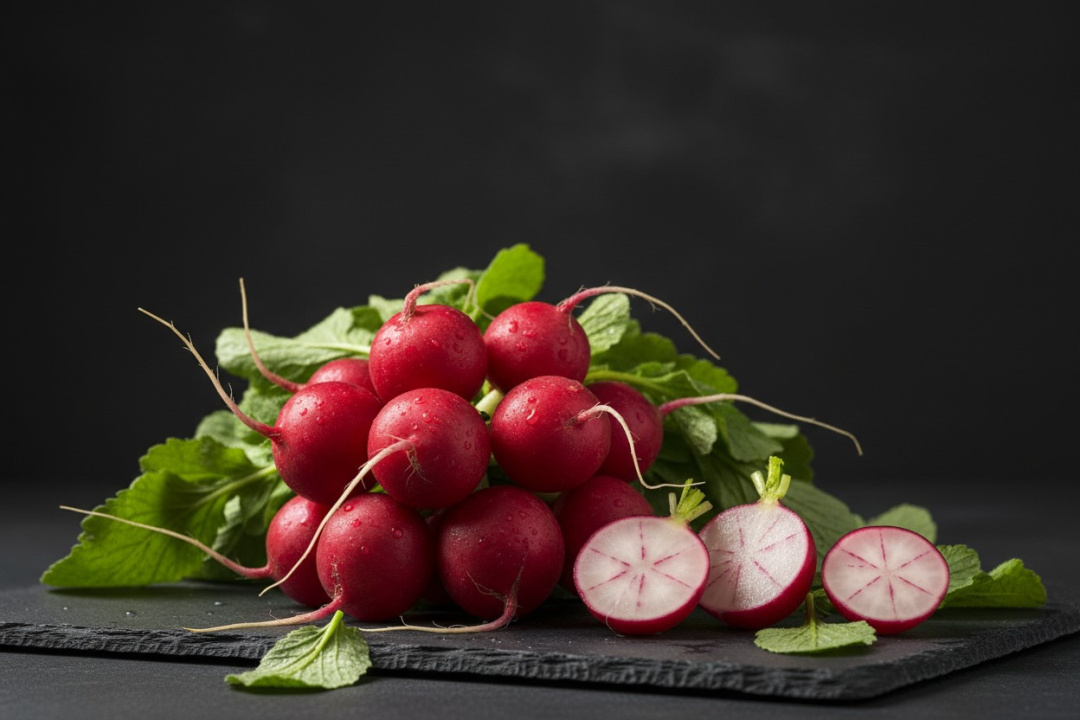
Research highlights the nutritional profile of radishes, emphasizing their low-calorie content, antioxidant properties, and potential benefits for blood sugar management. These ro…
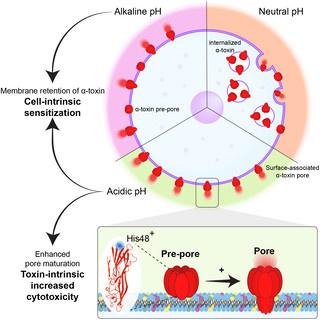
Recent research reveals that the extracellular pH significantly affects the cytotoxicity of Staphylococcus aureus α-toxin (AT). Acidic conditions enhance the maturation of AT pore…
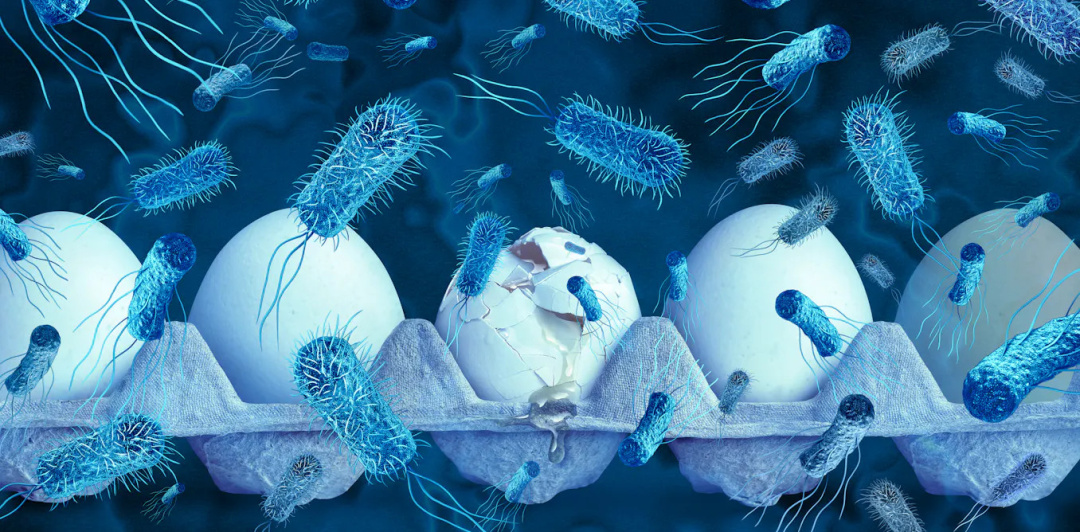
Salmonella contamination is a significant public health concern, affecting various food sources and environments. This article explores the prevalence of Salmonella outbreaks, the…
A recent study suggests that intermittent fasting, a popular weight-loss strategy, may also influence chronic pain management by altering gut-brain communication. Researchers foun…
Researchers at the University of Utah have found that the gut bacterium Turicibacter may significantly reduce weight gain and improve metabolic health in mice, even when fed a hig…
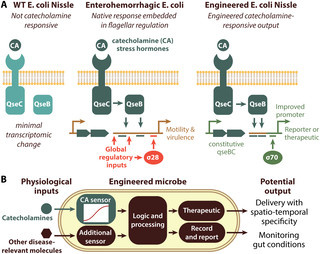
A recent study published in PLOS Biology explores how pathogens utilize host stress hormones to regulate their behavior, specifically focusing on the engineering of Escherichia co…
A recent study has found that the composition of gut bacteria may be linked to the pace of biological aging. Researchers analyzed stool and blood samples from 123 adults to explor…
Researchers have discovered a bacterium that synthesizes DNA using proteins instead of the typical nucleic acid templates. This process involves two reverse transcriptases, one of…
Research published in the journal Gut reveals that the gut bacterium Roseburia inulinivorans is associated with greater muscle strength in both humans and mice. Older adults with…
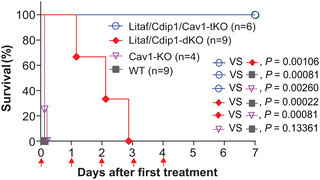
A recent study has identified caveolin-1 as a critical host factor in the cytotoxicity of Bacillus cereus hemolysin BL toxin. While previous research highlighted LITAF and CDIP1 a…
A new study from Mass General Brigham indicates that consuming one sugary drink daily may nearly triple the risk of developing stomach cancer. The research highlights the role of…
Rapamycin, an anti-aging compound discovered in 1964 from soil on Easter Island, has been shown to extend the lifespan of laboratory mice by up to 38%. Initially developed as an a…
 Breathing.Food