Turicibacter Gut Bacterium Linked to Reduced Weight Gain in Mice Study
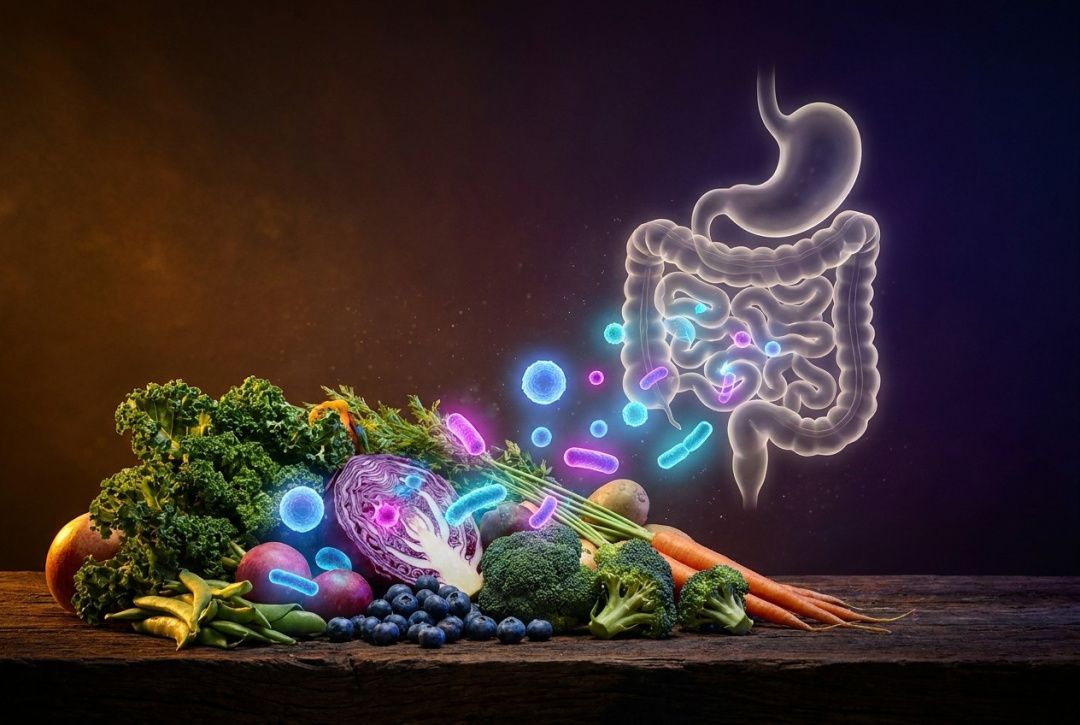
In the ongoing struggle against obesity, researchers at the University of Utah have made a significant discovery regarding the gut microbiome. Their study, published in the journal Cell Metabolism, reveals that a specific gut bacterium known as Turicibacter may help slow weight gain and improve metabolic health, even when subjects consume a high-fat diet. This finding suggests a new perspective on weight management, emphasizing the importance of nurturing beneficial gut bacteria through diet rather than solely focusing on caloric intake.
The study was prompted by the alarming statistic that approximately 74% of American adults are classified as overweight or obese, according to the Centers for Disease Control and Prevention. Obesity is a major contributor to various health issues, including type 2 diabetes, heart disease, and certain cancers. Traditional advice has often revolved around the simple equation of consuming fewer calories than one burns. However, as obesity rates continue to rise, researchers are exploring deeper biological mechanisms that influence weight gain.
Led by immunologist Dr. June Round, the research team conducted an eight-week experiment involving two groups of mice, both of which were fed a high-fat diet. One group was supplemented with Turicibacter, a bacterium that naturally resides in the human gut. The results were striking: while the control group of mice experienced a weight increase of approximately 25%, those receiving Turicibacter gained only about 10%. This notable difference highlights the potential impact of a single microbial strain on weight management.
Further analysis revealed that the mice supplemented with Turicibacter also had lower levels of ceramides, fatty molecules associated with insulin resistance and linked to type 2 diabetes and heart disease. This suggests that fostering the growth of Turicibacter not only limits weight gain but may also promote a healthier metabolic profile.
The researchers propose that Turicibacter thrives on dietary fiber, breaking it down and producing beneficial byproducts that could enhance fat metabolism. However, the bacterium is sensitive to high-fat, low-fiber diets, creating a cycle where poor dietary choices can starve these beneficial microbes.
While Turicibacter supplements are not yet available on the market, individuals can support the growth of this bacterium through their diet. Foods rich in specific fibers, such as onions, garlic, artichokes, asparagus, and cacao, can serve as fuel for Turicibacter. Additionally, polyphenol-rich plum juice has been shown to boost Turicibacter levels, and foods containing omega-9 fatty acids, like olive oil, avocados, and nuts, may also be beneficial.
Despite the promising results from this mouse study, Dr. Round cautions that translating these findings to humans requires further research. The study serves as a foundational step in understanding the complex interactions between diet, gut microbiota, and metabolic health. It also challenges traditional weight-loss narratives that emphasize calorie restriction alone, suggesting that nurturing a diverse gut microbiome may be a more effective and sustainable approach to weight management.
This research underscores the growing recognition of the gut microbiome as a vital component of human health, influencing various aspects of well-being from immunity to weight regulation. As scientists continue to explore the mechanisms behind Turicibacter's effects, it remains crucial to await robust human trials to confirm these findings and their applicability to human health.