Understanding the Spread of Salmonella and How to Prevent Infection
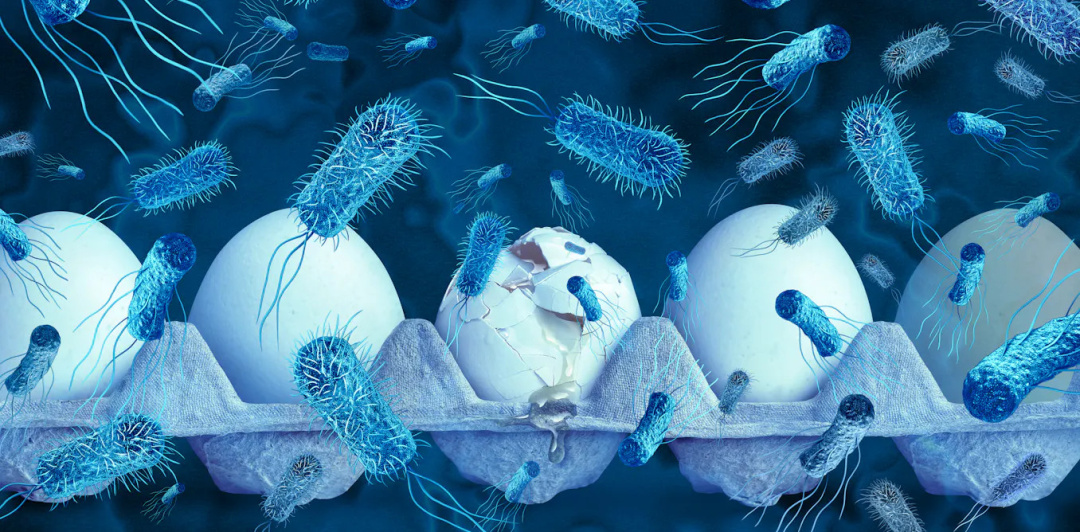
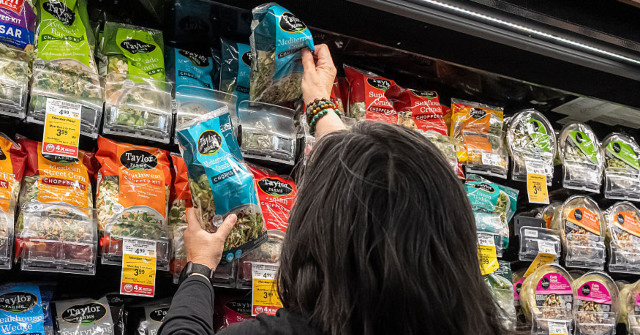
Salmonella is a bacterium that has been increasingly linked to various food sources and environments, raising concerns about food safety. According to the U.S. Centers for Disease Control and Prevention (CDC), there have been 10 reported outbreaks of Salmonella in 2026 alone, associated with foods such as jalapeño peppers, shell eggs, and even pet reptiles. This highlights the bacterium's widespread presence, which can lead to serious health issues for those infected.
In the U.S., Salmonella is responsible for approximately 1.35 million infections annually, resulting in around 26,500 hospitalizations and 420 deaths. These figures may not fully represent the true number of infections, as many individuals recover without seeking medical attention. The populations most affected include children, older adults, pregnant individuals, and those with weakened immune systems. The economic impact is significant, with the U.S. spending about $2.4 billion each year on medical costs and lost productivity related to Salmonella infections.
Salmonella can survive in a variety of environments, primarily originating from the intestinal tracts of humans and animals. Once excreted, it can contaminate surfaces, water, and food. The bacterium thrives under optimal conditions, including warm temperatures and high humidity, but can also endure extreme conditions, making it a resilient pathogen.
Preventing Salmonella infections requires a multifaceted approach. Proper hand-washing is crucial, especially after using the restroom, before handling food, and after contact with animals. The CDC recommends washing hands for at least 20 seconds with soap and clean water. Additionally, food safety practices are essential in minimizing the risk of contamination. This includes cleaning and sanitizing food contact surfaces, washing produce thoroughly, and cooking foods to the appropriate internal temperatures to kill any harmful bacteria.
It is also important to keep raw foods separate from cooked foods to avoid cross-contamination. Refrigeration plays a vital role in food safety, as foods should be kept below 40°F (4.44°C) to inhibit bacterial growth.
While it is impossible to eliminate Salmonella completely from the environment, awareness and adherence to food safety guidelines can significantly reduce the risk of infection. By understanding how Salmonella spreads and implementing preventive measures, individuals can protect themselves and their families from this common foodborne illness.