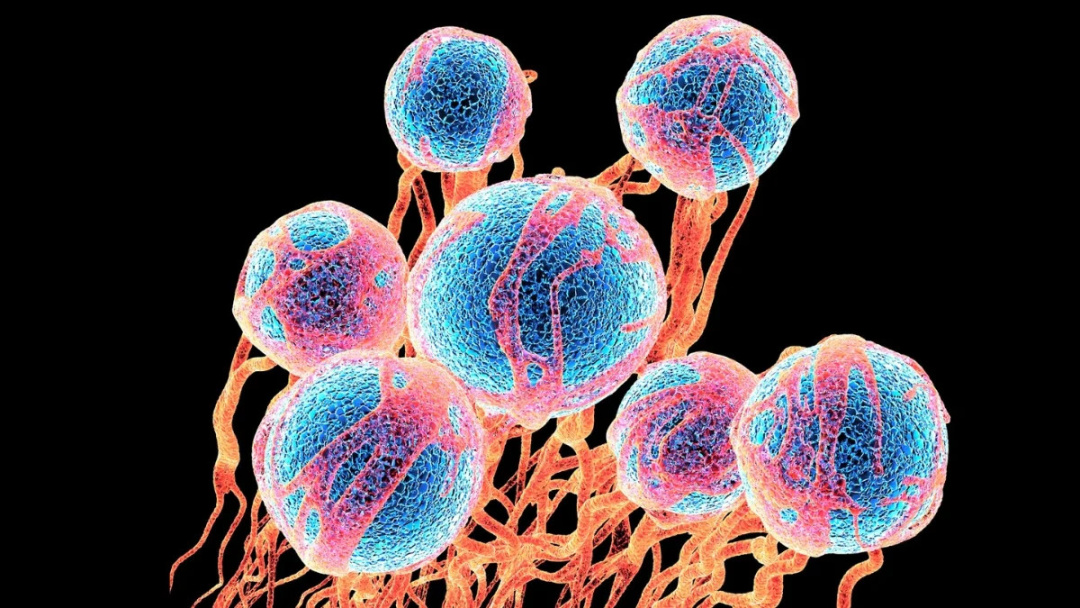
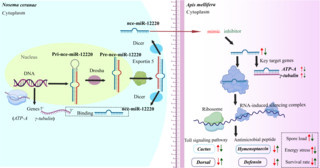
A recent study highlights the role of nce-miR-12220, a microRNA from the parasite Nosema ceranae, in regulating the infection process in honeybees. This microRNA influences energy metabolism and immune responses in the bees, suggesting potential targets for controlling this sign…
This article examines whether starting the day with bitter foods, such as raw spinach, can help curb sugar cravings. While some anecdotal evidence suggests that bitter flavors mig…
A recent study explored why some women experience recurring bacterial vaginosis and yeast infections despite treatment. Researchers found that factors such as diabetes, childbirth…
This article explores the health risks associated with added sugars, especially fructose, which is linked to obesity, metabolic syndrome, and other chronic conditions. It clarifie…
New research published in Nature Aging suggests that fructose may play a significant role in the behavior of cancer cells, particularly in ovarian cancer. The study indicates that…
A recent study from The Wistar Institute has found that fructose, a common dietary sugar, may facilitate the spread of ovarian cancer cells that survive chemotherapy. Published in…
A recent study conducted over six months reveals that altering sweet food consumption does not significantly change individuals' cravings for sweetness or improve health markers r…
A recent audit of toddler food products in Austin, Texas, found that a staggering 81% of the 2,783 items assessed were classified as ultra-processed. The study, presented at the N…
Recent research suggests that ice cream, often viewed as an indulgence, may offer health benefits. Studies indicate that dairy consumption, including ice cream, is linked to lower…
A recent study published in Neurology suggests that lower sugar intake during pregnancy and early childhood may lead to a reduced risk of developing dementia later in life. The re…
Liver disease is increasing globally, with diet and lifestyle playing crucial roles in risk management. This article discusses how habits such as alcohol consumption, sugar intake…
A recent study published in npj Aging suggests that lower sugar consumption during the first 1,000 days of life may significantly reduce the risk of developing Alzheimer's disease…
 Breathing.Food