Study Links Fructose to Enhanced Spread of Ovarian Cancer Cells
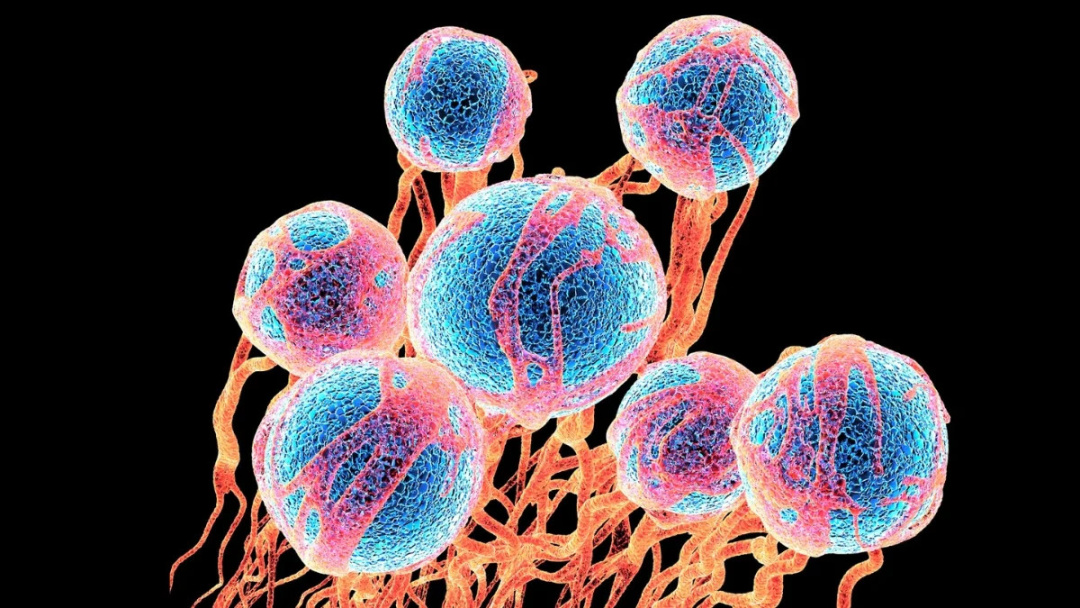
Recent research published in Nature Aging has uncovered a potential link between fructose, a common sugar found in many diets, and the behavior of cancer cells, particularly in ovarian cancer. The study, led by Aidan Cole and his team at The Wistar Institute, explores how chemotherapy-induced senescent cancer cells can influence the spread of tumors. While chemotherapy aims to eliminate cancer cells, some cells enter a state known as cellular senescence, where they remain metabolically active and can release various molecules that alter their environment. This research suggests that fructose may be one of those crucial signals that encourage cancer cells to detach and spread.
The researchers focused on ovarian cancer cells treated with cisplatin, a chemotherapy drug that often induces senescence. Although patients initially respond well to this treatment, recurrence and metastasis are common challenges. To investigate the mechanisms behind this, the team induced senescence in lab-grown ovarian cancer cells using cisplatin and subsequently analyzed the growth media, which contained the molecules released by these cells.
Interestingly, when untreated ovarian cancer cells were exposed to this media, they did not proliferate faster or become more resistant to cell death. However, they did exhibit increased detachment from neighboring cells, which is a critical step in the spread of ovarian cancer. The researchers eliminated various known signaling molecules but found that the effect persisted, leading them to suspect a smaller molecule was responsible.
Through metabolic analyses, the team identified fructose as a key player. Senescent cells consumed glucose but secreted elevated levels of fructose. Adding fructose to the media was sufficient to reproduce the increased detachment of cancer cells, while restoring glucose reversed this effect. The research further revealed that fructose altered mitochondrial metabolism, resulting in reduced cholesterol production. Cholesterol is vital for stabilizing cell membranes, and its reduction made cancer cells less adhesive, facilitating their detachment and movement.
The findings were corroborated in a mouse model, where mice implanted with ovarian cancer cells showed more metastatic tumors when treated with the material from senescent cells compared to normal cells. Mice fed a high-fructose diet also developed more widespread metastatic disease. Conversely, disabling the cancer cells' ability to metabolize fructose resulted in fewer cells moving around, indicating that dietary intake could influence cancer progression.
While these findings are significant, they are based on preclinical models and should not be interpreted as evidence that dietary fructose alone causes ovarian cancer metastasis in humans. However, the study highlights the need for further investigation into how sugar consumption may impact cancer treatment outcomes. The researchers propose that future therapies could combine senolytic drugs, which target senescent cells, with dietary interventions to mitigate the unintended consequences of chemotherapy on cancer spread. This research opens up new avenues for understanding the complex relationship between diet and cancer progression, particularly regarding the role of fructose in modulating tumor cell behavior.