Diet and Lifestyle Choices That Affect Liver Health and Disease Risk
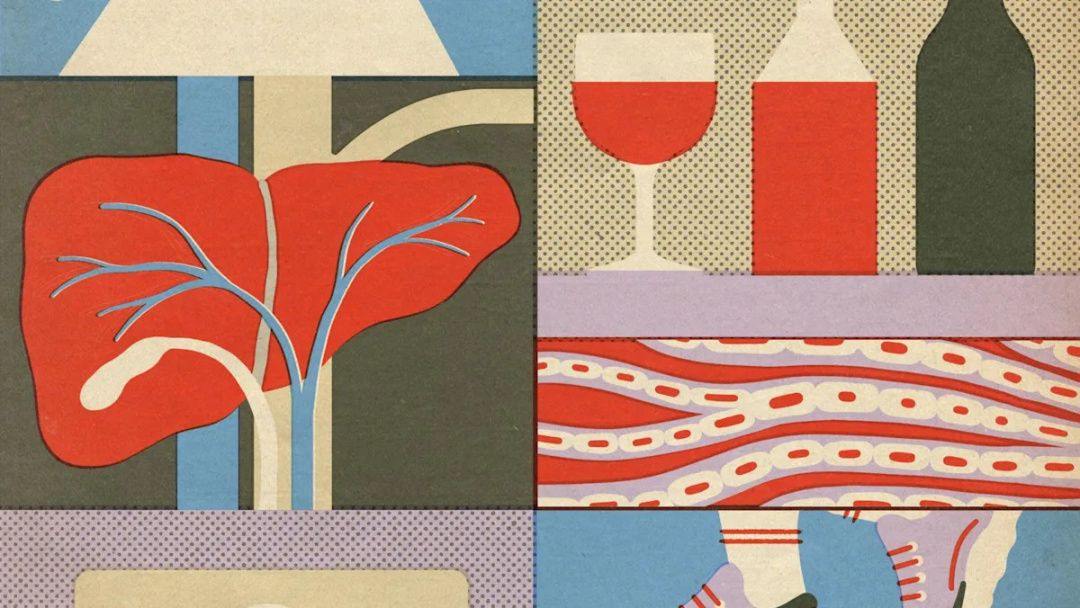
Liver disease is on the rise worldwide, and factors such as diet, exercise, and existing health conditions can significantly affect an individual's risk. The liver plays a vital role in filtering blood, maintaining sugar levels, storing energy, and aiding digestion. Poor dietary choices, lack of physical activity, and certain medical conditions can contribute to liver disease and liver cancer, both of which are increasingly prevalent globally. Fortunately, it is often possible to prevent or even reverse liver disease through dietary and lifestyle changes.
Dr. Zoubair Younossi, chair of the Global Center for Liver Outcomes & Policy Research at Georgetown University School of Medicine, explains that regular alcohol consumption, metabolic dysfunction, or a combination of both can lead to steatotic liver disease, where fat accumulates in the liver, potentially resulting in inflammation, scarring, and cirrhosis. For individuals with metabolic issues such as Type 2 diabetes, high blood pressure, or excess abdominal fat, even modest alcohol consumption can exacerbate liver damage. For those with advanced liver disease, complete avoidance of alcohol is recommended. However, for individuals with milder conditions, consuming up to one drink per day may be acceptable, although abstaining entirely is preferable, according to Dr. Mary Rinella, director of metabolic and fatty liver disease at the University of Chicago.
Sugar intake is another critical factor in liver health. Excessive sugar consumption can overwhelm the liver's mechanisms, leading to stress on liver cells. Insulin resistance, often resulting from chronic high sugar intake, further contributes to fat accumulation in the liver. Shira Zelber-Sagi, a clinical dietitian and public health researcher at the University of Haifa, notes a strong correlation between high sugar consumption, particularly from sugary beverages, and metabolic dysfunction-associated steatotic liver disease (MASLD). Experts recommend limiting added sugars to no more than 25 grams per day for women and 36 grams for men. Zelber-Sagi advises that while occasional treats are fine, sugar-sweetened drinks should be avoided as they can create unhealthy habits.
The article also addresses the misconception surrounding liver cleanses and detoxes, with Dawn Anderson, a clinical dietitian at Virginia Commonwealth University, stating that there is little evidence supporting the benefits of these unregulated products. The liver is inherently capable of detoxifying the body, and reliance on cleanses may pose risks due to unknown ingredients.
In terms of maintaining liver health, regular exercise and weight management are essential. A modest weight loss of just 3 percent can improve liver health markers, while a loss of 10 percent or more may be needed to reverse scarring. Incorporating at least 150 minutes of aerobic activity and strength training twice a week can help reduce abdominal fat and insulin resistance.
The Mediterranean diet, rich in fresh fruits, vegetables, fish, and healthy fats, has been shown to lower the risk of cardiovascular disease, which is particularly important for individuals with nonalcoholic liver disease. While strict adherence to this diet may not be practical for everyone, incorporating its principles can be beneficial. For instance, individuals can include more fish and white meat while reducing intake of fatty cuts of red meat, and opting for grilling instead of frying.
Lastly, staying current with primary care is vital for liver health. Hepatitis B and C are significant contributors to liver disease, and all adults should be screened for hepatitis C and vaccinated against hepatitis B if they were not vaccinated as children. Primary care physicians can assess liver disease risk through routine lab results, and individuals with Type 2 diabetes should discuss liver stiffness testing with their doctors to monitor potential progression of liver disease.