The Surprising Health Benefits of Ice Cream: What Research Reveals

Ice cream has long been a beloved treat, often associated with guilt and indulgence. However, recent research is challenging this perception, suggesting that ice cream may actually have some health benefits. According to Molly Knudsen, M.S., RDN, a dietitian at mindbodygreen, a typical half-cup serving of premium vanilla ice cream contains a combination of protein and fat, which can contribute to a feeling of fullness. This means that ice cream is more than just empty calories; it can be satisfying in moderation.
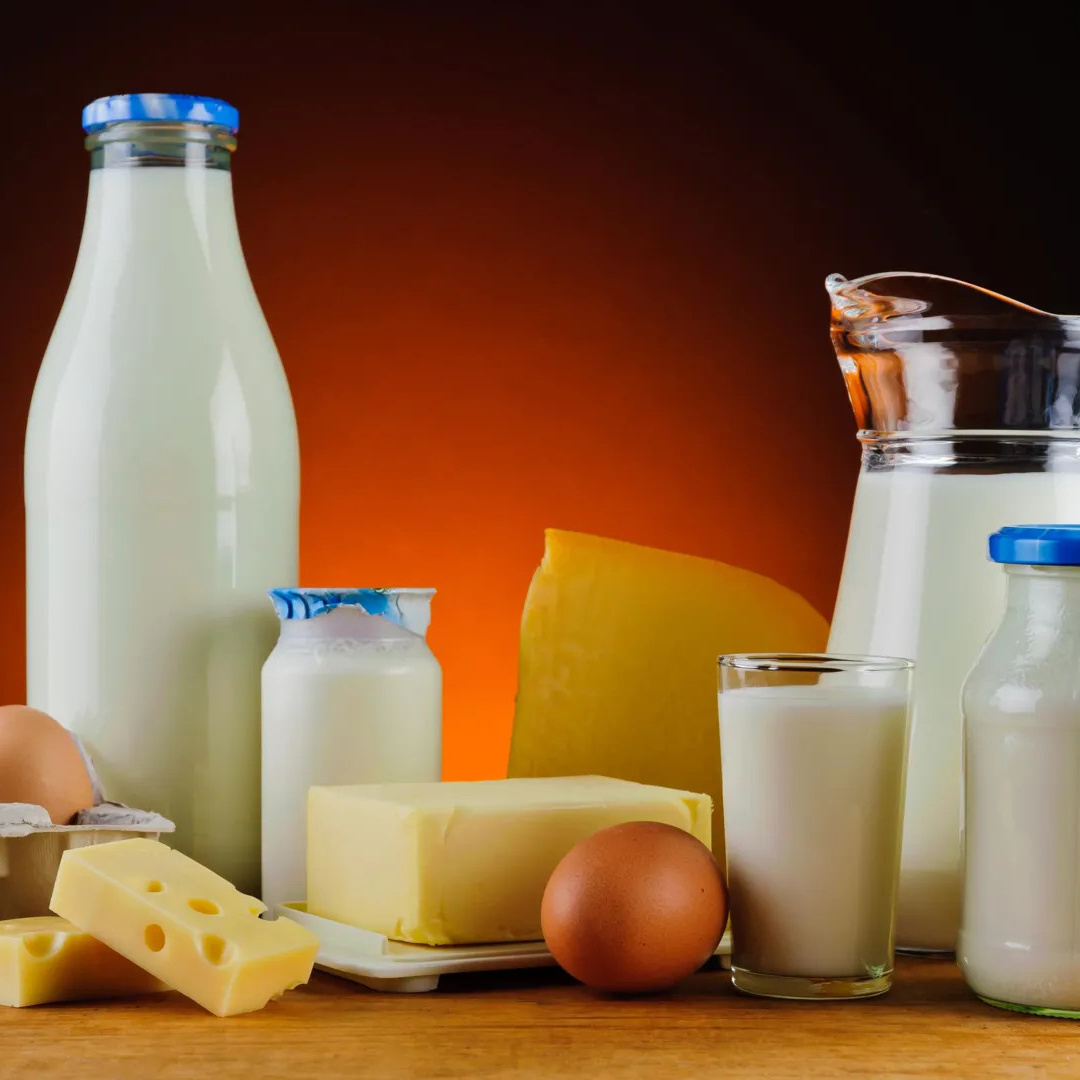
Historically, the nutrition community has warned against full-fat dairy, branding it as detrimental to heart health. Yet, a global analysis published in Nature Communications found that dairy consumption is associated with a lower risk of cardiovascular disease and stroke across various countries and dietary patterns. Additionally, research from the University of Minnesota indicates that whole-fat dairy products may correlate with fewer early signs of heart disease.
A notable study from Harvard analyzed data from the Nurses' Health Study and the Health Professionals Follow-Up Study, revealing an inverse relationship between ice cream consumption and cardiovascular disease outcomes. This suggests that individuals who enjoy ice cream may actually experience better cardiovascular health, even among those with type 2 diabetes. While it's important to note that some studies indicate whole milk could be linked to slightly higher cardiovascular mortality compared to low-fat options, the long-held belief that all full-fat dairy is harmful is increasingly being viewed as an oversimplification.
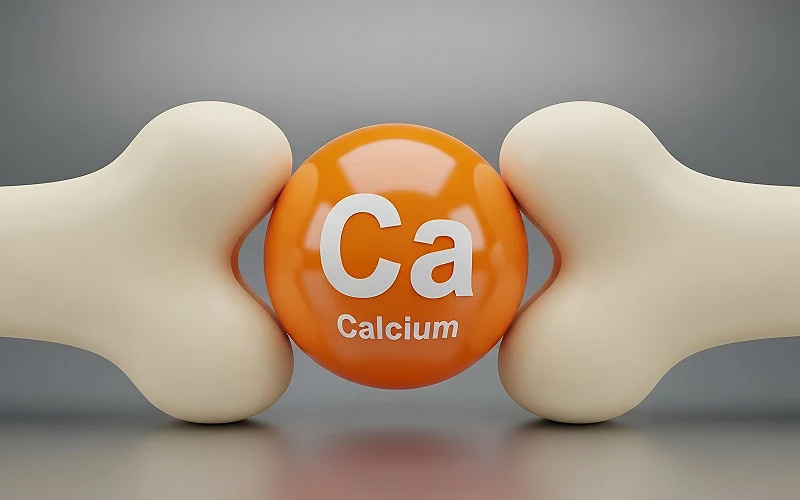
In addition to cardiovascular benefits, dairy products are a rich source of calcium, which is vital for bone health. A 2024 review highlighted that sufficient calcium intake, paired with higher dietary protein, can lower fracture risk. Another 2025 umbrella review reinforced the idea that dairy consumption is linked to better bone mineral density, which is particularly important for women at risk of bone density loss during perimenopause and beyond.
When choosing ice cream, it's advisable to look for options with short ingredient lists and lower sugar content. While lower-calorie ice creams may seem healthier, they often contain artificial sweeteners and sugar alcohols that can lead to unintended sugar consumption. The ice cream market has also expanded to include probiotic varieties, which can positively influence gut health, similar to other probiotic dairy products. Frozen Greek yogurt has gained popularity as a tasty alternative, offering a favorable nutritional profile.
Despite its high sugar and saturated fat content, ice cream is not the dietary villain it has been portrayed to be. Current research on full-fat dairy, probiotics, and bone health suggests a more nuanced view than the previous low-fat stigma. Enjoying ice cream in moderation can be part of a balanced diet, and the mood boost it provides is a significant benefit. Therefore, rather than viewing a scoop of ice cream as a moral failing, the science encourages a more relaxed approach to this delightful treat.