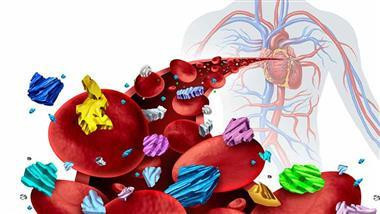
Research indicates that microplastics and nanoplastics, found in food, water, and air, accumulate in organs and may contribute to oxidative stress and metabolic dysfunction. This article explores how certain nutrients can activate the body's defenses against these harmful effect…
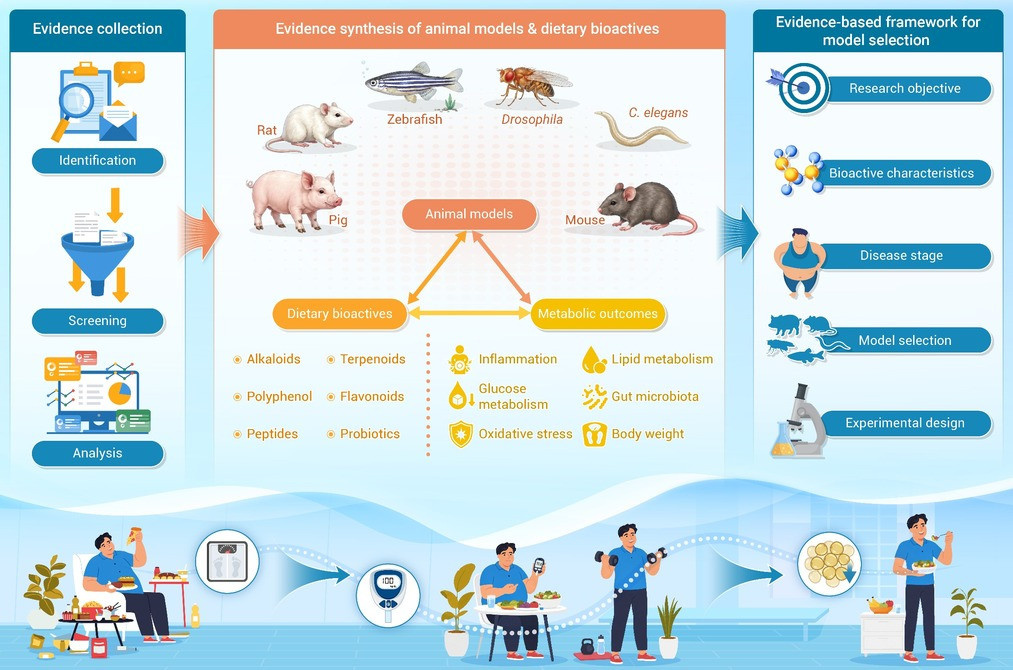
A systematic review has examined the use of diet-induced rodent models in research on obesity and diabetes. The review highlights that while these models are prevalent, the report…
A recent study from Rockefeller University suggests that arginine supplementation may improve immune responses to cancer and viral infections in mice. As arginine levels increased…
A recent study published in The Journal of Immunology suggests that the integrity of the gut barrier may influence the severity of food allergies. Researchers found that mice with…
A recent study published in the journal Gut reveals how Western-style diets may contribute to colorectal cancer through specific gut bacteria that produce deoxycholic acid (DCA).…
A recent review published in Cell Press Blue explores the relationship between low-protein diets and aging, based on decades of animal research. The study suggests that dietary pr…
A recent pilot study presented at the American Society for Nutrition's NUTRITION 2026 meeting indicates that time-restricted eating could lead to cognitive improvements in older w…
A study led by researchers from Capital Medical University in China found microplastics in all 17 human artery samples tested, suggesting potential links to cardiovascular health…
A recent study involving over 11,000 U.S. adults has found a significant association between vitamin D levels and appendicular muscle mass, particularly highlighting a causal rela…
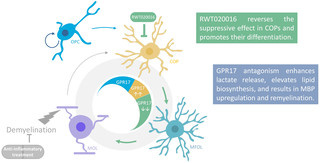
A recent study has revealed that selective antagonism of GPR17, a receptor involved in myelination, can enhance structural and functional recovery in animal models of demyelinatio…
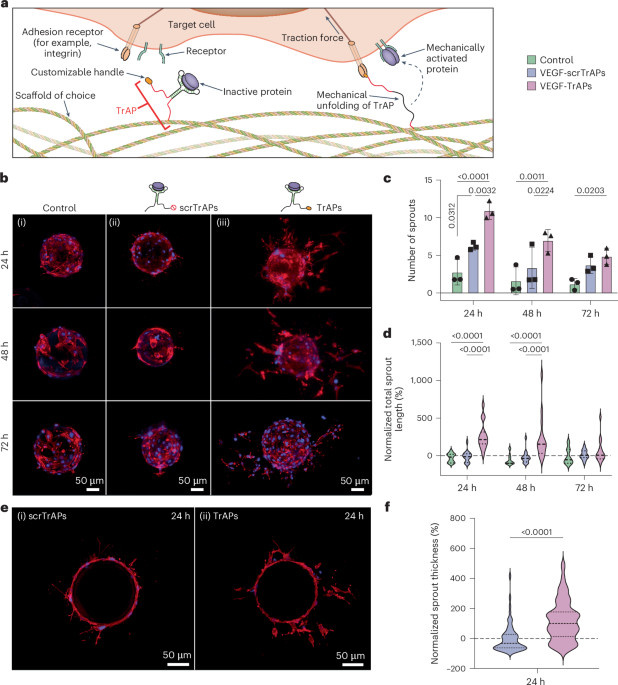
Recent research highlights the potential of biomaterials that utilize cellular traction forces to deliver endogenous growth factors, offering a novel approach to tissue repair. Th…
A recent study from the University of Bristol indicates that regular aerobic exercise significantly alters the nerve clusters that regulate heart function. Published in Autonomic…
Rapamycin, an anti-aging compound discovered in 1964 from soil on Easter Island, has been shown to extend the lifespan of laboratory mice by up to 38%. Initially developed as an a…
 Breathing.Food