Research Highlights Limitations of Animal Models in Obesity and Diabetes Studies
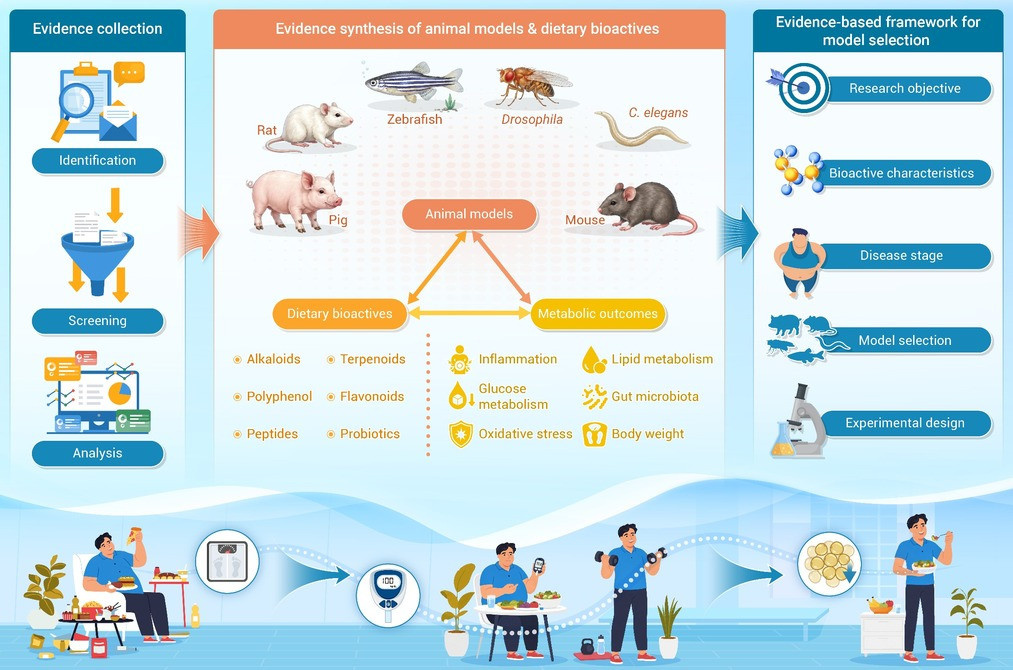
A recent systematic review has brought attention to the predominant use of diet-induced rodent models in research focused on obesity and diabetes mellitus. These animal models are crucial for understanding the effects of dietary bioactive components, yet the review reveals significant limitations in their application. One major finding is that outcome reporting tends to skew towards basic metabolic markers, which may not capture the full complexity of metabolic processes involved in obesity and diabetes. Furthermore, the depth of mechanistic insights gained from these studies often varies and is frequently limited, raising concerns about the robustness of the findings.
Another critical issue identified in the review is the presence of sex bias in the selection of animal models, which can lead to incomplete or misleading conclusions about the effects of dietary interventions. Variability in study design also poses challenges to the reproducibility of results, making it difficult to translate findings from animal studies to human applications.
To address these challenges, the authors of the review propose a framework aimed at guiding researchers in the selection of appropriate animal models for future studies. This framework seeks to enhance the reliability and relevance of research outcomes, ultimately contributing to more effective dietary strategies for managing obesity and diabetes. By improving the rigor of animal model selection, researchers hope to advance the understanding of dietary bioactive components and their potential benefits in human health.