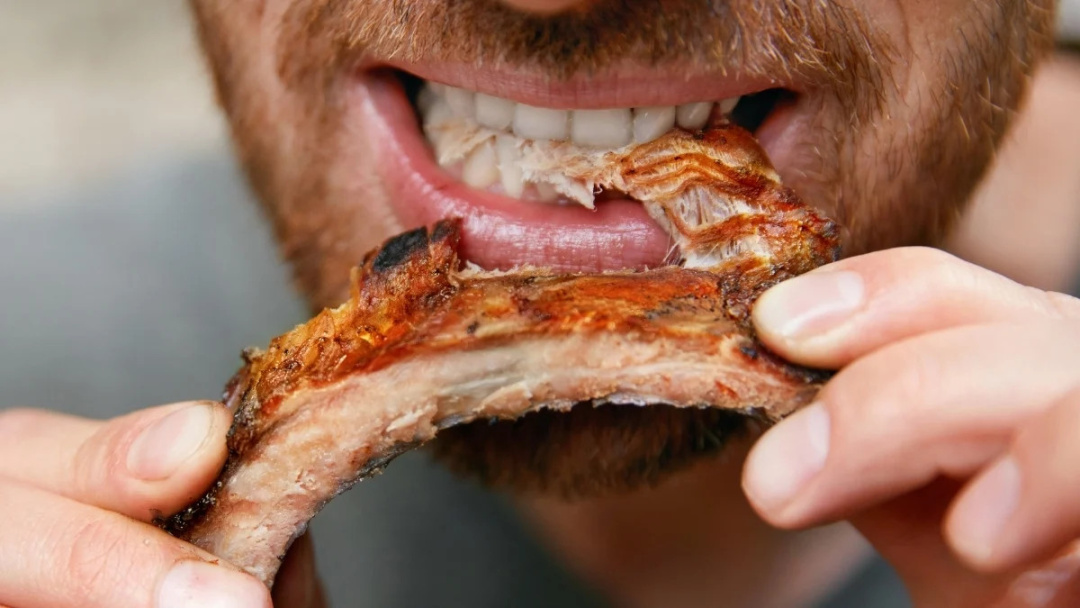
Recent research highlights the connection between Western diets and gut health, particularly regarding colorectal cancer. This article explores how certain dietary choices can influence gut bacteria and overall health, emphasizing the importance of mindful eating and balanced nu…
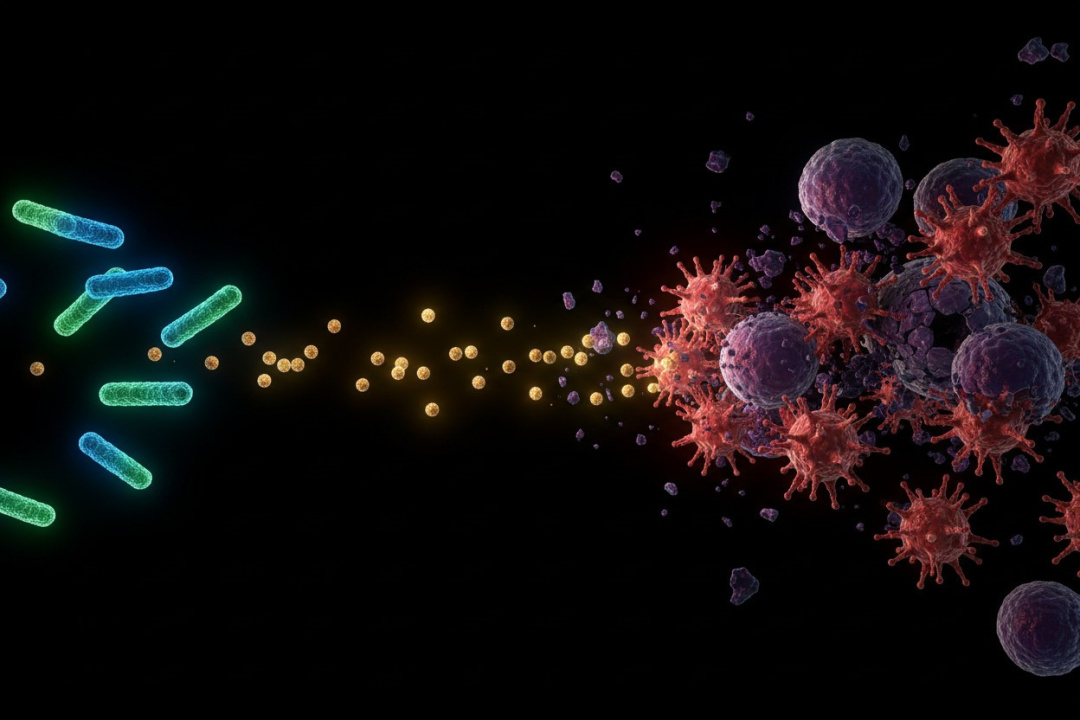
A recent study published in the journal Gut reveals how Western-style diets may contribute to colorectal cancer through specific gut bacteria that produce deoxycholic acid (DCA).…
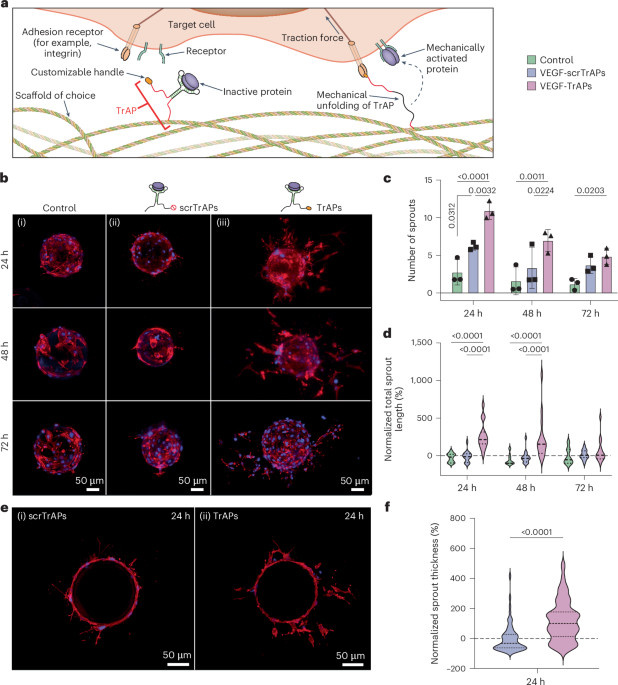
Recent research highlights the potential of biomaterials that utilize cellular traction forces to deliver endogenous growth factors, offering a novel approach to tissue repair. Th…
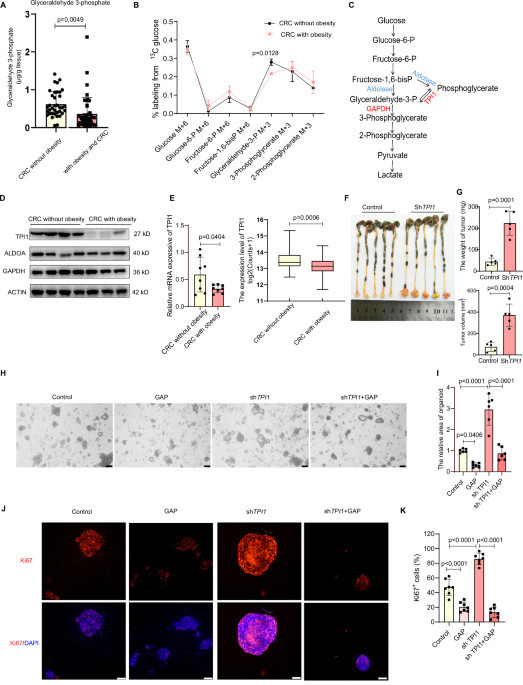
A recent study reveals that obesity-related loss of gut microbial GABA contributes to metabolic changes that accelerate colorectal cancer (CRC) progression. The research highlight…
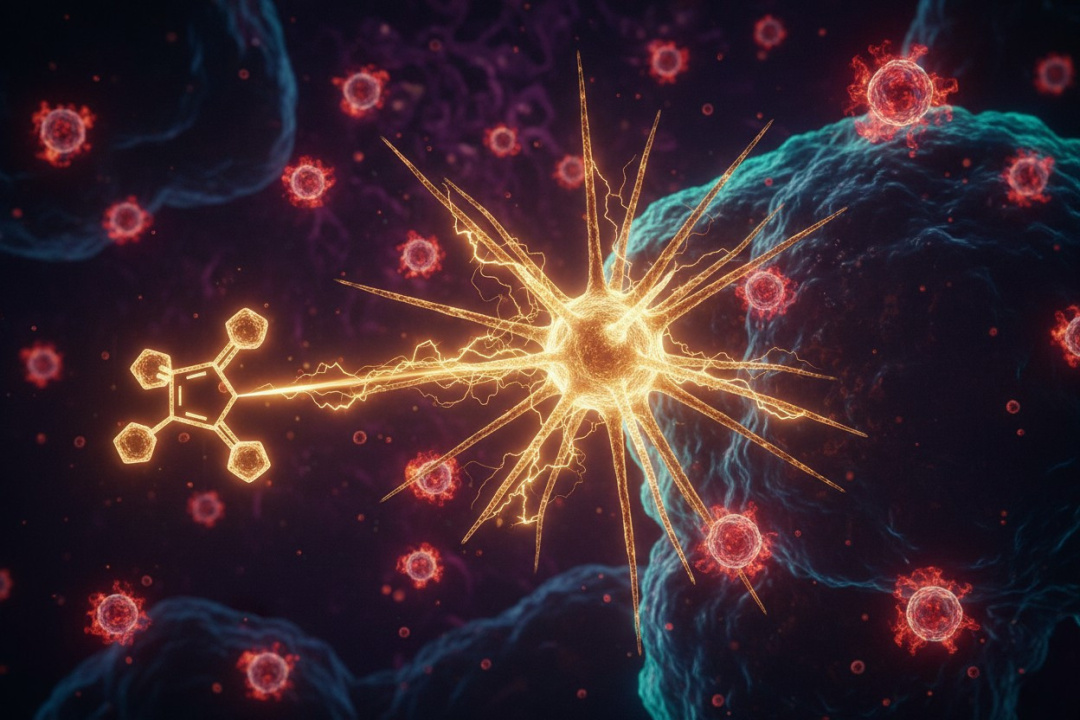
A recent study from UCLA published in iScience suggests that creatine, commonly known as a muscle supplement, may enhance the energy levels of immune cells involved in fighting ca…
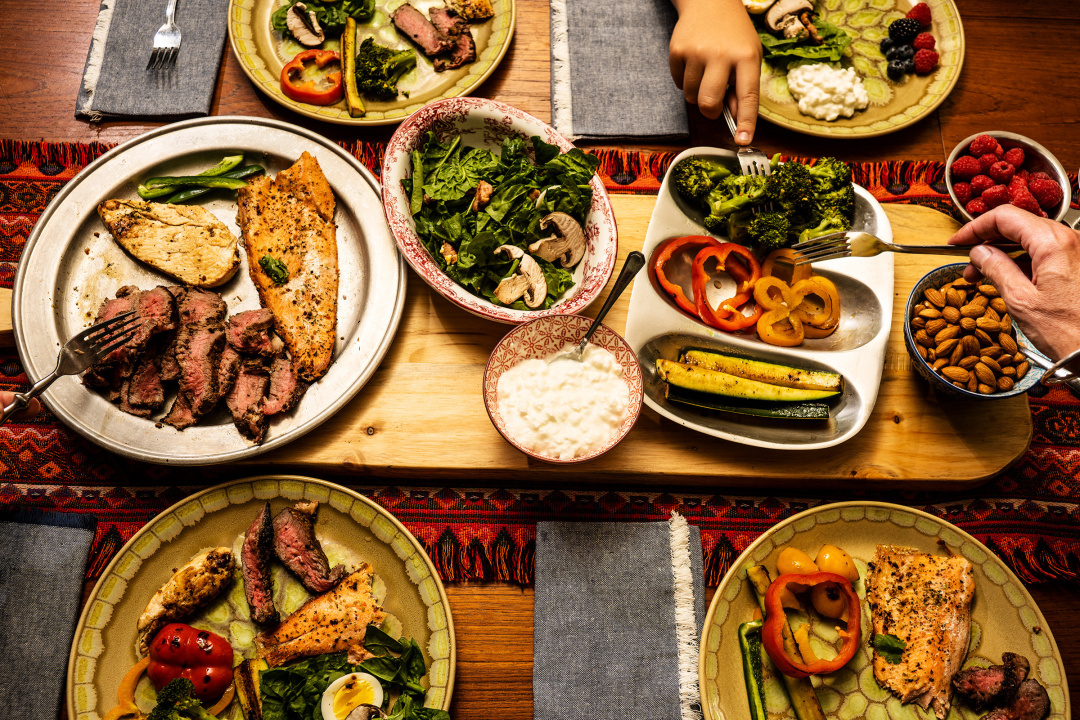
A new study from MIT indicates that ketogenic diets, while beneficial for weight loss, may increase the risk of cancer in the small intestine. The research highlights the complex…
A new study published in Nature investigates the effects of the ketogenic diet on intestinal cancer in mice, revealing that it can accelerate tumor growth in the small intestine w…
Recent research suggests that Bifidobacterium animalis, a common probiotic found in yogurt, may enhance the immune system's ability to combat melanoma. The study, conducted using…
Recent discussions surrounding GLP-1 drugs, particularly Ozempic, have raised questions about their potential role in cancer risk reduction. While some studies suggest a lower inc…
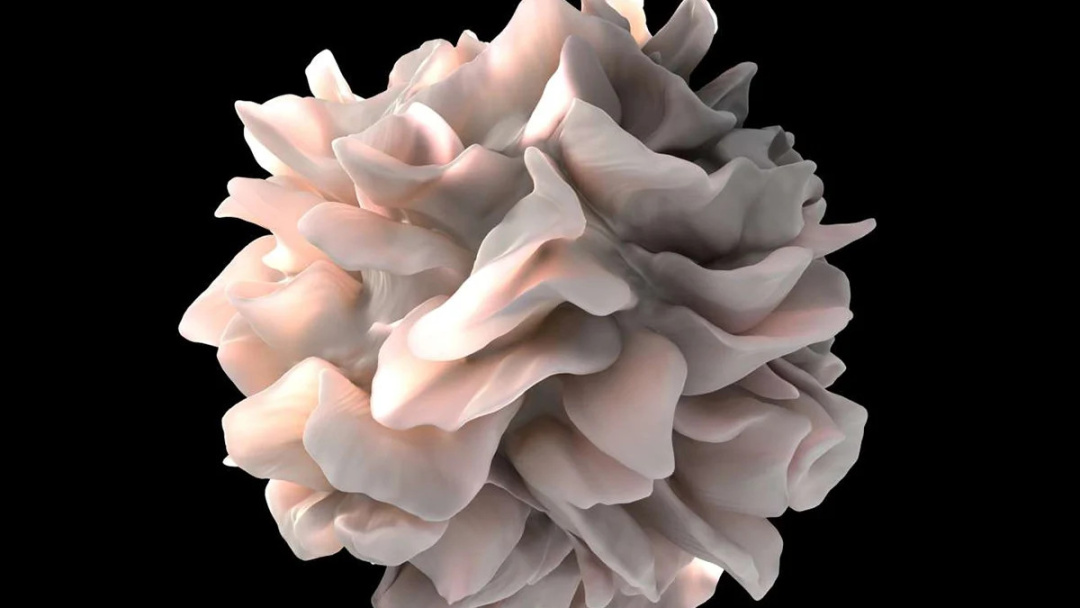
A recent study from UCLA suggests that creatine, commonly known as a sports supplement, may enhance the immune system's ability to combat cancer by boosting the activity of dendri…
Recent research highlights the potential of the probiotic strain Bifidobacterium animalis in enhancing the immune response against melanoma, suggesting it may improve the effectiv…
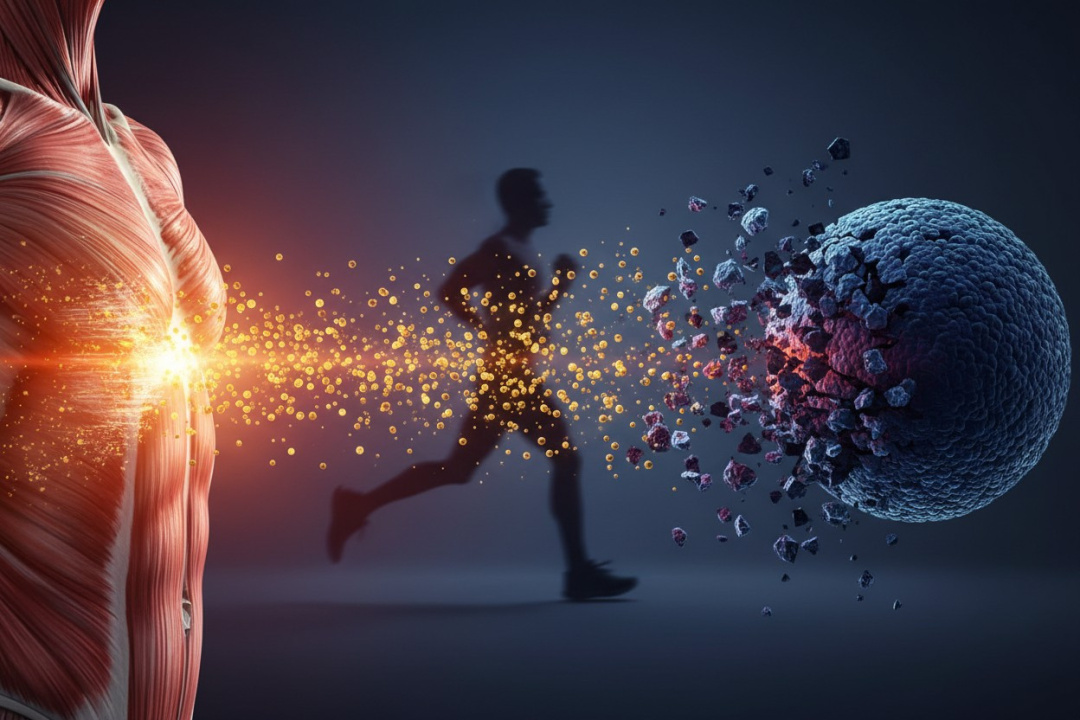
Research from Duke-NUS Medical School suggests that exercise can reactivate a cancer-fighting mechanism in muscle tissue by enhancing the production of extracellular vesicles that…
A new study highlights the critical role of strength training for seniors, linking muscle loss to increased fall risk and reduced cancer suppression. Experts emphasize that engagi…

 Breathing.Food