As we age, our brains undergo significant changes that can affect cognitive health. Understanding these changes helps us adopt lifestyle habits that support brain function. Regular exercise, balanced nutrition, quality sleep, and social engagement are key components to maintaini…
Recent research has uncovered that metformin, a widely used medication for type 2 diabetes, not only lowers blood glucose levels but also affects brain function. This study highli…
Recent research indicates that signals from the gut may influence how food-related experiences are remembered. Conducted by USC researchers, the study found that consuming nutrien…
A recent study from the University of Bristol indicates that regular aerobic exercise significantly alters the nerve clusters that regulate heart function. Published in Autonomic…
A recent study from the Buck Institute for Research on Aging reveals that the APOE2 gene may protect brain cells from DNA damage and cellular aging, potentially lowering the risk…
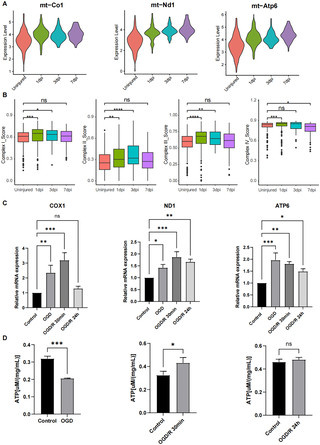
A recent study investigates the dynamics of N1-methyladenosine (m1A) RNA modification in the context of spinal cord injury (SCI). The research reveals that m1A levels fluctuate si…
Stanford Medicine researchers have discovered a naturally occurring molecule named BRP that may suppress appetite and reduce body weight similarly to semaglutide, the active ingre…
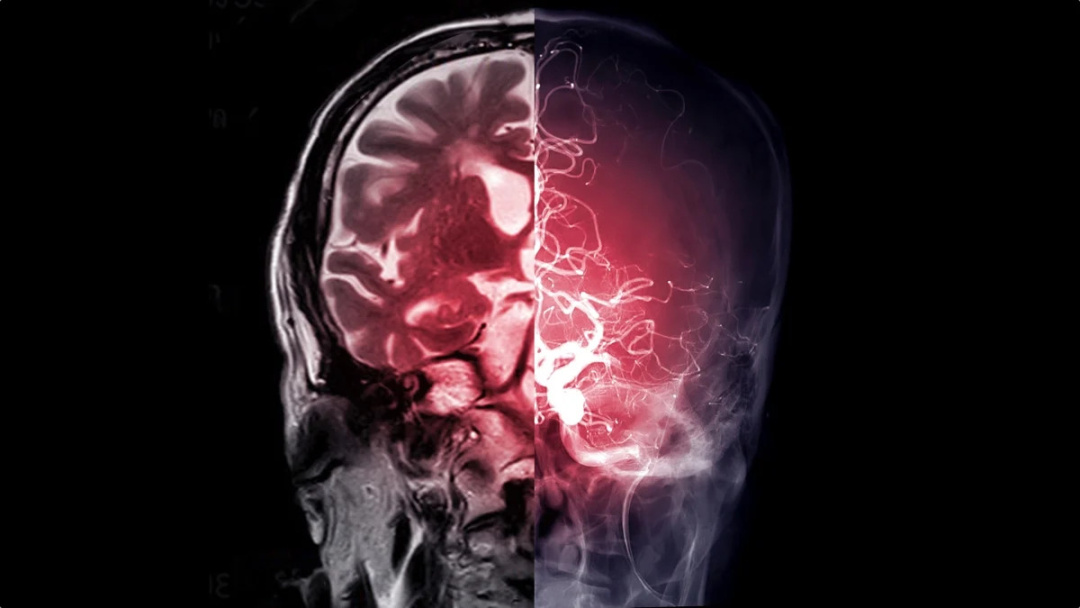
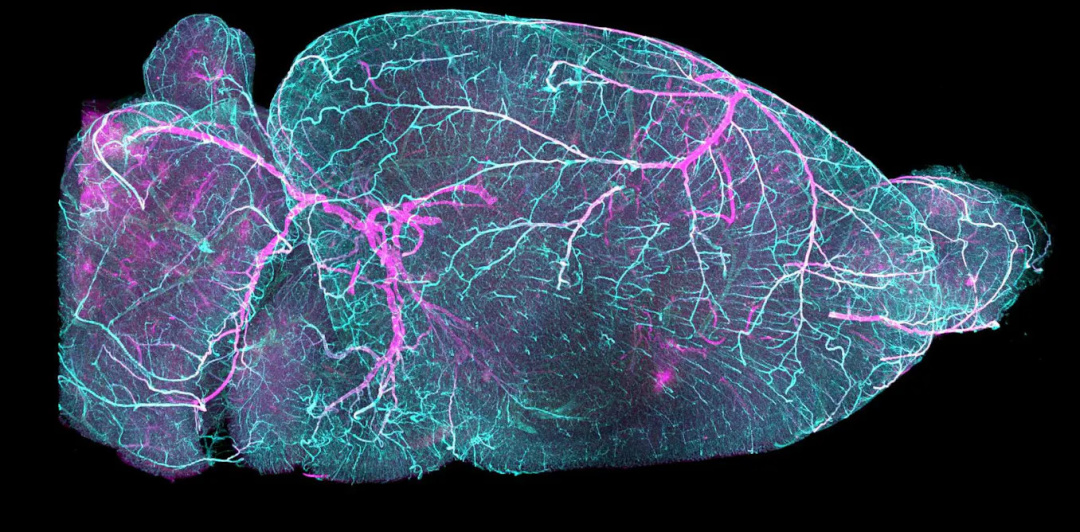
Cerebral small vessel disease (CSVD) significantly increases the risk of stroke and cognitive disorders, affecting over 5 million people in France. While no curative treatment exi…
A recent study reveals that the RNA-binding protein Sex-lethal (Sxl) plays a crucial role in regulating tRNA synthesis and neuronal metabolism in male Drosophila. This research un…
A recent study reveals that peroxisomal import in glial cells is regulated by circadian rhythms, influencing sleep patterns and lipid metabolism in the brain. The research highlig…
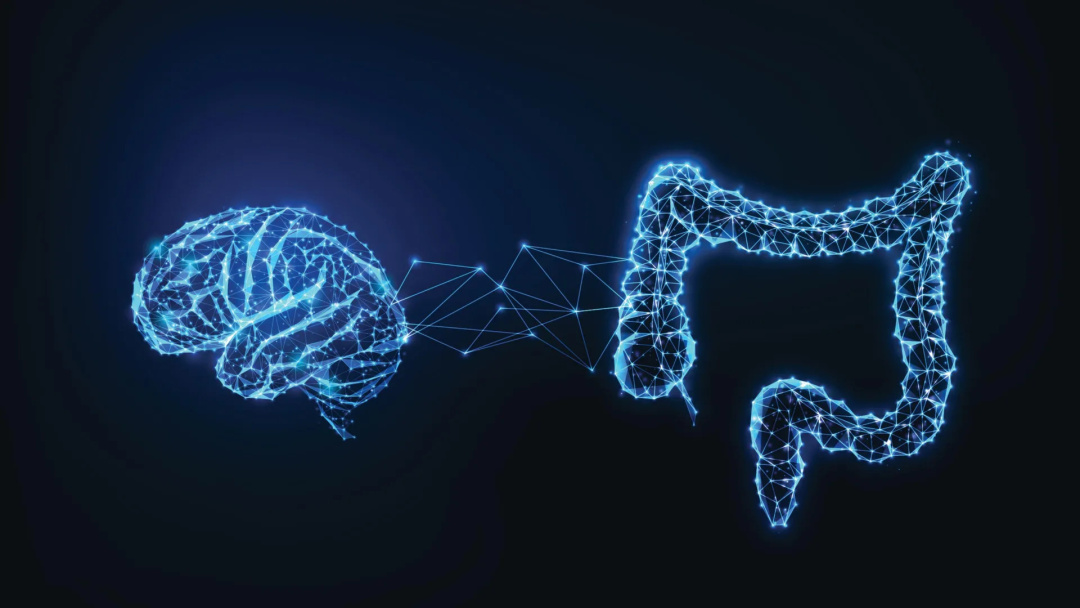
A recent study published in Frontiers in Immunology explores the connection between chronic constipation and the gut-brain axis, suggesting that imbalances in gut microbiota may c…
A groundbreaking genetic study reveals that women must now manage 127 DNA regions to avoid the risk of Alzheimer’s, including 48 newly identified regions.
Havana syndrome, also known as anomalous health incidents, has affected U.S. National Security personnel, leading to symptoms such as vertigo, headaches, and cognitive issues. Res…

 Breathing.Food