Circadian Regulation of Peroxisomal Import in Glia Affects Sleep and Lipid Metabolism
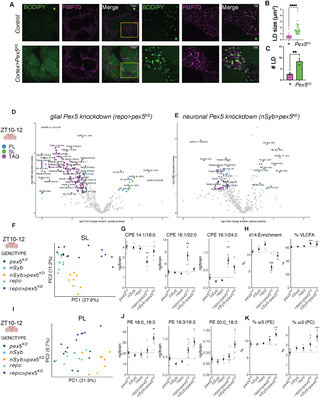
Peroxisomes play a crucial role in detoxifying cellular waste and regulating lipid metabolism, yet the mechanisms behind their protein import across different brain cell types and during various circadian times remain poorly understood. A recent study utilizing the Drosophila brain has uncovered significant insights into this process, particularly focusing on the role of glial cells. Researchers found that peroxisomal proteins are predominantly imported into cortex glia, with this import exhibiting a circadian rhythm that peaks in the early morning. This rhythmic import is dependent on the circadian clock and the protein Peroxin 5 (Pex5), a key factor in peroxisomal biogenesis. Notably, when Pex5 levels were reduced in cortex glia, there was a marked increase in hyperactivity and a decrease in total sleep duration, indicating a direct link between peroxisomal import and sleep regulation. Furthermore, alterations in lipid metabolism were observed, with glial cells affecting sphingolipids and triacylglycerols, while neurons influenced phospholipid levels. These findings underscore the cell-type specificity of peroxisomal import and highlight the unique roles that glia play in both sleep and lipid metabolism within the brain. The study's results suggest that understanding the dynamics of peroxisomal import in glial cells could provide valuable insights into metabolic health and the regulation of sleep, particularly in the context of circadian biology. This research not only advances our knowledge of cellular metabolism but also opens up potential avenues for addressing sleep disorders and metabolic diseases linked to peroxisomal dysfunction.














