Study Suggests Peanuts May Improve Brain Insulin Response in Older Adults
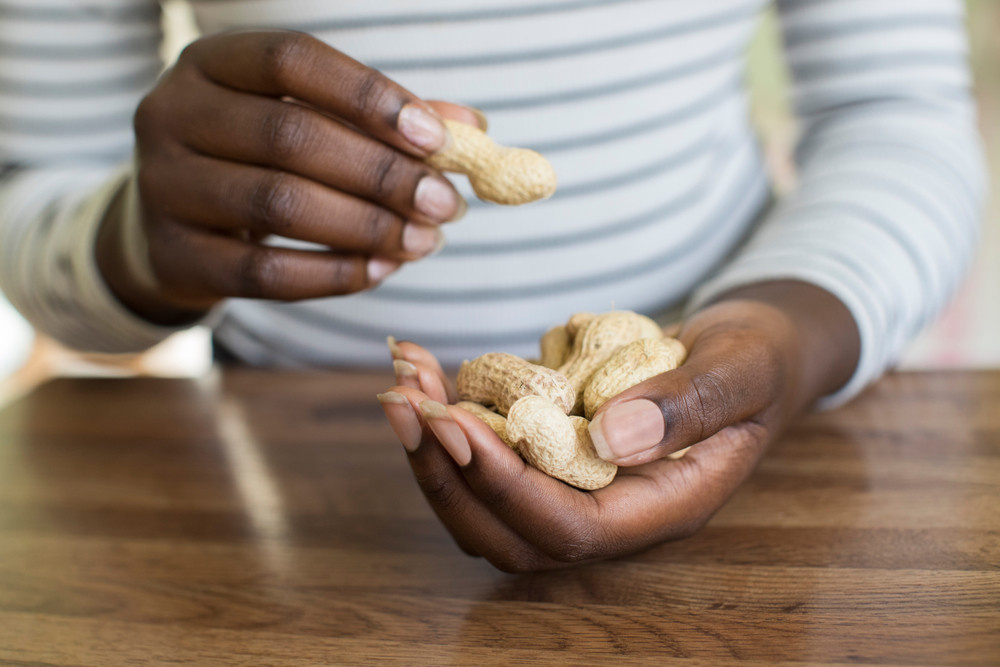
A recent study suggests that incorporating peanuts into the diet may have beneficial effects on brain health, particularly as people age. Researchers from Maastricht University Medical Center in the Netherlands conducted a study involving 31 healthy adults aged between 60 and 75 years. The participants consumed about two servings of unsalted peanuts roasted with their skins on each day for a period of 16 weeks. This was compared to a phase where they avoided peanuts altogether, allowing researchers to assess the differences in brain function related to peanut consumption.
The findings indicated that after the peanut phase, participants exhibited improved insulin responsiveness in various regions of the brain, particularly on the right side. These areas are crucial for memory functions, including parts of the hippocampus. Importantly, these improvements in brain response occurred without any changes in blood sugar levels, insulin levels in the blood, or fat stored in the liver.
Insulin is well-known for its role in regulating blood sugar, but it also plays a vital role in brain health. It aids in the growth, survival, and communication of nerve cells, which are essential for memory and cognitive skills. Dr. Peter Joris, the lead researcher, noted that as individuals age, their brains may become less responsive to insulin, a change that has been linked to cognitive decline. The study's results suggest that enhancing insulin response in memory-related areas could be a key factor in the cognitive benefits associated with peanut consumption.
Nutritional Components of Peanuts and Their Potential Benefits
The researchers believe that the positive effects observed may stem from a combination of nutrients found in peanuts. Peanuts are rich in healthy unsaturated fats, fiber, vitamins, minerals, and natural plant compounds. They are also a good source of plant protein and contain L-arginine, an amino acid that the body uses to produce nitric oxide, which has been associated with improved learning and memory.
Evaluating the Impact of Peanut Consumption on Brain Health
Participants were provided with premeasured packets of peanuts, which they could consume all at once, spread throughout the day, or incorporate into meals. An earlier study from the same research team found that eating peanuts for 16 weeks increased overall blood flow to the brain by 3.6% and improved verbal memory by 5.8%. This increased blood flow is crucial as it delivers oxygen and nutrients necessary for optimal brain function and indicates healthy blood vessels in the brain.
While these findings are promising, it is essential to note that the study was relatively small and focused solely on healthy older adults. Further research involving larger and more diverse populations is needed to explore how different groups may respond to peanut consumption over time. Additionally, while peanuts can be a nutritious addition to the diet, they are high in calories, and individuals with peanut allergies should avoid them entirely. Anyone considering significant dietary changes, particularly those concerned about memory or dementia, should consult with a healthcare professional first.