Meta-Analysis Reveals Soy Isoflavones May Benefit Memory Function
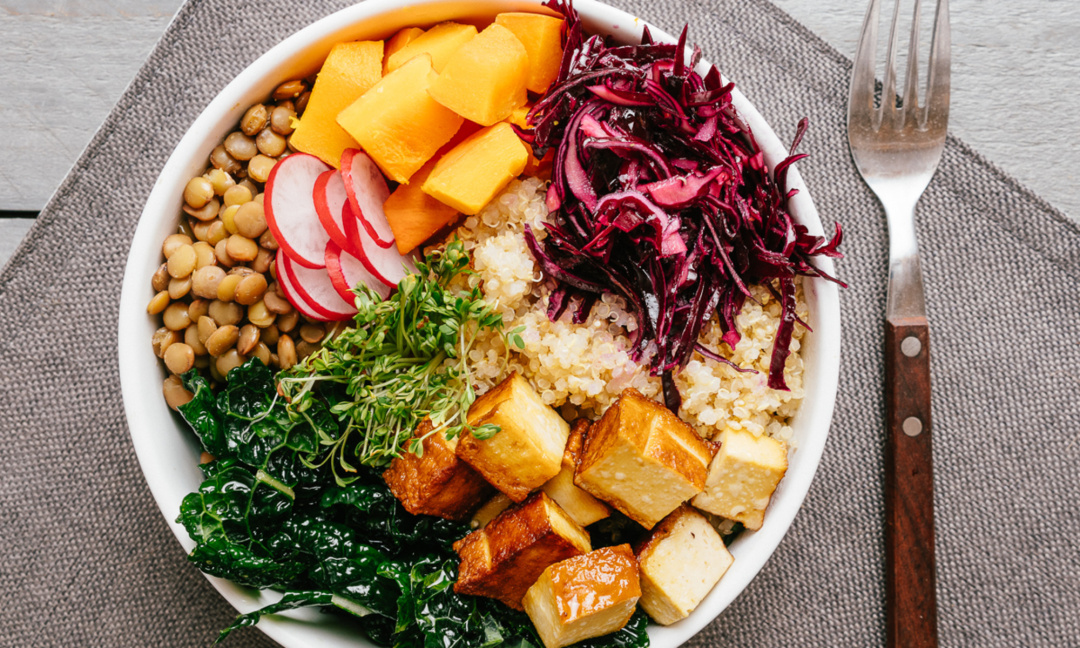
Soy has increasingly become a focal point in discussions surrounding women's health, particularly due to its presence in various foods like tofu, edamame, and soy milk. Researchers have dedicated significant attention to the plant compounds found in soy, especially isoflavones, and their potential implications for cognitive health. This interest stems from isoflavones' ability to interact with estrogen in the body, prompting inquiries into their role in brain function.
A recent meta-analysis synthesized data from 16 randomized controlled trials, encompassing a total of 1,386 participants, primarily postmenopausal women, with an average age of 60. While the studies varied in the amounts of soy isoflavones administered and the duration of the interventions, the collective results provided a clearer understanding of the overall effects than any single trial could offer.
The analysis revealed that soy isoflavones were linked to a modest improvement in cognitive function, with memory being the only area that demonstrated a statistically significant enhancement. Other cognitive skills assessed, including attention, language, executive function, psychomotor speed, and visuospatial reasoning, did not show significant improvements related to soy isoflavone intake.
Importantly, the review noted no major safety concerns, as there were no serious adverse effects reported among those consuming soy isoflavones compared to those on a placebo. This suggests that incorporating soy into the diet may be safe for most individuals.
The researchers proposed a possible explanation for the observed memory benefits, highlighting that certain brain regions involved in memory, such as the hippocampus and prefrontal cortex, contain a high concentration of estrogen receptors. Isoflavones can interact with estrogen receptor beta, which might explain their stronger association with memory enhancement compared to other cognitive functions. However, it is crucial to note that this is a hypothesis rather than a definitive causal relationship.
The findings from this meta-analysis do not establish that soy directly improves memory or prevents dementia. The effect size was small, and the majority of participants were postmenopausal women, raising questions about the generalizability of the results to other demographics. While some trials lasted up to two years, longer studies are necessary to determine if any cognitive benefits persist over time.
Incorporating soy into one's diet does not require meticulous tracking of isoflavone intake; common foods like tofu and soy milk can provide these compounds naturally. Furthermore, soy should not be viewed as a singular solution for brain health. It can complement a balanced diet rich in various nutrients, including protein, fiber, healthy fats, vitamins, and minerals. Diets such as the Mediterranean and DASH have also been associated with cognitive health benefits.
In conclusion, while the meta-analysis indicates a small association between soy isoflavones and improved memory function, further research is essential to clarify the implications of regular soy consumption for long-term cognitive health.