Experts emphasize that for women in their 30s and 40s, eating less does not equate to eating better. Instead, the focus should shift towards nutrient-rich foods that support metabolic health, muscle mass, and overall well-being, especially during the transition to menopause.
At the Socialism 2026 conference in Chicago, activist Da’Shaun L. Harrison criticized the diet industry for its policing of 'Black fat flesh,' labeling modern health standards as…
This article explores how mindful yoga practices can aid in the recovery from eating disorders by promoting body acceptance, self-compassion, and emotional balance. It highlights…
A dietitian shares insights on how to approach conversations with loved ones who may be struggling with eating disorders. Emphasizing empathy and respect, the article outlines the…
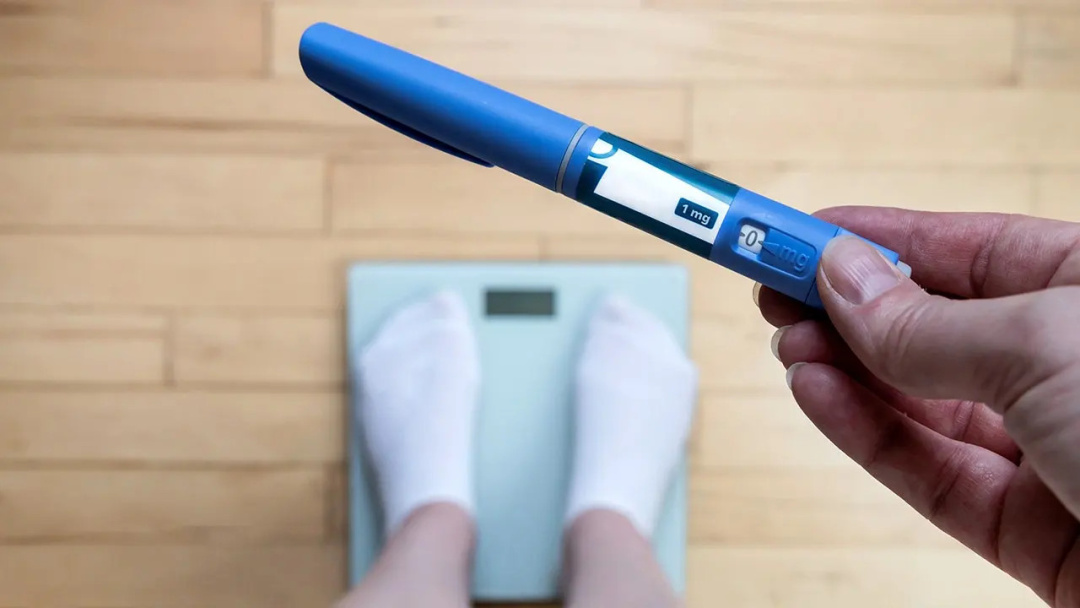
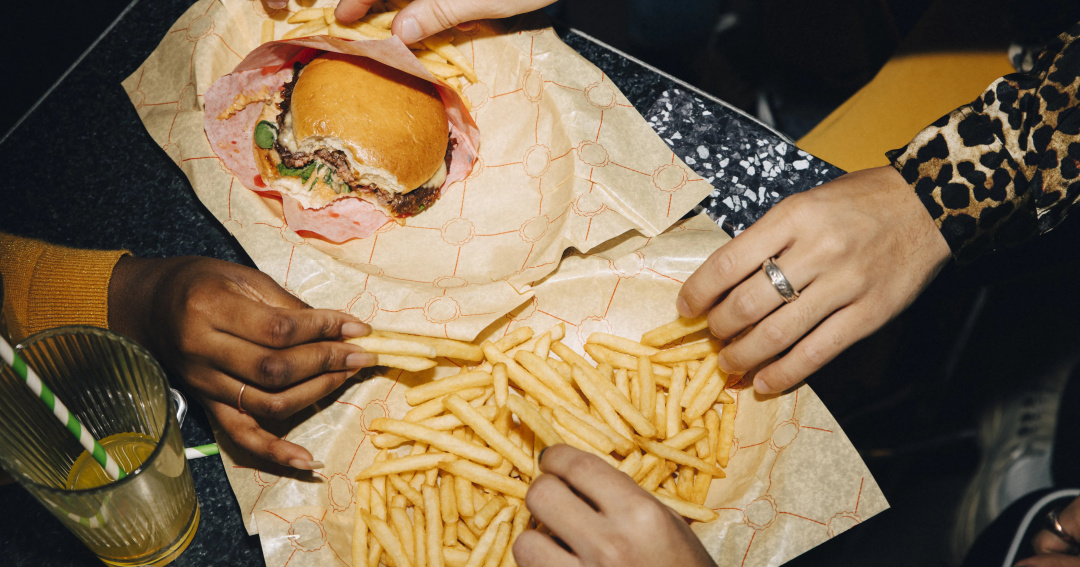
As GLP-1 medications gain popularity, societal attitudes towards dining out are shifting. Many individuals are becoming more conscious of their food choices, often second-guessing…
A growing number of midlife adults, particularly women, are experiencing eating disorders, a phenomenon termed 'menorexia.' This term reflects the intersection of menopause and di…
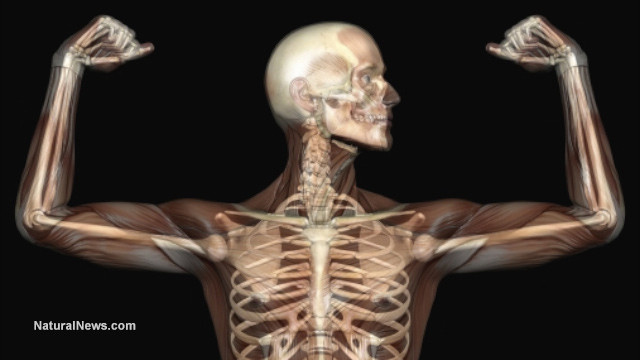
Dr. Gabrielle Lyon, a pioneer in muscle-centric medicine, argues that skeletal muscle is crucial for metabolic health and longevity, challenging conventional weight-loss wisdom. H…
A health journalist shares her experience of feeling overwhelmed by nutrition misinformation on social media and her journey toward intuitive eating. By consciously curating her s…
New wellness industry standards require women to simultaneously embrace and reject wellness trends, leading to an absurd set of contradictory expectations.

 Breathing.Food