Dining Out in the GLP-1 Era: Navigating Food Choices and Social Dynamics
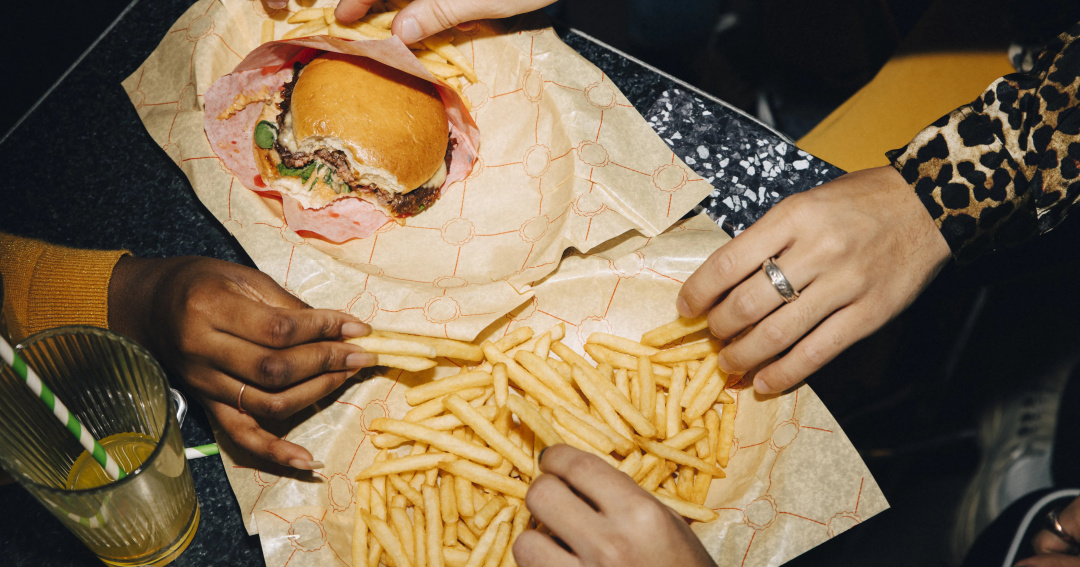
In recent times, the rise of GLP-1 medications has led to noticeable changes in how people approach dining out. Friends who once embraced a carefree attitude towards ordering are now more cautious, often questioning whether to order multiple appetizers or share entrees. This shift may stem from a combination of aging and a heightened awareness of food choices influenced by societal conversations around diet, body image, and the effects of GLP-1s.
Melissa Karp, MS, RD, CDN, APRN, founder of MPM Nutrition, observes that as individuals witness friends and influencers losing weight due to these medications, there is an increased societal focus on body awareness. This does not always translate to healthier eating decisions; rather, it often leads to a preoccupation with food and body image. Karp notes that common themes in discussions with clients include feelings of guilt over food choices and the tendency to compare oneself to others during social meals.
The era of GLP-1s has complicated the progress made in promoting body diversity and acceptance. Karp points out that witnessing weight loss among peers can trigger comparisons, making it difficult to maintain a positive relationship with food. However, it's crucial to recognize that GLP-1 medications can be beneficial for many individuals, helping to reduce the mental burden associated with food. Lauren Manaker, RD, emphasizes that these medications can help patients enjoy their meals without the constant mental calculations regarding calories and portions.
Yet, for those using GLP-1s, new social dynamics emerge. They may find themselves navigating appetite changes and feeling different in group dining situations where sharing is common. Manaker stresses that the essence of dining together—connection—should remain intact, even if appetite changes.
The medications themselves should not be blamed for the pressures individuals feel in today’s dining culture. Both those taking GLP-1s and those who are not are grappling with how to enjoy meals in a landscape that often emphasizes thinness. Karp warns that when medical treatments intersect with societal pressures, they can inadvertently reinforce long-standing diet culture ideals.
Ultimately, the goal for individuals navigating the dining experience in the GLP-1 era should be to remember the deeper significance of meals: nourishment, pleasure, culture, and connection. Karp hopes that as people dine out, they focus on making intentional choices that support their health while still cherishing the communal aspects of eating. The challenge lies not in whether to order fries for the table, but in recalling the true purpose of gathering around a meal—community and support, with the fries being a delightful addition.