Navigating Nutrition Misinformation: A Journalist's Journey to Mindful Eating
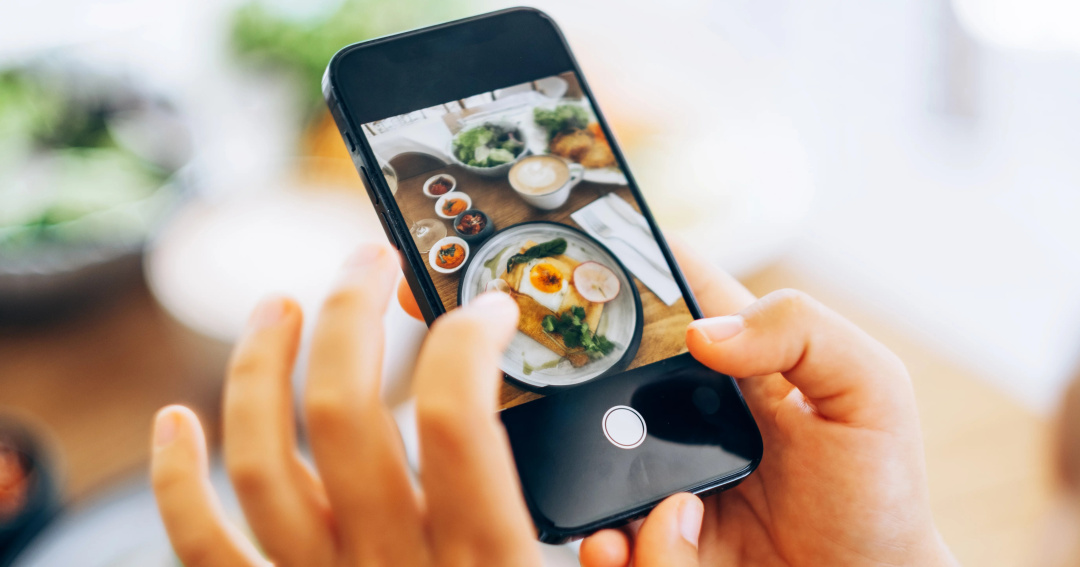
In her early career as a health and wellness journalist, Kristine Thomason felt inundated by the barrage of nutrition news flooding her inbox. Each day brought new foods to avoid, diets promising optimal health, and a shifting landscape of so-called superfoods. This overwhelming environment extended beyond her work life into social media, where food bloggers contributed to a mix of appealing recipes and troubling nutrition misinformation. Faced with this deluge, Thomason embarked on a mission to cleanse her social media algorithm of problematic nutrition content.
Initially paralyzed by the conflicting advice on what to eat, she found herself falling into patterns of disordered eating, often rejecting foods that brought her joy in favor of those deemed "healthier." This realization prompted a significant shift in her mindset, leading her to embrace the principles of intuitive and mindful eating. She learned to listen to her body’s needs without judgment, prioritizing meals that provided energy and satisfaction.
Now, as a woman in her 30s, Thomason reflects on her past and recognizes the importance of a balanced approach to food. She understands that the stress and obsession surrounding food can be more detrimental to health than the actual food choices themselves. Food, she asserts, is not just sustenance; it is also a means of building community, sharing culture, and creating joyful memories.
Despite her personal growth, Thomason notes that social media remains rife with content that perpetuates harmful ideologies about food and nutrition. The rise of platforms like #skinnytok has intensified the spread of diet culture, prompting her to take action by filtering out content that promotes restrictive or fear-based messaging.
During her week of mindful social media consumption, Thomason adopted a critical approach to the nutrition information presented online. She bookmarked posts that intrigued her but made a point to verify their sources before accepting them as valid. She actively eliminated content that featured diet-coded language such as "low-calorie," "cheat meals," and "guilt-free," recognizing these terms as red flags for diet culture.
Thomason also expressed concern over the subtle rebranding of diet culture, where terms like "clean eating" can mask harmful ideologies. She remained vigilant against videos that incited fear or anxiety about food choices, opting instead for content that promotes a balanced and joyful approach to eating.
Ultimately, she emphasizes that training one’s algorithm is about mindfully curating content that fosters a healthy relationship with food, free from guilt and self-punishment. For her, eating well is straightforward: it involves prioritizing whole, nutrient-dense foods, enjoying a variety of fruits and vegetables, and minimizing processed foods. She advocates for removing negativity from the equation, as it only leads to an unhealthy mindset.
Fortunately, Thomason discovered numerous creators on social media who align with her philosophy, sharing recipes and debunking misinformation. One such creator is Sophie Macfie, who focuses on nourishing meals without calorie counting. Thomason’s experience serves as a reminder that while the online landscape can be overwhelming, it is possible to cultivate a feed that inspires and uplifts rather than one that induces stress and confusion.