A recent study from the National Institutes of Health has found a potential connection between two common forever chemicals, PFOA and PFOS, and an increased risk of ER-negative breast cancer. This research highlights the complexities of breast cancer types and the need for furth…
A recent study published in the European Journal of Nutrition indicates that consuming more than two servings of high-sugar foods weekly, including sugary cereals and ice cream, i…
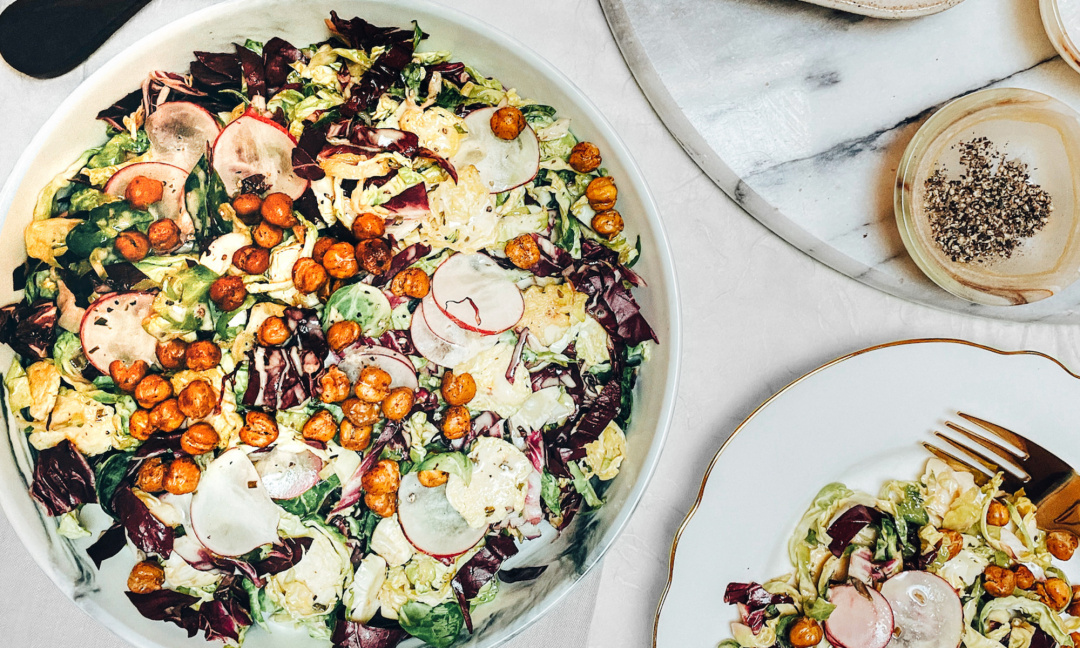
A recent study indicates that women who consume a diverse diet across major food groups may have significantly lower odds of developing breast cancer. The research found that incr…
A recent study highlights the importance of monitoring vitamin D levels throughout breast cancer treatment, revealing that fluctuations in vitamin D status are more indicative of…
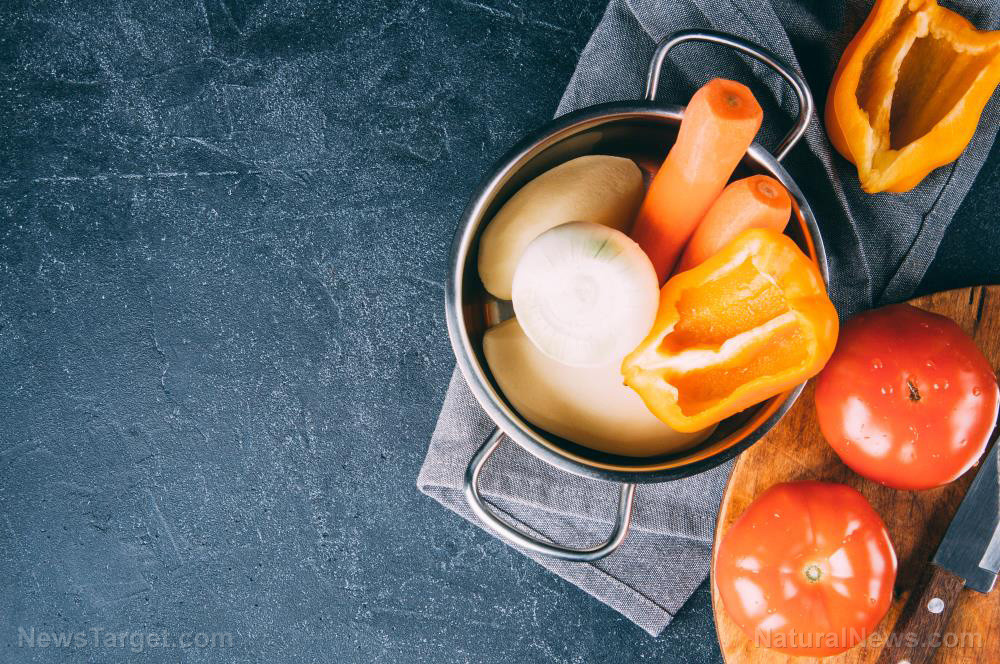
A recent study found that women consuming high amounts of carotenoid-rich foods, such as carrots and sweet potatoes, had a significantly lower risk of breast cancer compared to th…
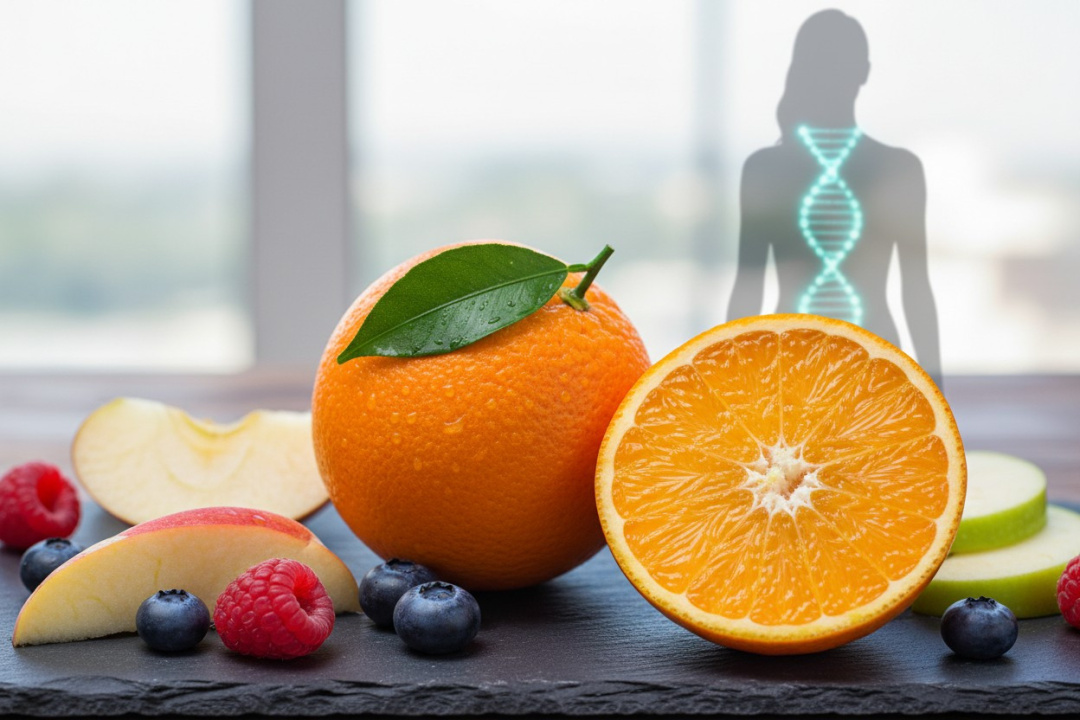
A recent study published in Nature found that higher citrus fruit intake is associated with a lower risk of breast cancer, especially among women with a high genetic predispositio…
A recent study published in The Lancet Oncology reveals that 28% of the global breast cancer burden is linked to modifiable lifestyle factors. This research highlights six key hab…
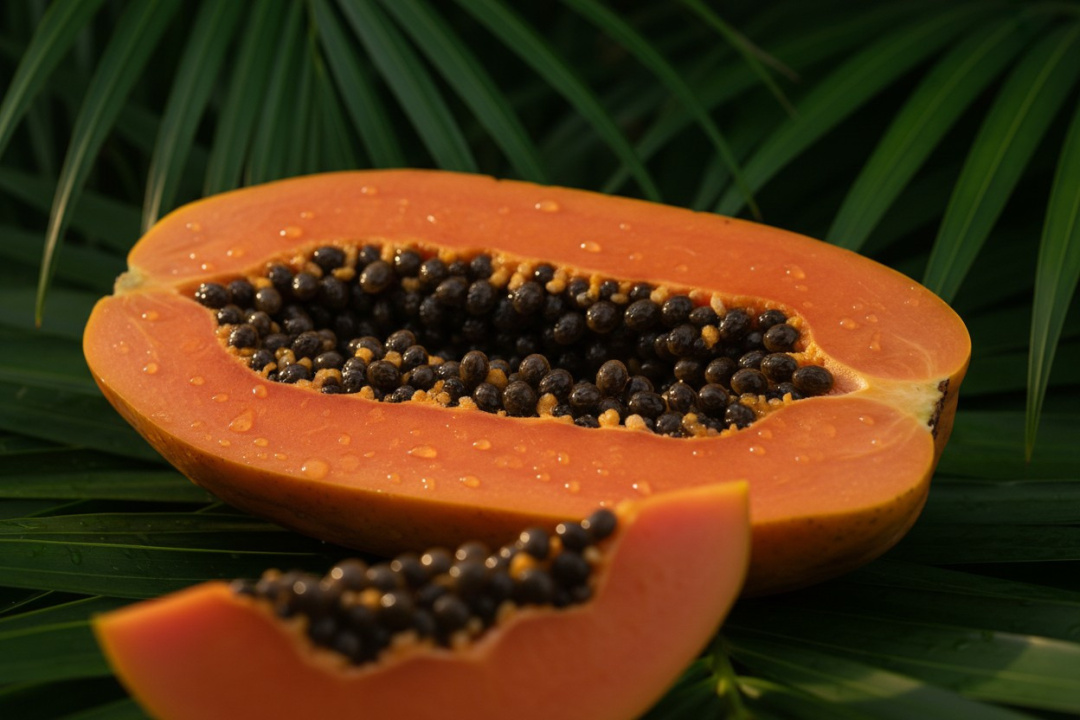
Recent research identifies fresh papaya as a nutrient-dense fruit linked to various health benefits, including immune support, digestive health, and vision improvement. The fruit'…
A recent European study involving over 6,000 women found that higher dietary intake of vitamins B2 and B12 is associated with a modestly lower risk of breast cancer, particularly…

 Breathing.Food