Study Links Carotenoid-Rich Foods to Reduced Risk of Breast Cancer
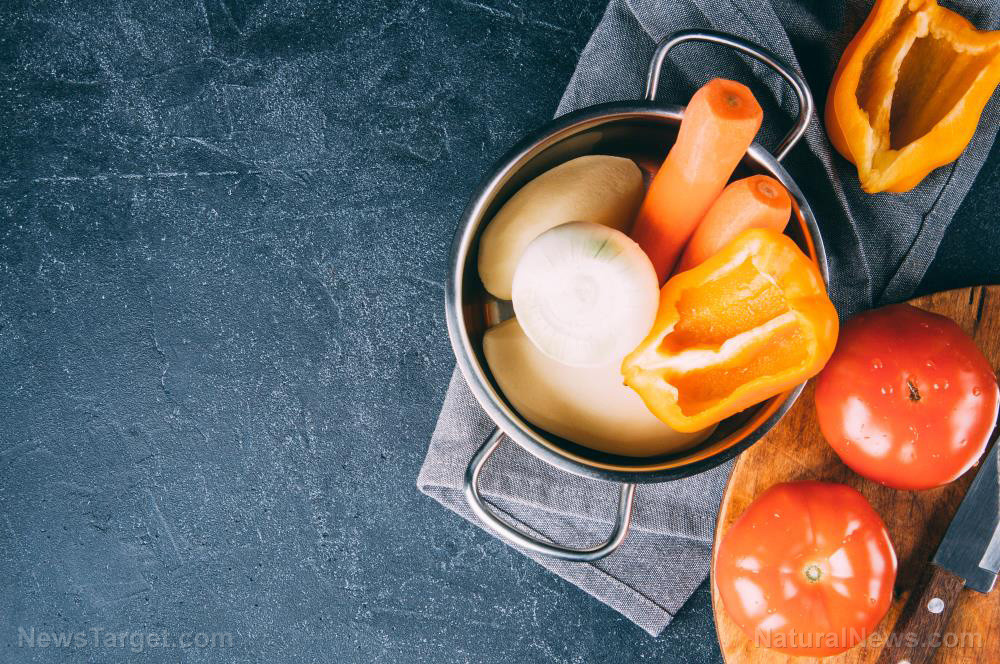
A case-control study has revealed that women diagnosed with breast cancer who consumed the most carotenoid-rich foods had up to a 75% lower risk of the disease compared to those who ate the least. The research, which utilized a detailed food frequency questionnaire to assess dietary habits over several years, highlights the protective benefits of carotenoids, which are plant pigments found in red, orange, and yellow produce. Key foods identified in the study include carrots, sweet potatoes, and red peppers, which are linked to significant reductions in breast cancer risk.
The findings, published in a peer-reviewed journal, suggest that a diet rich in these colorful fruits and vegetables could play a crucial role in cancer prevention. This aligns with previous research from the University of Hong Kong, which also indicated that increased fruit and vegetable intake could drastically lower breast cancer risk and recurrence.
The study's analysis showed a dose-response relationship, meaning that the protective effect of carotenoids strengthened with higher consumption levels. Researchers noted that the benefits of carotenoids extend beyond breast cancer, with other studies indicating potential protective associations for cognitive function, eye health, and cardiovascular outcomes.
For instance, a 2025 study found that provitamin A carotenoids, particularly from carrots and sweet potatoes, were linked to improved cognitive function in older adults. Additionally, the Age-Related Eye Disease Study indicated that substituting beta-carotene with lutein and zeaxanthin could lower the risk of advanced macular degeneration.
However, researchers cautioned against high-dose beta-carotene supplements, which have previously been associated with increased lung cancer risk among smokers. This underscores the importance of obtaining carotenoids from whole foods rather than isolated supplements, as whole foods provide a complex array of nutrients and fiber that contribute to their protective effects.
Dietitians recommend incorporating a variety of carotenoid-rich vegetables into daily meals, emphasizing the need to consume these foods with healthy fats to enhance absorption. For example, roasting carrots, sweet potatoes, and red peppers in olive oil can aid in the absorption of these fat-soluble pigments. Furthermore, rotating different colored produce throughout the week can ensure a broad spectrum of nutrients, with tomatoes and watermelon providing lycopene, another beneficial carotenoid.
The study also highlighted the importance of maintaining a balanced intake of other nutrients, such as vitamin C, vitamin D, and zinc, which support immune function and cellular repair. Overall, the accumulated evidence points to a strong link between carotenoid-rich foods and lower breast cancer risk, with significant implications for public health, particularly given that many Americans do not meet recommended fruit and vegetable intake levels.