Nutritional Research Highlights Health Benefits of Fresh Papaya
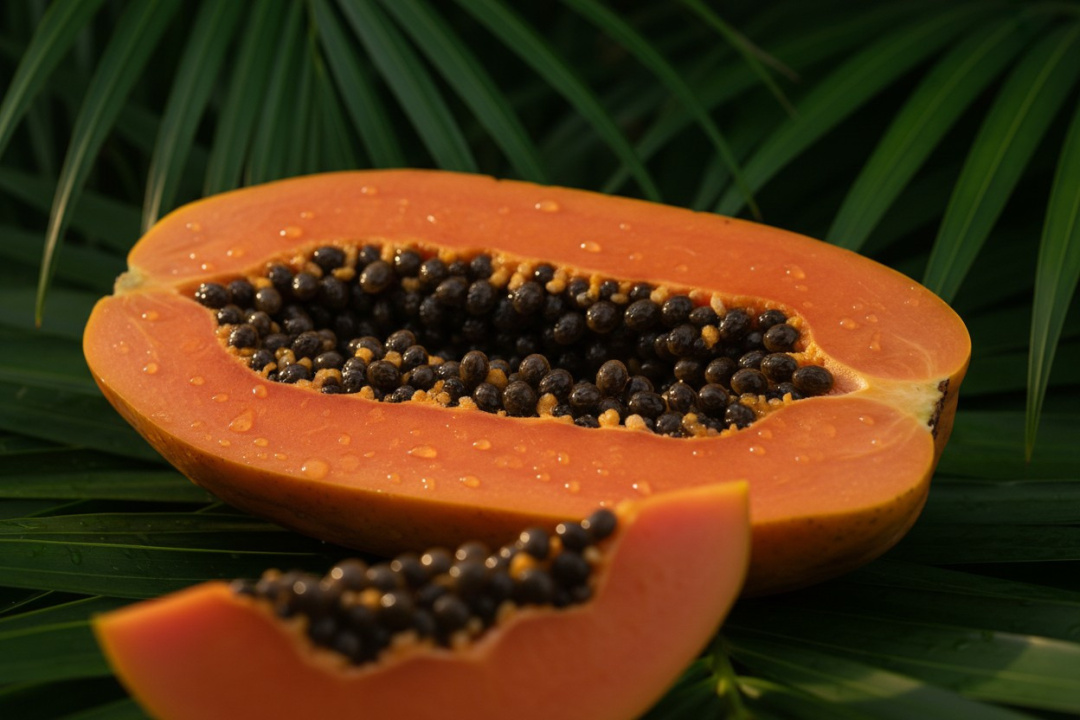
A report released in 2026 by registered dietitians has identified fresh papaya among 22 fruits recognized for their health benefits, emphasizing its nutrient density and scientific backing. Papaya is rich in vitamins C and A, fiber, and the digestive enzyme papain, as noted in a February 2026 analysis. The antioxidants found in papaya, such as lycopene, are suggested to support heart health and reduce inflammation, according to the report.
The fruit's high vitamin C content is a significant factor in its association with immune health. Vitamin C is essential for the body to combat infections and aids in wound healing, as the body does not produce it independently. A single cup of papaya provides a substantial portion of the daily recommended intake of this vital nutrient.
Research has also linked papaya's antioxidant properties to a decreased risk of certain diseases. The antioxidants present in papaya, including lycopene, are documented to bolster the immune system. The fruit's historical use in traditional medicine has led to increased interest from modern pharmaceutical industries in exploring its medicinal applications, particularly its anti-inflammatory properties.
Nutritional data indicates that papaya consists of approximately 88% water and is high in fiber, which promotes digestive regularity and may help prevent hemorrhoids. Additionally, dietary fiber is associated with maintaining healthy blood sugar and cholesterol levels, according to dietary guidelines.
Beyond its fiber content, papaya is noted for its digestive health benefits. The enzyme papain is recognized as a crucial component of its ability to support digestion. The 2020-2025 Dietary Guidelines for Americans recommend that adults consume 1.5 to 2 cups of fruit daily, highlighting the importance of including fruits like papaya in a balanced diet.
Papaya is also a source of beta-carotene, which the body converts into vitamin A, essential for vision and cell growth. While carrots are often associated with beta-carotene, research has indicated that the beta-carotene in papaya is significantly more bioavailable than that found in carrots or tomatoes. Furthermore, the antioxidants in papaya may help slow the progression of age-related macular degeneration.
Studies have shown that extracts from papaya possess anti-inflammatory properties. Research published in The Natural Products Journal suggests that papayas may reduce inflammation throughout the body. The fruit's anti-inflammatory and antidiabetic properties have been acknowledged in traditional medicine, with researchers noting their potential health benefits.
The antioxidants in papaya, particularly lycopene and vitamin C, are also thought to lower the risk of certain cancers. Lycopene, a potent phytonutrient found in papaya, has been studied for its role in supporting heart, bone, and skin health. Some research has specifically investigated the potential of these compounds to reduce breast cancer risk in individuals with a family history of the disease.
Investigations into fermented papaya powder have explored its potential to slow the progression of Alzheimer's disease, emphasizing the role of antioxidants in addressing neurodegenerative conditions. However, researchers note that further studies are necessary to determine the effects of consuming whole papaya on brain health.
While papaya is generally safe to eat, certain precautions are advised. Individuals with a latex allergy may experience allergic reactions to papaya, and unripe papaya is not recommended for pregnant women. Ripe papaya, identifiable by its yellow-orange skin, can be enjoyed in various culinary applications, including smoothies and salads.
A one-cup serving of papaya contains around 62 calories and provides essential nutrients such as potassium and folate. With its high vitamin C and fiber content, papaya is considered a valuable addition to a balanced diet, as recommended by nutritionists.