Citrus Intake Linked to Lower Breast Cancer Risk in High Genetic Risk Women
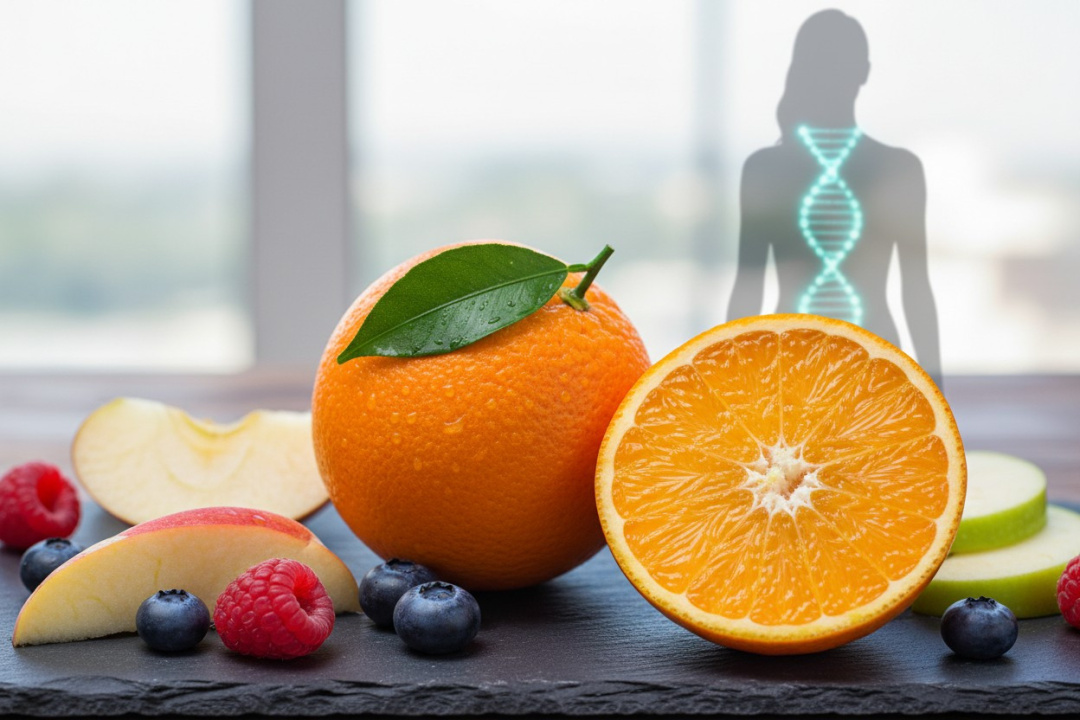
A large study published in Nature has revealed a significant link between citrus intake and a reduced risk of breast cancer, particularly in women identified as having a high genetic risk. The research, which followed 93,271 women enrolled in the UK Biobank over a median period of 11.8 years, found that 3,110 participants developed breast cancer during the study period. Notably, oranges were associated with a 17 percent lower risk, while apples contributed to a 10 percent reduction. These results remained consistent even after controlling for the effects of red wine consumption, thereby ruling out alcohol as a confounding factor.
Each participant was assessed using a polygenic risk score derived from 168 genetic markers linked to breast cancer. The findings indicated that women with the highest genetic risk faced more than double the likelihood of developing breast cancer compared to those with the lowest scores. However, the study also highlighted the significant impact of dietary choices within this high-risk group. Women who scored highest on the Flavodiet Score, which evaluates the intake of flavonoid-rich foods, experienced a 29 percent reduction in breast cancer risk compared to those with the lowest scores.
The study identified proanthocyanidins, a subclass of flavonoids found in apples, grapes, and berries, as having the strongest protective association against breast cancer. Citrus fruits, including oranges, are rich in vitamin C, folate, potassium, and flavonoids, all of which contribute to overall health. The fiber content in whole citrus fruits also supports gut health, which has been increasingly linked to lower inflammation levels in the body.
The researchers emphasized that consuming whole citrus fruits, rather than juices, is beneficial due to the higher fiber content that aids digestion and helps maintain stable blood sugar levels. They recommended that individuals incorporate whole organic oranges into their diets, suggesting that visibility of fruit can promote healthier snacking habits. For instance, adding orange segments to salads or blending them with berries can enhance dietary variety and intake of protective flavonoids.
While the study underscores the role of diet in breast cancer risk, it also acknowledges that genetics and other factors, such as toxin exposure and chronic inflammation, play crucial roles in cancer development. Critics noted that conventional medical training often overlooks the importance of nutrition in preventing diseases like cancer, which is a gap that needs addressing.
The findings point to the potential of dietary strategies in reducing cancer risk, especially for those with genetic predispositions. Resources like the Stop Cancer Docu-Class aim to educate individuals on food-based strategies for lowering cancer risk, highlighting the importance of understanding the interplay between diet and health outcomes.