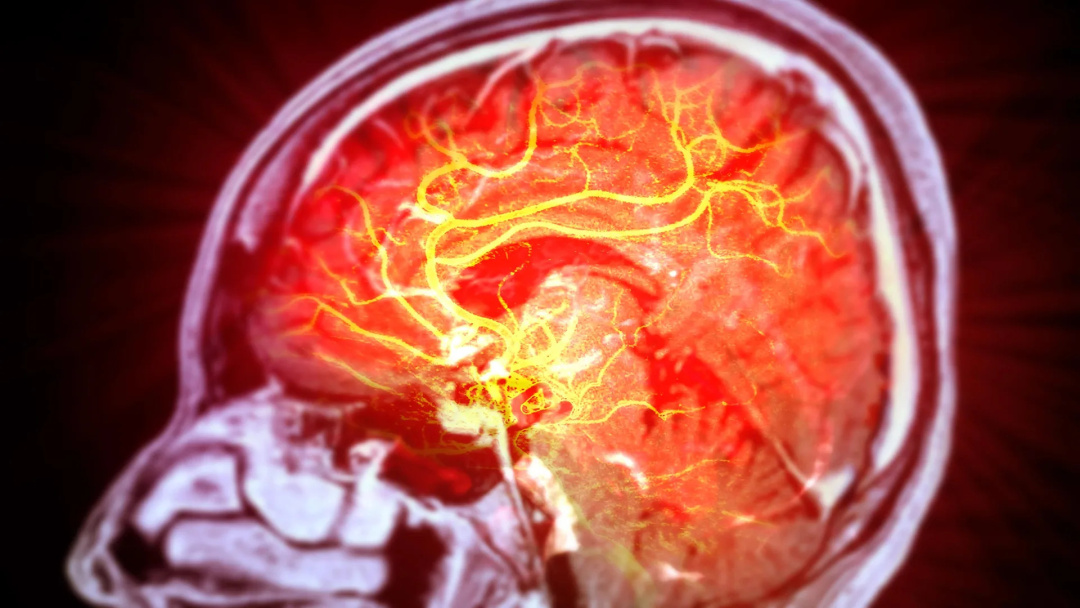
New research presented at the European Society of Cardiology Congress suggests that high blood levels of xylitol, a common sugar substitute, may be associated with an increased risk of serious cardiovascular events. The study analyzed data from nearly 18,000 participants and fou…
A recent study from Columbia University challenges existing assumptions about tau proteins, which play a critical role in the progression of Alzheimer's disease. The findings sugg…
Research indicates that several daily lifestyle habits can help preserve long-term memory and reduce the risk of cognitive decline. Key habits include regular physical activity, a…
A dietitian shares her experience with a brain health supplement, creatine brain+, which combines creatine monohydrate and citicoline. After one week of use, she reports improved…
A recent study published in Scientific Reports indicates that accelerated biological aging in midlife is associated with a higher risk of dementia in women, but not in men. The re…
Research on brain foods suggests that cognitive health is influenced more by overall dietary patterns than by individual superfoods. The MIND diet, a combination of the Mediterran…
B vitamins, essential for energy conversion and nervous system health, can be obtained from various foods rather than supplements. This article highlights nutrient-rich options su…
The World Health Organization has updated its guidelines on dementia risk reduction, adding seven new risk factors such as stroke, sleep apnea, HIV, and air pollution. This update…
Researchers at the University of South Carolina have developed a drug that transforms astrocytes into neurons, demonstrating potential to reverse Alzheimer's symptoms in mice. Thi…
A recent report highlights the healthiest fish options based on their omega-3 fatty acid content and lower mercury levels. Salmon, sardines, mackerel, and anchovies are recommende…
Researchers have developed a nanoparticle treatment that encourages the generation of new brain cells, successfully reversing cognitive decline in an animal model of Alzheimer's d…
Recent research from Columbia University reveals that individuals with major depressive disorder may experience a disruption in their brain's ability to generate new neurons. This…
Recent research highlights the potential benefits of creatine supplementation combined with strength training for perimenopausal women experiencing brain fog and muscle loss. The…
A new regimen for anti-aging medications now includes a daily dose of rapamycin alongside weekly self-affirmations and monthly spa visits to maintain optimal brain health and fend…
A recent study suggests that freediving, an extreme sport involving prolonged breath-holding, may lead to significant changes in brain connectivity, particularly in areas related…
Havana syndrome, also known as anomalous health incidents, has affected U.S. National Security personnel, leading to symptoms such as vertigo, headaches, and cognitive issues. Res…

 Breathing.Food