Choosing Fish: Health Benefits of Omega-3s and Mercury Risks
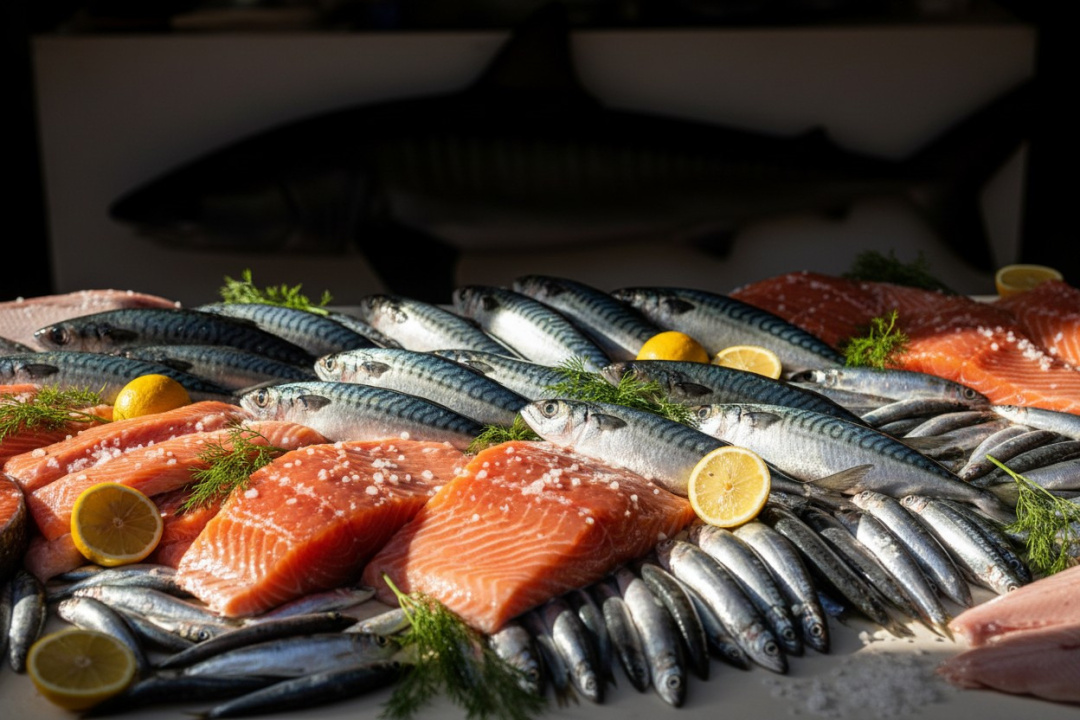
Fish serves as a vital source of protein for billions globally, with a typical 150g serving providing about 50-60% of an adult's daily protein needs. A report from Health.com identifies certain fish as healthier choices due to their omega-3 fatty acid content and lower mercury levels. Specifically, salmon, sardines, mackerel, and anchovies are highlighted for their high omega-3 content, which is linked to heart and brain health. The American Heart Association notes that wild-caught salmon offers approximately 1.5 grams of omega-3 per 3-ounce serving, making it a recommended option by nutritionists for its beneficial EPA and DHA content.
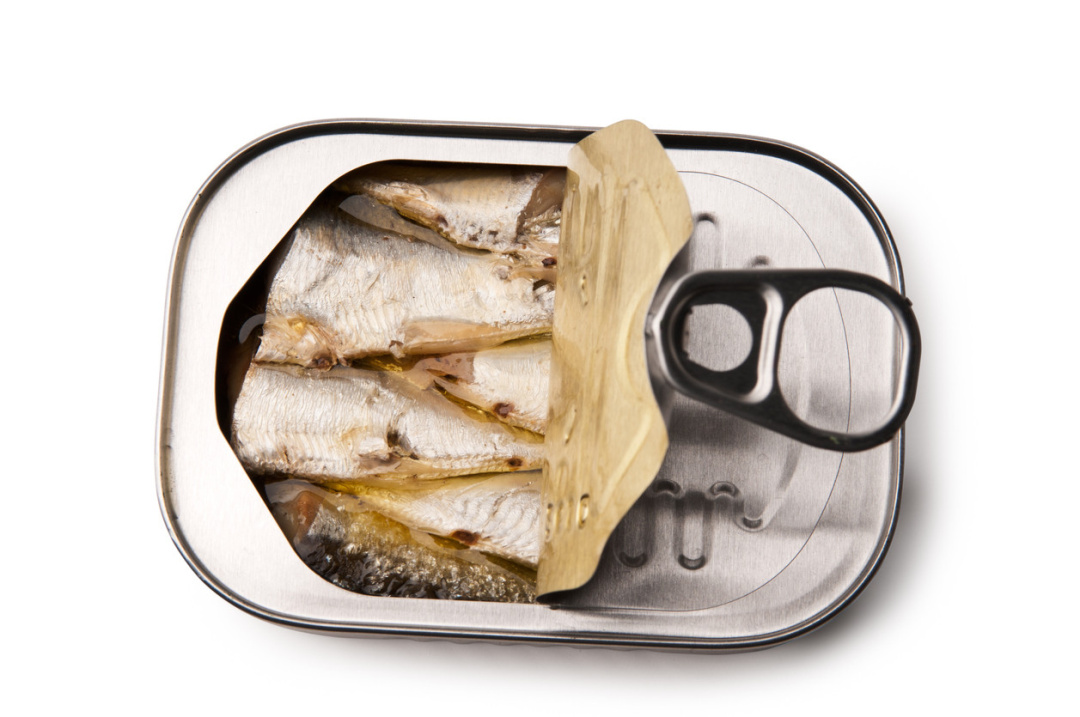
Oily fish such as salmon, mackerel, anchovies, and sardines are rich in omega-3 fatty acids, known for their anti-inflammatory properties and benefits to brain function and nervous system development. These essential fatty acids, EPA and DHA, have gained attention for their health-promoting capabilities. Fatty fish like salmon and sardines are particularly noted for their ability to reduce inflammation and lower the risk of heart disease. Nutritional research has consistently identified seven fish species associated with supporting brain health, including wild-caught salmon, mackerel, sardines, herring, trout, anchovies, and tuna.
Conversely, the report warns against consuming large predatory fish such as shark, swordfish, king mackerel, and tilefish, which are known to have high mercury levels, according to the FDA. Mercury exposure can be especially harmful to developing nervous systems, leading the FDA to advise pregnant women and young children to avoid these fish altogether. Even tuna, particularly albacore, contains moderate mercury levels, with a recommended maximum consumption of 6 ounces per week for adults.
The report further emphasizes that pregnant women and those planning to become pregnant should avoid shark, swordfish, king mackerel, and tilefish due to potential mercury contamination. The accumulation of toxic substances like methylmercury occurs as smaller organisms at the bottom of the food chain become contaminated, which then affects larger predatory fish.
Wild-caught salmon, sardines, anchovies, herring, cod, and haddock are recommended for their omega-3s, vitamins, and minerals while being low in harmful toxins. In contrast, large predatory fish accumulate dangerous levels of mercury and pollutants. The article also discusses the differences between farmed and wild-caught fish, noting that while some studies suggest farmed salmon has higher omega-3s, it may also contain more fat. Environmental factors, including fishing methods and farming practices, play a role in determining the sustainability of fish.
Experts recommend consuming a variety of low-mercury fish to maximize health benefits while minimizing risks. The FDA and EPA guidelines suggest eating 2 to 3 servings of low-mercury fish weekly, with a standard serving size of 4 ounces for adults. The report encourages incorporating a variety of the healthiest fish into one's diet to enjoy the benefits while adhering to safety guidelines.
Despite the health benefits, the report highlights the risks of contamination even in healthy foods. Native tribes in the Columbia River Basin face significant toxic exposure risks through their primary food source—salmon. A joint investigation revealed that the U.S. government has not preserved wild salmon populations effectively, impacting the health of these communities. Consumers are advised to remain vigilant about sourcing and to follow local advisories regarding fish consumption.