A recent study published in Nature reveals that rare mutations in the FNIP1 gene may help individuals burn fat instead of storing it, potentially lowering their risk of diabetes and heart disease. Researchers found that these mutations, present in about 1 in 7,000 people, signif…
A recent study involving over one million participants has identified a rare gene variant in FNIP1 that is associated with a significantly reduced risk of diabetes and heart disea…
A recent study published in Nutrients suggests that individuals with metabolic dysfunction-associated liver disease (MASLD) who consume tomatoes daily may experience a reduction i…
Research indicates that frequent sauna use may be associated with significant reductions in risks for all-cause mortality, stroke, and dementia. Studies published in reputable med…
A recent meta-analysis of 13 randomized controlled trials indicates that time-restricted eating (TRE) offers benefits similar to traditional calorie counting for managing blood su…
A major study from Cedars-Sinai Health Sciences University indicates that higher coffee consumption is associated with lower risks of cirrhosis, liver cancer, and liver-related de…
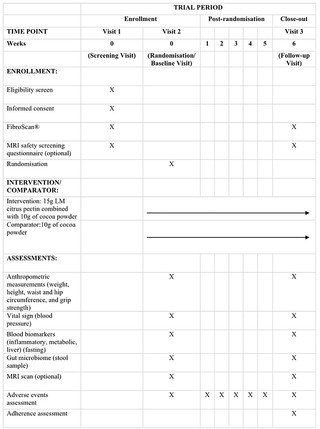
A new clinical trial protocol aims to investigate the effects of pectin supplementation on systemic inflammation, gut microbiome, and metabolic health in patients with Metabolic D…
A recent study published in Clinical Gastroenterology and Hepatology suggests that coffee consumption may significantly reduce the risk of severe liver disease, liver cancer, and…
Fatty liver disease, also known as metabolic dysfunction-associated steatotic liver disease (MASLD), is increasingly prevalent, affecting an estimated 1.3 billion people globally…

 Breathing.Food