Rising Cases of Fatty Liver Disease Highlight Need for Dietary Interventions
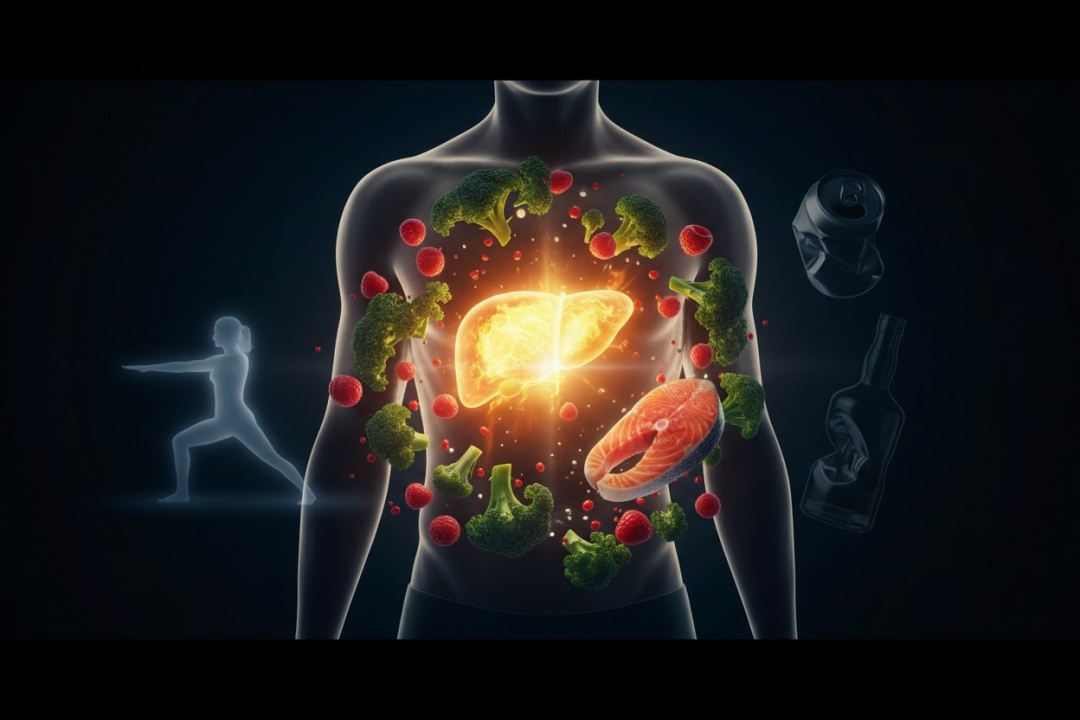
Fatty liver disease, referred to as metabolic dysfunction-associated steatotic liver disease (MASLD), is a growing health concern, with cases surging by 143% since 1990. A global analysis published in The Lancet Gastroenterology & Hepatology indicates that approximately 1.3 billion people were affected by MASLD in 2023, with projections suggesting this number could rise to 1.8 billion by 2050. The condition is often linked to obesity, Type 2 diabetes, high cholesterol, and excessive alcohol consumption, according to health authorities.
As of 2012, around 14% of the American population was diagnosed with Type 2 diabetes, while 38% were classified as pre-diabetic, highlighting a significant public health issue. Without intervention, fatty liver disease can progress to more severe conditions such as cirrhosis and liver cancer. A notable legal case involves a Pennsylvania teenager who filed a lawsuit against several major food manufacturers, claiming that ultra-processed foods contributed to his development of fatty liver disease and Type 2 diabetes.
Recent research underscores the potential benefits of dietary changes. A meta-analysis published in February 2025 found that individuals adhering to healthier eating patterns, as measured by the Healthy Eating Index (HEI), had a 32% lower risk of chronic liver disease. Similarly, those scoring high on the Alternative Healthy Eating Index (AHEI) experienced a 29% reduction in risk. Specific foods that are beneficial for liver health include berries, leafy greens, cruciferous vegetables, and omega-3-rich fish like salmon. Omega-3 fatty acids are particularly noted for their ability to lower triglyceride levels, which is crucial for managing fatty liver.
Clinical trials have also shown promise for curcumin, a compound found in turmeric, which has been associated with reductions in liver fat and inflammation among obese and diabetic populations. However, caution is advised regarding supplements marketed for liver health, as high doses or toxic components can pose risks.
The consumption of sugar-sweetened and artificially sweetened beverages has been linked to a 60% increased risk of liver disease, according to a study tracking UK Biobank participants. Additionally, research indicates that a high-fat diet combined with liquid fructose can accelerate liver fat accumulation.
Health experts emphasize that alcohol consumption can exacerbate liver conditions, particularly in individuals already suffering from fatty liver disease. Recommendations include limiting refined carbohydrates and processed foods to support liver health. Notably, a weight loss of 5-10% can significantly improve liver health, and consistent physical activity has been shown to yield benefits even without weight loss.
While early-stage fatty liver can often be reversed through dietary and lifestyle changes, advanced stages may not respond to diet alone, necessitating medical intervention. Individuals seeking personalized advice are encouraged to consult healthcare professionals or registered dietitians for tailored guidance.