Daily Tomato Consumption Linked to Reduced Liver Fat in MASLD Patients
Metabolic dysfunction-associated liver disease (MASLD) encompasses various liver issues, with hepatic steatosis, or fat accumulation in the liver, being a primary concern. For a diagnosis of MASLD, individuals must also exhibit at least one cardiometabolic risk factor, such as obesity or hypertension. Dietary and lifestyle modifications are often recommended for managing MASLD, prompting researchers to investigate specific food choices that may aid in treatment.
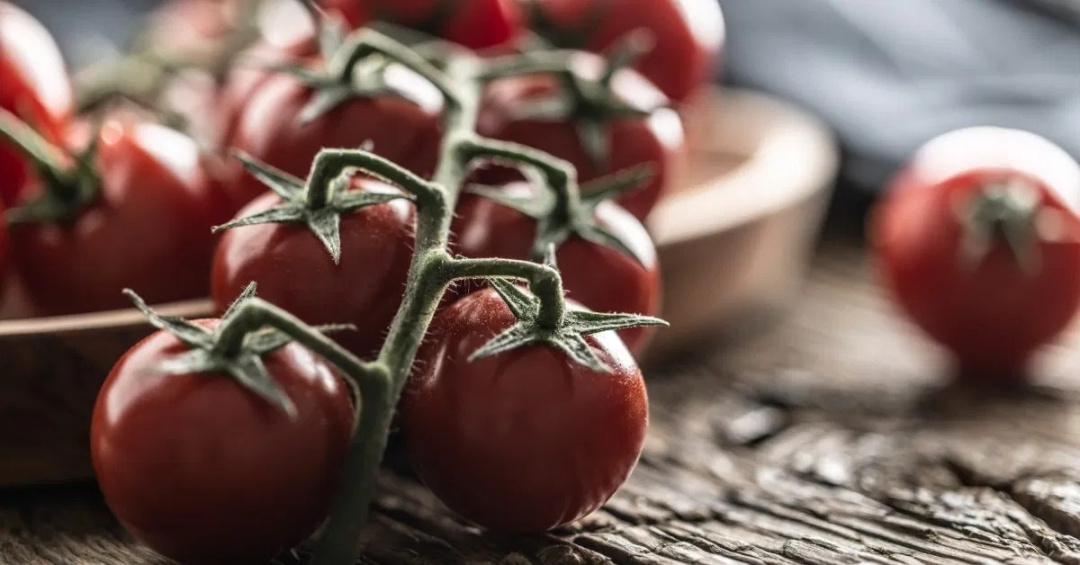
A study published in the journal Nutrients aimed to assess the effects of tomato consumption on individuals diagnosed with MASLD. The research involved 79 adult participants who were divided into two groups: one group followed a control diet devoid of tomatoes, while the other consumed 200 grams of raw tomatoes and 50 grams of tomato sauce daily for six weeks. All tomato products were sourced from the same producer, and participants were instructed to maintain their usual lifestyle aside from the dietary intervention.
At the end of the six-week period, both groups exhibited a decline in hepatic steatosis; however, the reduction was significantly greater in the group consuming tomatoes. The study's findings suggest that regular tomato consumption may contribute to decreased fat accumulation in the liver, independent of major changes in body weight or overall adiposity. Despite these promising results, the authors emphasize that further research is necessary to validate these findings and explore the long-term implications of tomato intake on liver health.
The study's design included specific exclusions, such as participants with a body mass index (BMI) over 30, which may limit the applicability of the results to the broader population. Additionally, most participants were men, highlighting a need for more balanced demographic representation in future studies. Experts not involved in the research, such as endocrinologist Dr. Randa Abdelmasih and internist Dr. Jonathan Jennings, pointed out that the study's conclusions should be interpreted cautiously due to its limited scope and the nature of the participant selection.
The authors of the study acknowledge that while the reduction in liver fat is noteworthy, it does not translate into significant improvements in other health indicators, such as liver stiffness or lipid profiles. They stress that the study primarily serves as a preliminary exploration, generating hypotheses for future research rather than providing definitive dietary recommendations.
In conclusion, while the study indicates a potential benefit of incorporating tomatoes into the diet for individuals with MASLD, it is essential to consider these findings within the broader context of metabolic disease management. Individuals should consult healthcare professionals when making dietary changes, especially since tomatoes may not be suitable for everyone, particularly those with gastroesophageal reflux disease (GERD). The research underscores the importance of a comprehensive approach to managing liver health, where dietary interventions complement other established treatments.