New research presented at the NUTRITION 2026 conference indicates that older women who practice time-restricted eating within an eight to nine-hour window may experience cognitive improvements compared to those who eat over a longer period. The study involved 47 postmenopausal w…
A pilot study presented at NUTRITION 2026 indicates that time-restricted eating may enhance cognitive function in older women beyond weight loss effects. Conducted by Rutgers Univ…
A recent study suggests that metformin, a common medication for type 2 diabetes, may reduce the blood sugar-lowering benefits typically associated with high-intensity exercise. Th…
A recent study from the Framingham Heart Study Offspring Cohort suggests that a pro-inflammatory diet may contribute to smaller brain volume in adults. Researchers analyzed dietar…
A study from Rutgers University suggests that time-restricted eating may offer cognitive benefits beyond weight loss for older women. Participants who followed a restricted eating…
A recent study published in npj Aging suggests that lower sugar consumption during the first 1,000 days of life may significantly reduce the risk of developing Alzheimer's disease…
Recent research indicates that certain vitamins, minerals, and fatty acids may support brain health, memory, and cognitive function. Key nutrients include B vitamins, vitamin E, v…
Research involving 4,656 Colombian adults aged 60 and older indicates that low grip strength, rather than obesity, correlates with higher odds of cognitive impairment and probable…
A recent laboratory study published in the journal Nutrients found that polyphenols from sorghum can significantly reduce the accumulation of amyloid-beta proteins in brain cells,…
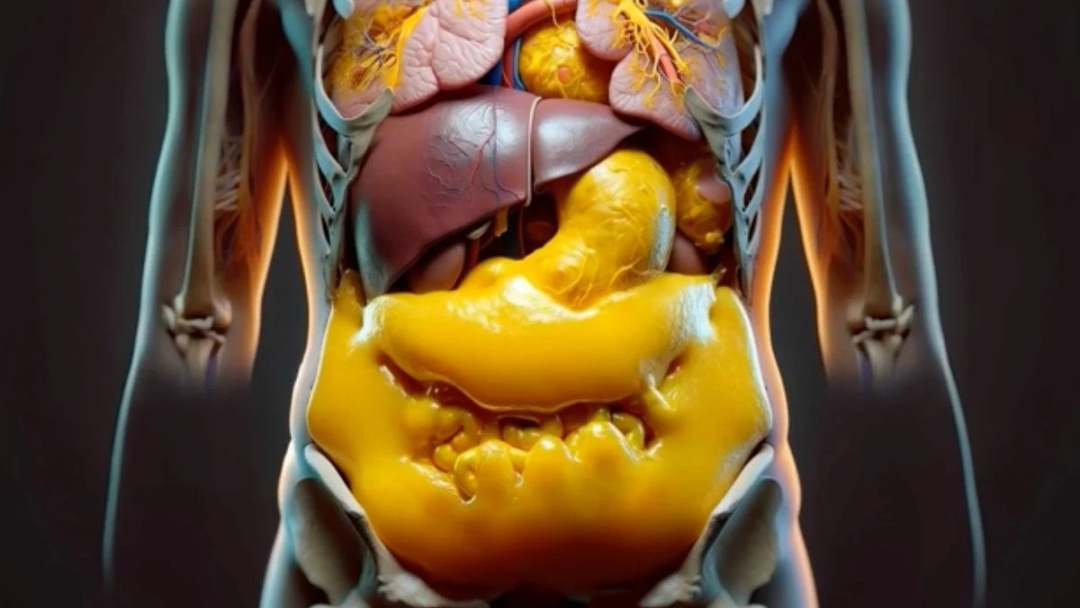
Recent research indicates that the location of body fat is significantly associated with brain aging. A study involving over 18,000 participants from the UK Biobank reveals that v…
Recent discussions surrounding vegan diets highlight potential health risks, particularly concerning nutritional deficiencies that can arise from eliminating meat and dairy. Exper…
Recent studies highlight two specific daily habits—regular aerobic walking and self-testing—that have been shown to significantly improve memory retention. Research indicates that…
Recent research highlights the potential benefits of creatine supplementation combined with strength training for perimenopausal women experiencing brain fog and muscle loss. The…
A new regimen for anti-aging medications now includes a daily dose of rapamycin alongside weekly self-affirmations and monthly spa visits to maintain optimal brain health and fend…
A recent study suggests that freediving, an extreme sport involving prolonged breath-holding, may lead to significant changes in brain connectivity, particularly in areas related…
Havana syndrome, also known as anomalous health incidents, has affected U.S. National Security personnel, leading to symptoms such as vertigo, headaches, and cognitive issues. Res…

 Breathing.Food