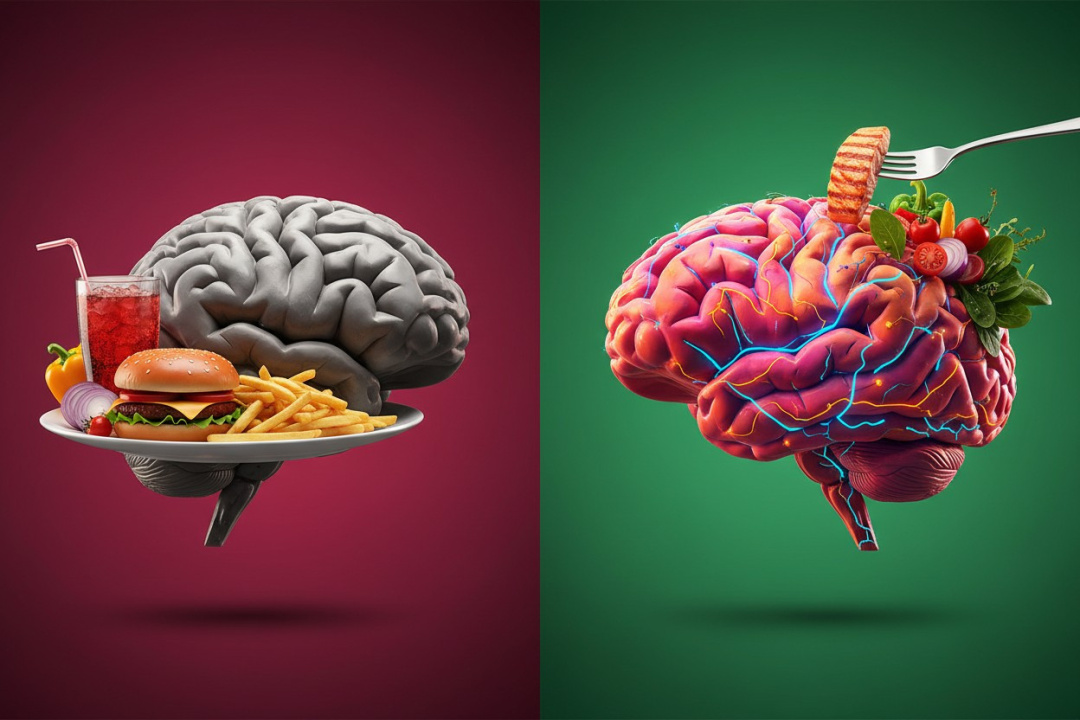
Study Links Pro-Inflammatory Diet to Reduced Brain Volume

The foods we consume play a significant role in influencing inflammation throughout the body, which can extend to brain health. A recent analysis of data from the Framingham Heart Study Offspring Cohort has shed light on the relationship between diet and brain volume, suggesting that a pro-inflammatory diet may lead to reduced brain size. This investigation involved 1,897 adults with an average age of 62, who completed food frequency questionnaires over several study visits spanning approximately seven years. Researchers utilized these questionnaires to estimate participants' usual eating habits and assigned each individual a Dietary Inflammatory Index (DII) score, a tool designed to gauge the inflammatory potential of their overall diet. Higher DII scores indicate a more pro-inflammatory dietary pattern, while lower scores reflect a more anti-inflammatory approach.
In addition to dietary assessments, the researchers examined brain MRI scans of the participants, focusing on various markers of brain aging and cerebrovascular health, including total brain volume, gray matter volume, and indicators of small vessel disease. After adjusting for variables such as age, sex, education, smoking habits, physical activity, and other health conditions, the findings revealed that participants with higher DII scores tended to exhibit smaller total brain volumes.
Interestingly, the study did not find significant associations between dietary inflammatory potential and other brain measures, such as hippocampal volume, white matter hyperintensities, or cerebral microbleeds. While some degree of brain volume loss is a normal aspect of aging, the accelerated shrinkage observed in this study has been linked to cognitive decline and an increased risk of dementia, indicating early signs of brain aging that may not immediately affect memory.
However, it is important to note that this study is cross-sectional, which means that researchers cannot definitively conclude whether diet directly influences brain structure or if other contributing factors are at play. The DII score reflects the overall combination of foods and nutrients consumed, and previous research has indicated that Mediterranean-style diets, which are rich in fruits, vegetables, legumes, whole grains, olive oil, and fish, are associated with lower levels of inflammatory markers in the body.
Chronic inflammation can lead to damage in blood vessels, increase oxidative stress, and disrupt communication between brain cells. Over time, these changes may contribute to the gradual loss of brain tissue and elevate the risk of neurodegenerative diseases. Many dietary habits linked to lower inflammation also promote heart health, metabolic health, and overall healthy aging. Incorporating minimally processed, fiber-rich foods, along with healthy fats such as olive oil and omega-3-rich fish, may be beneficial for maintaining brain health and reducing inflammation.