Study Links Body Fat Distribution to Brain Aging Risks
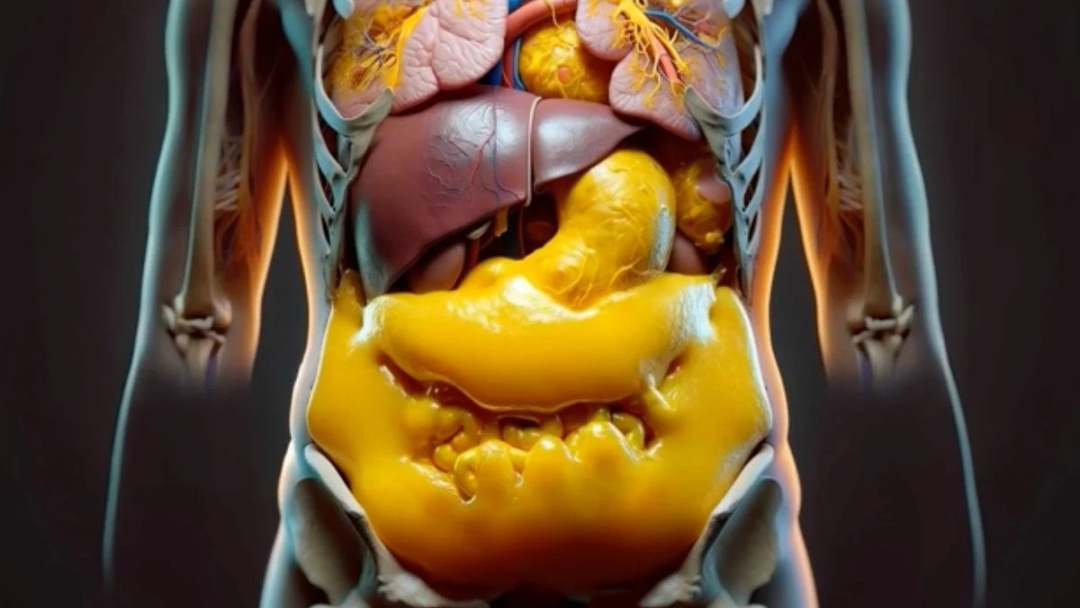
Recent findings from a study published in Nature Mental Health reveal a significant link between body fat distribution and brain aging, emphasizing that it is not just the amount of fat one carries, but where it is located that matters. Conducted by researchers at The Hong Kong Polytechnic University, this study analyzed data from over 18,000 participants in the UK Biobank dataset, marking it as the first large-scale multimodal investigation into the relationship between fat location and brain structure, connectivity, and cognitive performance. The researchers discovered that different types of body fat correlate with distinct changes in brain systems, which cannot be discerned through body weight or BMI alone. Anqi Qui, a neuroinformatician involved in the study, stated, "Fat in different parts of the body maps out entirely different trajectories of change in the brain." Specifically, visceral fat—fat that accumulates around internal organs—was found to be the only type directly associated with damage to the brain's white matter, which is crucial for neuronal signaling. This white matter damage is closely linked to conditions that precede dementia, such as vascular cognitive impairment. The study suggests that chronic low-grade inflammation caused by visceral fat may contribute to neuroinflammation in the brain, leading to these detrimental changes. While the study's observational nature means it cannot definitively establish causation, it underscores the potential for targeted lifestyle interventions to reduce visceral fat and possibly mitigate risks for neurodegenerative diseases. The researchers advocate for further exploration into how regional adiposity can be modified to improve health outcomes, highlighting that reducing visceral fat could be a proactive strategy for preventing cognitive decline. Overall, this research provides valuable insights into the complex relationship between body fat distribution and brain health, paving the way for future studies aimed at unraveling these connections further.