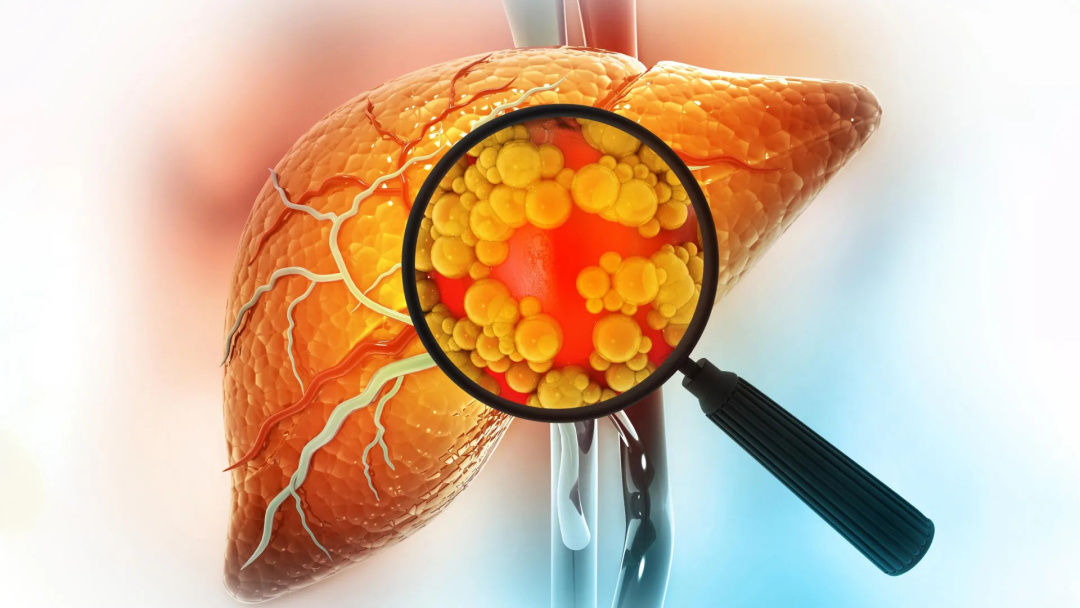
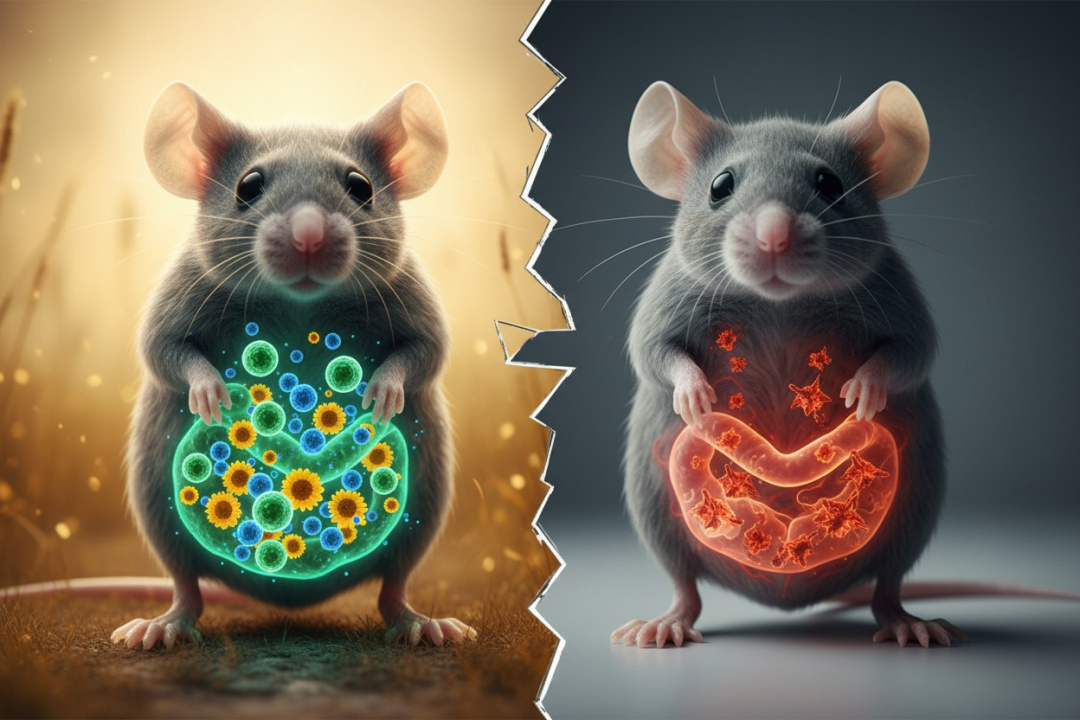
A recent study presented at the Endocrine Society’s annual meeting revealed that a sucrose-free, low-fat diet caused significant disruptions in the gut microbiome of mice, leading to metabolic issues. Researchers from the Dasman Diabetes Institute in Kuwait tracked various healt…
A recent study indicates that brazzein, a sweet protein derived from the West African oubli plant, may help lower blood sugar spikes in individuals with metabolic dysfunction. Con…
A recent study published in Clinical Nutrition ESPEN suggests that brazzein, a protein found in a West African fruit, could serve as a healthier sugar substitute. The study showed…
Recent research highlights monk fruit's potential health benefits, shifting focus from its role as a zero-calorie sweetener to its bioactive compounds that may combat aging and ch…
A recent review of 53 studies indicates that stevia, a natural sweetener, may possess anti-inflammatory properties beyond its role as a sugar substitute. While the findings are pr…
A recent study from Washington University in St. Louis highlights potential metabolic risks associated with sorbitol, a sugar alcohol found in many sugar-free products. Researcher…
Recent research presented at a European Society of Cardiology conference indicates that high blood levels of xylitol, a common sugar substitute, are associated with an increased r…
A recent study by the European Society of Cardiology has revealed a concerning association between the artificial sweetener xylitol and an increased risk of heart attacks and stro…
New research presented at the European Society of Cardiology Congress suggests that high blood levels of xylitol, a common sugar substitute, may be associated with an increased ri…
Researchers have developed a new artificial sweetener named sweelin, which is 3,500 times sweeter than sucrose and does not raise insulin levels. A clinical trial showed that swee…
 Breathing.Food