Study Reveals Metabolic Risks of Sorbitol, a Common Sugar Substitute
Sugar substitutes are frequently marketed as healthier alternatives to refined sugars, such as glucose. Among these substitutes is sorbitol, commonly found in sugar-free candies, gums, and other low-calorie foods. However, emerging research complicates the notion that these alternatives are inherently healthier. A study published in Science Signaling by researchers at Washington University in St. Louis indicates that sorbitol may have metabolic effects that challenge its safety profile.
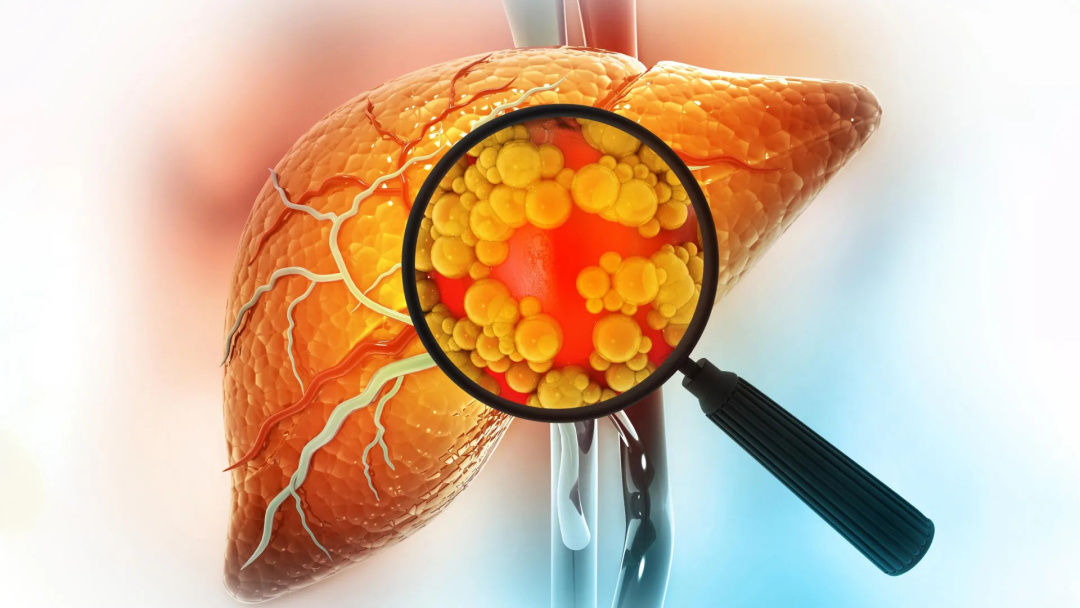
The study, led by Gary Patti, a professor of chemistry and genetics at WashU Medicine, builds on earlier research examining the effects of fructose on the liver. Patti's previous investigations revealed that fructose metabolism can be exploited by cancer cells, promoting their growth, and has been linked to non-alcoholic fatty liver disease, a condition affecting approximately 30% of adults worldwide. The new findings raise alarms about sorbitol due to its close metabolic relationship with fructose. Patti described sorbitol as being "one transformation away from fructose," suggesting that the body can convert it into a form that may have similar adverse effects.
In their experiments, researchers utilized zebrafish to track sorbitol's metabolic fate. Sorbitol is not only ingested through food but can also be produced in the intestine from glucose after meals. The study found that the amount of sorbitol produced depends on the intake of glucose and sorbitol, as well as the gut microbiota present. This variability creates multiple pathways through which fructose-related compounds can enter the liver.
Historically, sorbitol production has been associated with diabetes, where elevated glucose levels trigger its synthesis. However, the zebrafish studies revealed that even healthy individuals can produce significant amounts of sorbitol when glucose levels rise after eating. Patti noted, "It can be produced in the body at significant levels, but if you have the right bacteria, turns out, it doesn't matter."
Certain gut bacteria can degrade sorbitol, converting it into harmless byproducts. This microbial process may determine whether sorbitol remains in the gut or is absorbed into the bloodstream. If beneficial bacteria are lacking, sorbitol can accumulate and reach the liver, where it can be converted into fructose derivatives.
The implications of these findings are particularly relevant for those with diabetes or metabolic disorders who often opt for sugar-free products to avoid the health risks associated with regular sugar. Understanding whether these alternatives provide a healthier metabolic outcome is crucial.
At low levels, such as those found in fruits, gut bacteria effectively manage sorbitol. However, when sorbitol intake exceeds the microbes' processing capacity—either through high glucose consumption or direct sorbitol intake—the situation can become problematic. Even individuals with beneficial bacteria may overwhelm their gut's ability to handle excess sorbitol.
Sorbitol, classified as a polyol or sugar alcohol, is favored for its sweetness and lower calorie content compared to regular sugar. A common belief is that these compounds pass through the body without significant metabolic effects. However, this study suggests a more complex reality.
Patti's laboratory aims to further investigate how gut bacteria metabolize sorbitol, but preliminary evidence indicates that sorbitol does not remain confined to the digestive tract. "We do absolutely see that sorbitol given to animals ends up in tissues all over the body," he stated.
These findings underscore a broader lesson regarding alternative sweeteners: substituting regular sugar with another sweetener does not necessarily eliminate metabolic consequences. As Patti succinctly put it, "there is no free lunch" when it comes to seeking out sugar alternatives, especially when various metabolic pathways can lead to liver dysfunction. This research was supported by the National Institutes of Health, with grants R35ES028365 and P30DK056341.