ApoB is a crucial protein linked to cardiovascular risk, and adopting specific diet and lifestyle habits can help lower its levels. This article outlines five effective strategies, including increasing soluble fiber intake, choosing healthier fats, engaging in regular physical a…
A recent review of 16 randomized trials involving 245 athletes indicates that the 16:8 time-restricted eating (TRE) schedule can lead to slight reductions in body weight and body…
A new approach from Dr. Rocío Salas-Whalen emphasizes the importance of preserving muscle mass while using GLP-1 medications for weight loss. By focusing on adequate protein intak…
A recent study suggests that engaging in high-intensity interval training (HIIT) just once a week can effectively reduce belly fat, similar to spreading the same workout time acro…
DEXA scans provide valuable insights into body composition, helping individuals understand their lean muscle and fat distribution. This test, primarily known for assessing bone de…
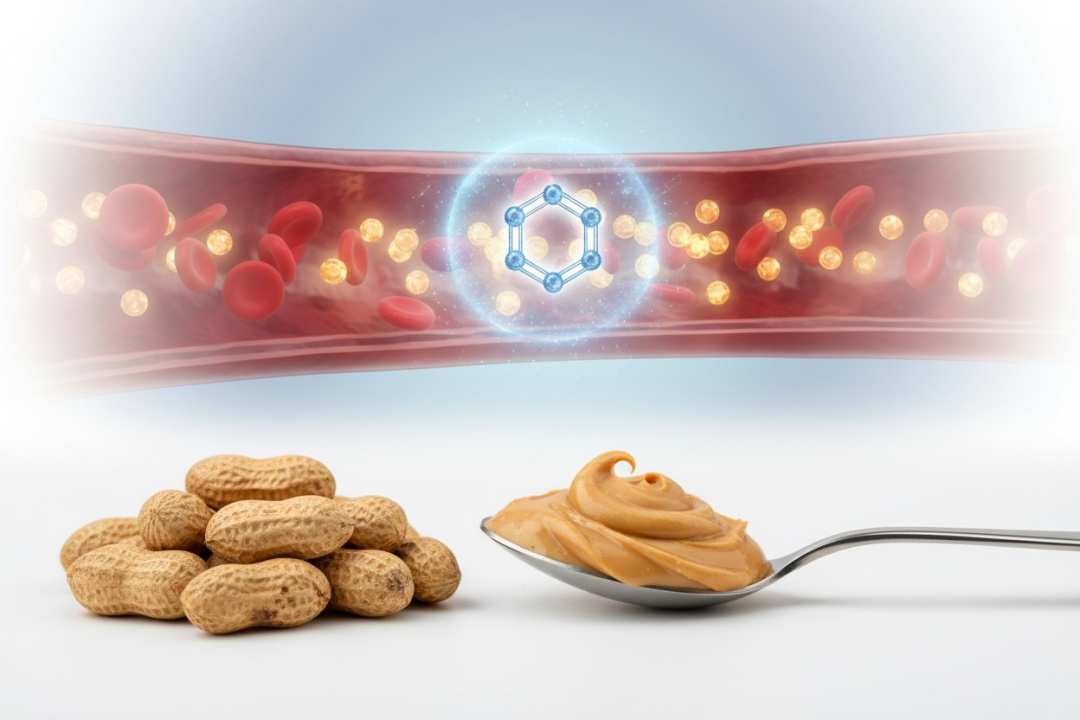
Recent research from the ARISTOTLE trial and the EPIC-Potsdam study indicates that regular peanut consumption may be associated with a lower risk of developing Type 2 diabetes. Th…
A recent statement from the American Heart Association highlights the unique aspects of kidney health in women, noting that chronic kidney disease often goes undiagnosed. Factors…
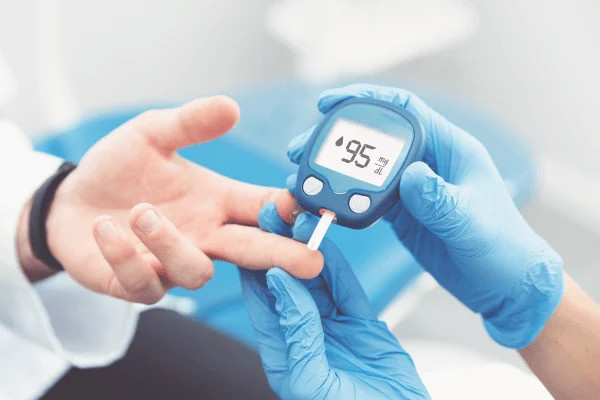
Recent research suggests that daily consumption of peanuts or peanut butter may be associated with a reduced risk of developing type-2 diabetes. A controlled trial indicated signi…
PNOĒ, a startup based in Malden, Massachusetts, is set to launch its new self-serve breath-testing mask on October 1. This device allows users to measure their VO₂ max and other m…
A recent review examines the effects of GLP-1 medications, particularly semaglutide, on muscle health in postmenopausal women. While these medications can aid in weight loss, they…
A recent clinical trial published in Menopause examined the impact of vitamin D3 supplementation on metabolic health in women aged 50 to 65. The study found significant changes in…
A recent study highlights that having both excess body fat and low muscle mass increases the risk of developing Type 2 diabetes by over 3.5 times. This finding underscores the imp…
Sarcopenia, or age-related muscle loss, affects many adults, particularly those over 40, leading to significant declines in muscle mass and strength. This condition can be detecte…

 Breathing.Food